
Thermal lamination film storage should follow the instructions for the exact film grade, protect the roll from physical damage and contamination, and preserve its identity until the last usable metre. Before loading a stored roll, check packaging, roll ends, core condition and the route from storage to production. A warehouse label alone cannot establish that a film is ready to run. This guide sets out a receiving, storage and release workflow for sheet-fed converting operations, without assigning one temperature range, shelf life or storage orientation to every thermal film.
Start with the exact film specification
A purchasing description such as gloss thermal film is insufficient for storage control. Record the supplier, grade, base polymer, adhesive system, finish, width, thickness, core specification and manufacturing or delivery identification. Keep the technical data sheet and relevant safety data sheet associated with that identity. Instructions for a pressure-sensitive graphic laminate or a metallized speciality film should not be transferred automatically to another product.
Ask the supplier to clarify whether its shelf-life statement starts at manufacture, shipment or receipt. Also ask whether the limit assumes sealed packaging and whether an opened roll has different handling instructions. If a document contains inconsistent units or ranges, obtain a written correction rather than selecting whichever figure is easiest for the warehouse to meet. These details establish the conditions against which a storage excursion can be assessed.
The Mag Data film storage guidance connects original packaging, careful handling and protection of roll surfaces with subsequent converting performance. Its recommendations are supplier guidance for the materials it supplies, rather than a universal specification for every film. Apply that same distinction whenever instructions are incorporated into a local warehouse procedure.
Inspect incoming rolls before accepting them
Photograph the package and roll label before unpacking. Look for wet packaging, punctures, crushed corners, an exposed film edge, displaced layers and damage to the core. Compare the roll identity and quantity with the purchase order. A delivery can contain the correct nominal width while still carrying a different finish or adhesive grade. Resolve identity differences before the roll is placed in the available-stock area.
Do not remove several layers merely to make an incoming roll look acceptable. That destroys useful evidence about where damage began. Separate visibly affected material and record the observation. A receiving inspection should identify an issue and assign a decision owner; it should not silently convert a damaged delivery into ordinary stock. Seek the supplier’s assessment when the effect on the usable web is uncertain.
Check lifting and unloading arrangements before moving a heavy roll. Use equipment rated and configured for its actual weight and dimensions. Do not use an improvised shaft, a damaged pallet or packaging straps as an assumed lifting point. The receiving record should also show how the roll was supported, because damage may occur between delivery inspection and storage.
Choose storage support from the supplier’s instructions
There is no safe reason to prescribe one orientation for every roll construction. Use the film supplier’s approved packing arrangement and the rack or handling equipment instructions. The objective is to avoid loading a vulnerable edge, crushing the core or deforming the wound surface. A roll that is stable on its delivery pallet may need a different approved support after its packaging has been opened.
Keep stock away from direct heat, strong sunlight, leaks, dust-generating work and chemicals that could contaminate the surface or packaging. Maintain clear locations so a returned partial roll is not balanced against unopened stock. Identify maximum rack loads and make damaged supports unavailable. Good location control also reduces unnecessary moves, which can otherwise expose a roll to repeated handling damage.
Monitor the conditions where the rolls actually sit. A sensor beside the warehouse door may not describe the upper rack near a heater. When readings move outside the supplier’s conditions, record the time, location and affected lots. An excursion is a reason for assessment, rather than automatic proof that every roll has failed or that none has been affected.
Release stored film through a clear decision table
The following table is a practical inspection sequence, not a substitute for a film specification. Its handling principles are consistent with the supplier guidance linked above. Physical acceptance limits, storage conditions and permissible rework must come from the exact product documentation and an agreed quality procedure.
| Observation | Record before moving the roll | Release decision |
|---|---|---|
| Unreadable or conflicting identity | Package photographs, delivery reference and available labels | Hold until grade and traceability are confirmed |
| Wet or punctured packaging | Affected face, extent and nearby storage conditions | Segregate and obtain a material assessment |
| Crushed core or displaced layers | Core photographs and handling history | Do not mount until safe fit and usable condition are confirmed |
| Unopened roll within documented conditions | Lot, location and document revision | Release through normal incoming inspection |
| Part-used roll returned from production | Remaining quantity, opening date and exposed condition | Rewrap, identify and assess under the opened-roll procedure |
| Recorded storage excursion | Duration, measured conditions and affected lots | Request a documented supplier or quality disposition |
Use a visible hold status in the stock system and on the physical roll. Otherwise a production operator may select held material while the inspection photographs are still being reviewed. Name the person authorized to change that status. This prevents a busy shift from treating a missing decision as permission to use the material.
Manage transfer from warehouse to press
A film roll and a paper pile do not necessarily respond to a change of environment in the same way. Establish any conditioning requirement with the respective suppliers. Do not invent a fixed waiting time from the roll’s outside temperature or from the time required for a different paper grade. Keep the packaging closed where the film supplier requires that during transfer or conditioning.
Schedule material movement early enough that operators are not forced to choose between an unassessed roll and a missed delivery. Record where the roll waited and when it became available. If the film was moved through a wet loading area or left beside an operating heat source, add that event to its history. A correct storage room does not cancel a poor transfer route.
Bring only the film required for the planned job to the press area. Keep spare rolls protected rather than leaving them beside the machine for several days. This makes it easier to distinguish warehouse exposure from exposure during production, and reduces the chance of an unlabelled remainder being loaded into the next job.
Verify a stored roll with a controlled trial
Use a known paper and print condition when evaluating a suspect film. Record the job, film lot, machine configuration and approved operating settings. Compare the suspect roll with a known acceptable roll where that comparison is safe and practical. Change only the material under investigation. Simultaneously altering heat, pressure, tension and paper condition makes the result difficult to interpret.
Inspect across the sheet width and along a sequence of sheets. Record appearance, handling, adhesion assessment and the agreed downstream checks. Preserve identified samples from the beginning and later part of the trial. A first sheet can miss an intermittent damaged section, while a single photograph may not distinguish a surface mark from a bonding problem.
If the result is poor, follow the broader thermal lamination troubleshooting guide to separate material condition from press setup. Examine lamination silvering and lamination curl as distinct symptoms. Neither proves that warehouse conditions caused the defect. Keep the storage history as one part of the evidence.
Return partial rolls without losing their history
Record the remaining quantity using the method approved for that stock system. Retain the original grade and lot identification; add the opening date, job reference and any observed damage. Protect the film with packaging approved by its supplier. Rewrapping should preserve cleanliness rather than introduce adhesive tape, dust or incompatible contact materials onto the usable film surface.
Give partial rolls a defined location and review them before ordering new stock. Stock rotation should take account of the supplier’s usable-life conditions, not merely arrival order. A recently received old lot can need attention before an earlier delivery. Never merge unidentified remnants under a generic label simply because their widths match.
When a partial roll is rejected, record the reason separately from normal setup waste. This reveals whether losses arise from purchasing, transport, storage, changeovers or an unsuitable packaging method. That information is more useful than a single monthly film-waste total, and helps purchasing and production agree a practical order quantity.
Match the workflow to the laminating equipment
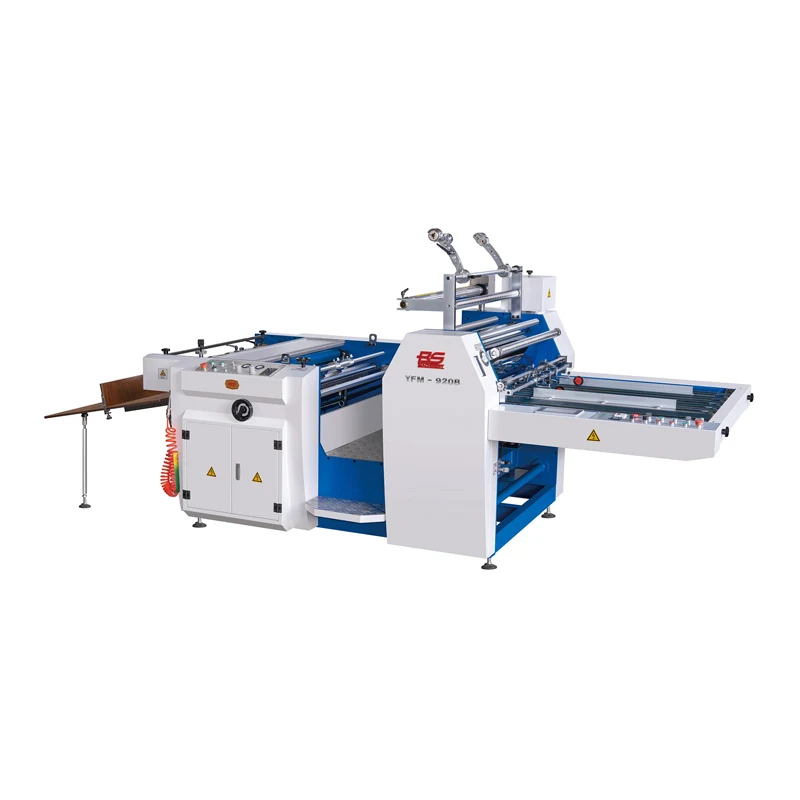
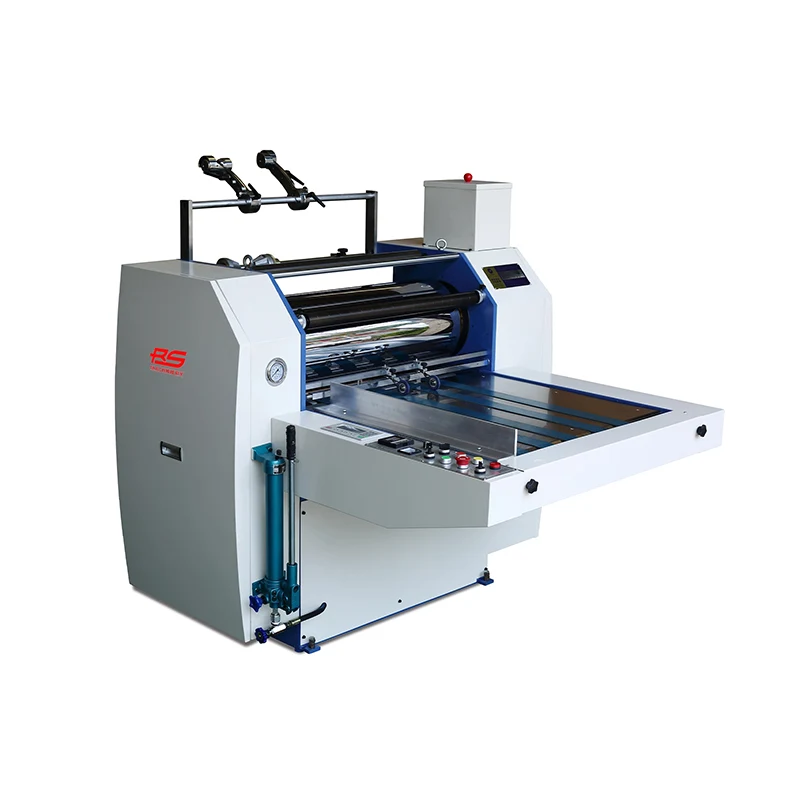
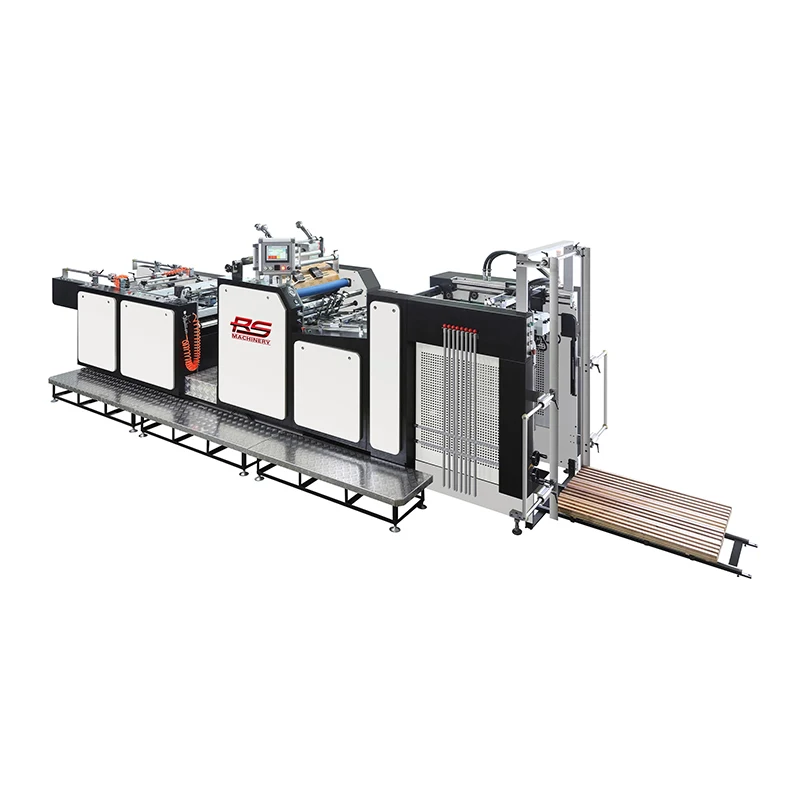
Realstar’s YFM-A automatic thermal lamination machine is a relevant equipment reference for discussing roll handling and trial requirements. The alternative laminators shown here illustrate separate machine configurations. Their photographs do not establish identical film compatibility, roll limits or unloading arrangements. Confirm those details for the selected model and proposed film before ordering.
For an enquiry, provide the film specification, roll width and diameter, core details, roll weight, paper range and intended sheet size. Include how rolls will be lifted and where they will wait before loading. Ask what checks the supplier expects before startup and what sample evidence is needed if a stored roll produces a fault. This connects warehouse planning to the actual production route.
Maintenance or jam clearing can expose hazardous rollers and stored energy. The HSE work-equipment maintenance guidance explains the need to plan maintenance and isolate hazards. Use the machine’s documented safe procedure; do not reach into a running machine to investigate a roll or remove contaminated film.
The following WorkSafeBC educational video explains manufacturing guarding and lockout responsibilities. It supports the safe-intervention part of the workflow and does not provide film storage limits or a Realstar operating procedure.
WorkSafeBC: guards and lockout in manufacturing.
Frequently asked questions
Is there one correct storage temperature for all thermal films?
No. Use the current instructions for the exact grade, including any different conditions for opened rolls. Obtain clarification when documents conflict. A figure quoted for another laminate does not establish acceptance for the roll being purchased.
Can an old but unopened roll be used?
An unopened package alone does not establish usability. Check the supplier’s shelf-life basis, recorded storage conditions, package integrity and agreed trial requirements. Hold material with uncertain identity or history until an authorized assessment is recorded.
Does a good trial prove storage can be ignored?
No. A trial checks the sampled material under its recorded conditions. It does not establish the condition of every metre or remove the need for traceable storage, protected handling and inspection of later sections of the roll.