
Thermal lamination curl should be investigated by comparing the unlaminated sheet with marked laminated samples, then separating material condition, film tension and cooling effects. A sheet that looks acceptable while warm may lift at an edge after cooling or cause misfeeds at the next operation. Record when the movement appears before changing a setting. There is no universal temperature, brake position or acceptable edge lift for every paper and film combination. Use the approved material specifications, machine instructions and downstream requirements to define a controlled trial. The objective is a stable finished sheet with an acceptable bond, rather than flatness achieved by sacrificing adhesion.
Define the defect before touching the controls
Describe whether the whole sheet curves, opposing corners lift, or only an edge turns upward. Mark the printed face, film face, leading edge and machine direction on retained samples. A photograph without orientation makes later comparisons difficult. Record sheet dimensions and where the sample came from across the delivery pile. Keep defective and acceptable samples from the same job separate and identifiable.
Check whether the incoming stock already has the same distortion. Compare sheets from the top and protected interior of a pallet using the agreed conditioning method. If the paper arrives curved, the laminator is receiving a problem rather than necessarily creating one. Also distinguish curl from wrinkles, bubbles and a cloudy adhesive interface. Those defects may coexist but require different evidence. The broader thermal lamination troubleshooting guide helps classify those separate symptoms before the curl trial begins.
Understand the limits of general explanations
A PSTC technical paper on moisture and curl explains how unequal dimensional changes in paper-based laminated structures can produce curvature. That mechanism is useful background, but the paper discusses label converting and does not prescribe settings for every sheet-fed thermal laminator. Treat moisture, heat and tension as candidate explanations that need evidence on the actual construction.
For a job investigation, write down the substrate grade, paper lot, film type, film lot, printed coverage and elapsed time since printing. Confirm that the film and print surface are compatible using supplier guidance. A change in coating or ink system can matter even when the sheet size stays identical. Ask the material supplier what conditioning and bonding window applies; do not borrow a temperature from an unrelated product or assume that every film with the same thickness behaves alike.
Establish a repeatable baseline
Use the Realstar YFM-A automatic thermal lamination machine as a product reference for the process. Its current product page describes adjustable film release through an air expansion shaft and braking device, as well as heating, pressure and delivery functions. These features identify areas to document. They do not establish that a particular setting will correct your material.
Start from a previously approved recipe or the commissioning instructions for the installed machine. Record actual displayed conditions, operating speed, film roll identity and the relevant brake reference. Capture the warm sample and repeat the observation after the agreed cooling interval. Use a stable inspection surface and a consistent sample position. If measurement is required, define the instrument, support arrangement and reporting unit in the quality plan. The same inspection method must be used before and after each adjustment.
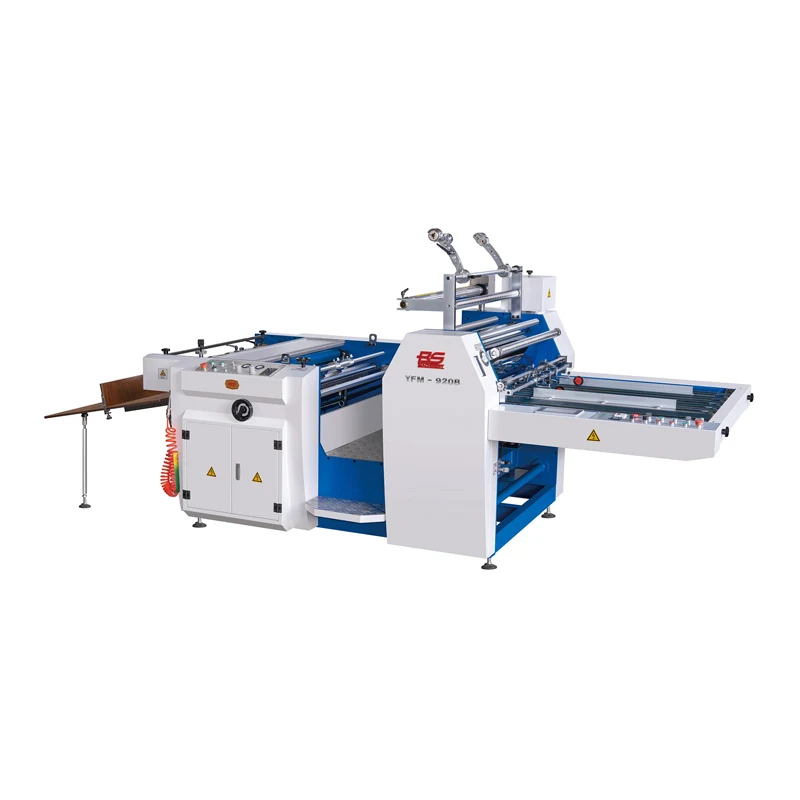
Separate observations with a trial matrix
The following table is a proposed investigation record, not a list of guaranteed causes. Use the material mechanism discussed by PSTC and the machine supplier’s instructions to decide which trial is appropriate. A single observation cannot establish a root cause.
| Observation | Evidence to retain | Controlled next step | Release question |
|---|---|---|---|
| Incoming sheets already curved | Marked unlaminated samples and pallet identity | Compare correctly conditioned stock from the same approved grade | Does the incoming condition meet the job requirement? |
| Curl appears immediately after lamination | Warm sample orientation and current recipe | Check film path and permitted tension references | Does a documented adjustment improve flatness without weakening the bond? |
| Curl changes while cooling | Matched warm and cooled observations | Standardize cooling and delivery handling | Is the finished sheet stable at the agreed inspection point? |
| Different behavior across a pile | Pile position and exposure history | Compare protected and exposed stock separately | Is material variation being mistaken for a setting problem? |
| Flat sheet fails at next operation | Feed behavior and finished-sheet measurements | Test the actual downstream process with retained samples | Does the approved laminate run without forcing or damage? |
Run a baseline repeat before an adjustment. If the repeat changes substantially without any deliberate intervention, the process is not stable enough to interpret a small setting change. Investigate roll handling, stock exposure or operating interruptions first. Label every trial with its sequence so that an improvement cannot be assigned to the wrong intervention.
Check film tension without creating a new defect
Inspect the film loading and threading against the installed machine instructions. A poorly mounted roll or inconsistent release can confuse a trial. Only qualified personnel should access adjustments that require guards to be opened or hazardous parts to be approached. Never reach toward an operating nip to feel film tension or attempt to guide the web by hand.
Where the supplier permits an operating adjustment, change one documented variable at a time within the approved range. Retain both the setting reference and the resulting samples. Do not translate brake knob position into a force value unless the machine provides a verified measurement. A tighter-looking film path is not proof of better control. Excessive correction can trade curl for wrinkles, tracking instability or a weak interface. If different operators describe the brake setting differently, agree on an unambiguous recording method before repeating the experiment.
Evaluate heat and speed as an interacting window
A displayed temperature alone does not describe the thermal exposure experienced by a moving sheet. Speed, contact conditions and the machine’s heating behavior all belong in the recipe. Ask the film supplier to define the applicable processing window, then investigate inside it. Avoid presenting one supplier’s activation guidance as a universal paperboard limit.
Check bond quality alongside flatness using the agreed method. A flatter sample that no longer meets adhesion requirements cannot be released. Compare results at a consistent point after production rather than inspecting one trial immediately and another much later. Record interruptions and restart conditions because they can make the first sheets differ from steady production. If heat-related changes improve one area while damaging printing or coating elsewhere, stop that direction and involve the material supplier instead of continuing to increase temperature.
Make cooling and delivery part of the investigation
Keep delivery handling consistent between trials. Record whether sheets are collected individually, piled, or rewound where the configured machine supports that route. Do not compare a freely cooling sample with one held under a heavy pile and call the difference a machine setting effect. Define when the sheet is inspected and whether it has been restrained.
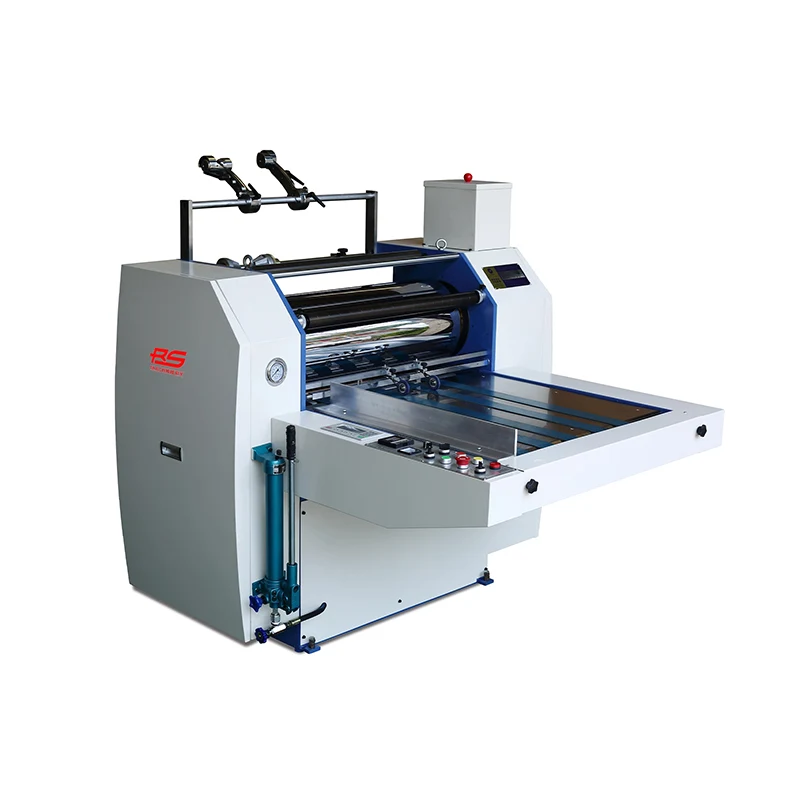
The illustrated YFM-M is a separate model with its own feeding and collection arrangement. It is not an accessory supplied with the YFM-A. Machine configuration matters when specifying delivery and inspection methods. Confirm the actual installed equipment before planning a test. For upstream handling, use the paperboard acclimatization guide to organize protected storage and release checks. Conditioning is a material control; it is not permission to improvise steam or water treatment on an installed laminating machine.
Protect the next process and the operator
Run approved samples through the actual next operation under its normal safe procedure. Observe reliable feeding, alignment and finished appearance. A sheet that passes a bench flatness check may still interfere with a feeder or registration device. Ask production and quality staff to agree which outcome governs release. Record any trimming or handling change because it may hide the symptom rather than remove the cause.
Maintenance must follow a planned safe system. HSE guidance on equipment maintenance addresses isolation and stored energy. Its safety principles support the need for controlled access; local legal requirements and the installed machine instructions still apply. The following WorkSafeBC educational video explains guards and lockout in manufacturing. It supports the maintenance section and does not demonstrate a curl correction or endorse a machine setting.
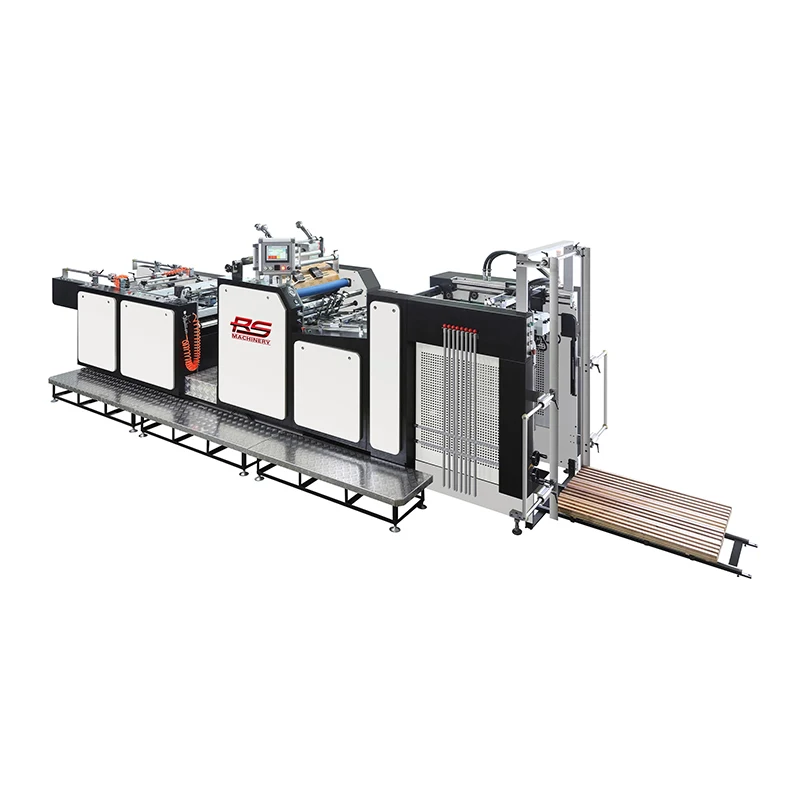
WorkSafeBC: guards and lockout in manufacturing.
Close the trial with a useful supplier record
Prepare a short evidence package with the material specifications, marked sample photographs, baseline recipe, intervention sequence and cooled-sheet results. Include the acceptance method and failed conditions. Keep a retained sample from the accepted production period so that the next run has a physical comparison, not just an operator’s recollection.
If curl occurs together with a milky interface, review thermal lamination silvering as a separate defect. Document which requirement failed and which checks passed. For purchasing, ask the machine supplier to review the actual film, sheet size and delivery requirement with representative samples. Do not turn a successful short trial into a claim that every substrate is qualified. Approve the demonstrated combination and record what changes require another trial.
Frequently asked questions
Should more pressure always remove thermal lamination curl?
No. Pressure is only one process variable, and curvature can involve the material construction, tension and thermal history. Use the supplier’s permitted settings and evaluate adhesion, appearance and cooled flatness together. Increasing pressure without evidence can create another defect.
When should flatness be measured?
Use the inspection point agreed for the actual downstream operation, with a consistent cooling and support method. Retain earlier observations to understand when the shape changes. Comparing samples at different ages or under different restraint makes the result difficult to interpret.
Can one accepted recipe cover every film roll?
Only if the approved specification and validation support that scope. Record film and paper identities and investigate meaningful changes in material or performance. A recipe is a controlled starting point, not proof that an untested construction will meet the same requirements.