
Thermal lamination silvering is a fine reflective or speckled appearance that should be investigated as an interface-quality problem before production settings are changed. Confirm the film system, inspect a labelled sample under agreed lighting and compare the defect with the unlaminated print. Then test only supplier-approved changes while recording material, operating condition and inspection timing. Do not transfer heat-assist settings for pressure-sensitive graphics film to a thermal film process. The same word can describe complaints from different adhesive systems, and an attractive surface does not by itself prove acceptable bonding or downstream performance.
Establish what the customer calls silvering
Request an accepted sample and an affected sample from the same job where possible. Identify the viewing distance, lighting and print areas that make the complaint visible. Photograph the sheet with a repeatable orientation and retain the physical sample. Dark solids can make a reflective interface easier to notice, but the presence of a dark image is not evidence that the ink itself caused the fault.
In its laminating problems technical bulletin, film supplier Mactac describes silvering as a reflective appearance associated with small trapped air pockets. Its application-specific numeric settings are not transferred to this thermal-film trial. Separate fine speckling from large blisters, wrinkles, contamination and an overall change in gloss. Mark where the complaint occurs across the sheet and whether it repeats along the run. Avoid putting every visible lamination fault into the silvering category. If the defect changes after storage, record the time and conditions rather than assuming that an initial improvement means the whole job can be released.
Confirm the adhesive system before using advice
Thermal film, glueless film and pressure-sensitive overlaminate do not share a universal process window. Record the exact product designation and obtain its current processing instructions. Ask which surface of the film is intended to bond, which printed materials have been qualified and what checks are required after processing. Instructions for a different adhesive should be treated as background information rather than a production recipe.
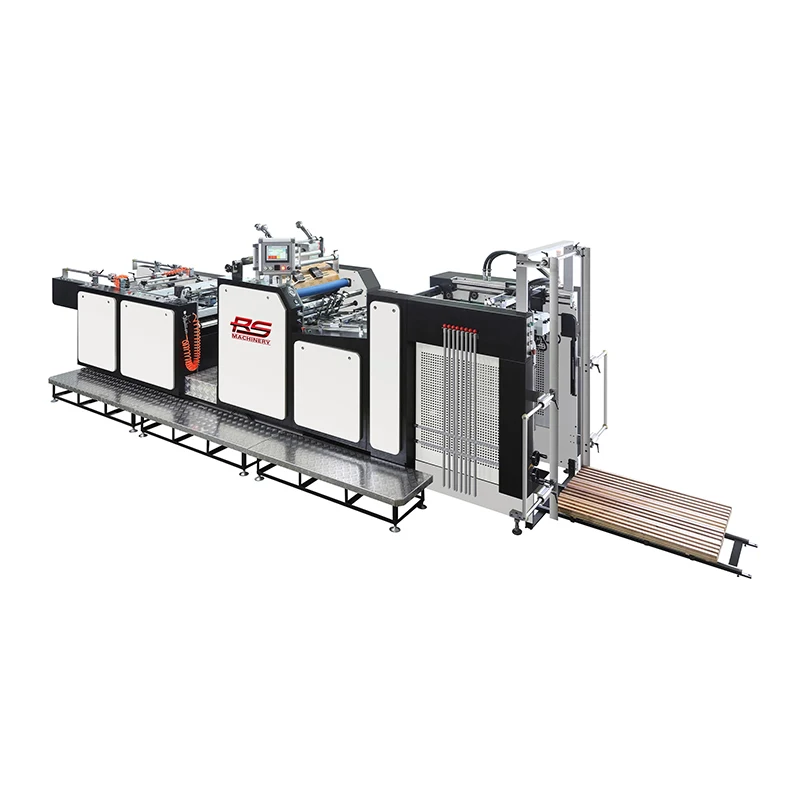
The Realstar YFM-A automatic thermal lamination machine page describes a machine family for thermal lamination applications. Confirm the supplied configuration and material compatibility directly with the supplier. The product name alone does not establish that every film, printing process or adhesive chemistry can be run, and this guide does not provide a universal operating temperature or pressure.
Build a material record that supports comparison
Identify the paper or board supplier, grade, batch, printing method, ink or toner system, coating and film batch. Retain unlaminated material so the surface can be compared with the finished result. Note storage history and any conditioning instructions provided by the material suppliers. Do not replace the test stock with a visually similar sheet and assume the result answers the original complaint.
Document what changed immediately before the fault appeared. A new film batch, different print coverage, revised sheet size or altered storage location may be relevant even when the machine settings appear unchanged. Record these as observations to investigate, not as proven causes. Keeping the material and process records together makes it possible to reproduce a trial and prevents an improvement from being credited to the wrong change.
Separate temperature indication from the qualified process
A displayed setpoint is one part of the operating record. Ask the equipment supplier how the relevant temperature is verified and how stability is assessed for the machine under review. Do not infer the temperature at the adhesive interface from a display without an approved method. Likewise, a claim that the machine has a heated roller does not establish the correct condition for a particular film and stock.
If a supplier authorizes a temperature trial, record the approved range, stabilization requirement and actual condition used. Maintain material identity and inspection method while making the change. Stop the trial if another unacceptable condition develops. Increasing heat until a reflective appearance disappears can create a different problem, so appearance must be judged together with the rest of the job’s agreed acceptance requirements.
Use a comparison sheet instead of a remembered setting
| Check area | Information to record | What the comparison can establish |
|---|---|---|
| Defect appearance | Marked locations and fixed lighting | Whether the same complaint is being compared |
| Film identity | Exact product and batch reference | Whether supplier instructions apply to the trial |
| Print surface | Stock, print system and coating identity | Whether a material change needs separate qualification |
| Operating condition | Approved settings and stabilization record | Which condition produced the retained sample |
| Inspection timing | Time after processing and storage condition | Whether samples were judged at comparable stages |
| Final acceptance | Appearance, agreed bond check and converting result | Whether visual improvement also satisfies the job |
Use the table to define a repeatable trial, not to calculate a universal cure. The Australian training unit Produce complex laminated product provides relevant production context for monitoring the process, identifying faults and checking quality. Its training requirements do not supply a film-specific setting or certify a particular machine.
Review contact and transport through the supplier
A defect concentrated in one lane deserves a different investigation from a uniform appearance across the sheet. Retain the position map and ask the supplier how the relevant contact and transport conditions should be checked. The objective is to establish which inspections are appropriate, not to instruct an operator to adjust protected assemblies. Keep the machine manual and the film instructions available during the review.
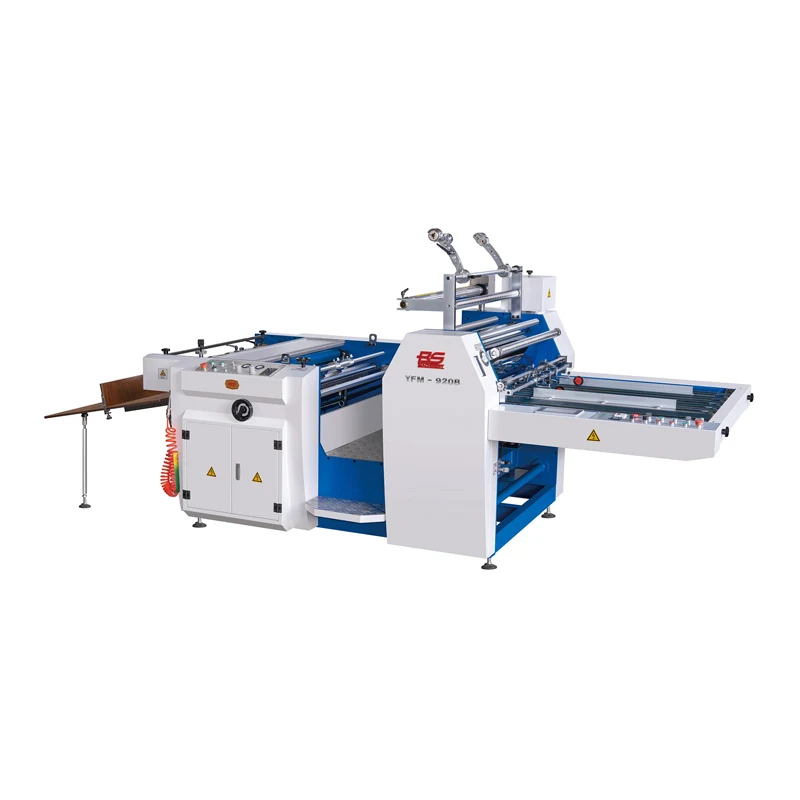
The photograph shows Realstar’s semi-automatic thermal lamination machine as a separate equipment option. It is not evidence that its controls or contact arrangement match those of the automatic machine. When comparing machines, require a trial on the actual job materials and the proposed configuration. A generic catalogue comparison cannot establish that a specific silvering complaint will be eliminated.
Keep safety checks separate from production adjustments
Do not touch heated rollers, reach through a nip or remove guards to look for the source of a mark. Inspection, cleaning and servicing must follow the supplied procedure and be carried out by authorized people. The NIOSH hazardous energy control guidance explains why servicing requires attention to multiple energy sources, including stored and thermal energy.
WorkSafeBC: guards and lockout in manufacturing.
A lower production speed is not permission to enter a hazardous area. Define which observations can be made from the normal operating position and which require the machine to be made safe. If a trial depends on removing a guard or bypassing protection, stop and have the supplier revise the method. Include the safe restart and restoration of protective devices in the trial record.
Avoid treating a film-tension change as an isolated cure
If a supplier proposes a tension adjustment, ask how the approved value is determined and what other quality checks must be repeated. Do not borrow a numeric setting from a different film width, machine or material family. Record the actual condition used and preserve a comparison sample. Any improvement should be evaluated for other surface changes and downstream behaviour before the job is released.
Speed changes also require careful comparison. Keep the trial within the qualified operating range and allow the process to reach the required stable condition. A sample taken during a transition may not represent the condition that will be used for the remainder of the run. Record when the sample was collected relative to the change so the supplier can interpret the result correctly.
Check appearance and bonding as separate decisions
Agree in advance how the customer will assess appearance and how bonding will be evaluated for the application. Do not introduce an unsupported peel-force threshold or a destructive test borrowed from another product. Obtain the applicable method from the responsible material supplier or customer, including specimen preparation and timing. Label test samples so the visual result can be connected to the corresponding process condition.
For a broader fault distinction, use the thermal lamination troubleshooting guide. Silvering should remain a narrower investigation within that process. A visually improved sample may still be unsuitable for the job if it fails an agreed bond check, curls excessively or behaves poorly during the next operation. Conversely, an acceptable bond does not automatically satisfy a premium appearance requirement.
Carry the accepted condition into downstream conversion
Retain sheets from the proposed accepted condition and test the actual downstream operation where it is relevant to the order. Identify the time between lamination and conversion, the orientation of the sheet and the evaluation method. Do not substitute a simplified hand sample for a production operation unless that method has been agreed as representative. Record any new defect separately from the original silvering complaint.
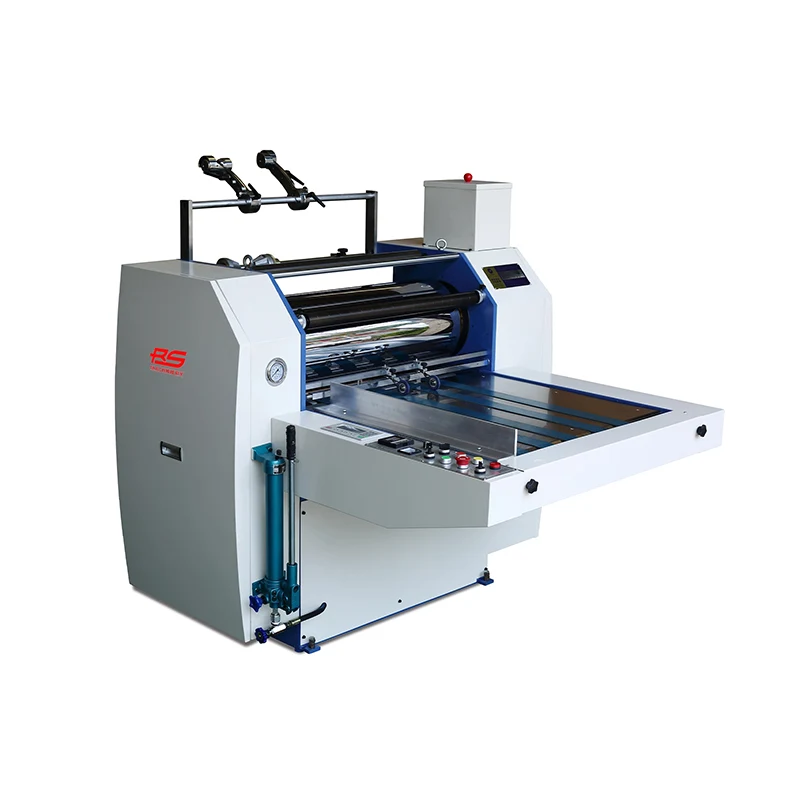
This is a separate Realstar thermal lamination model, included to make the equipment comparison explicit. Its photograph does not show the internal adhesive interface. If the job will be creased or cut, coordinate with the acceptance checks described in the paperboard crease cracking guide and the die cutting and stripping overview. Keep each process’s contribution traceable.
Define the supplier enquiry and release record
Send the supplier the exact material references, unlaminated and laminated samples, photographs under defined lighting, position map and recorded operating condition. State whether the issue is uniform, lane-specific, intermittent or associated with startup. Ask for the next approved comparison rather than requesting a single temperature that supposedly fixes all silvering. Require clear responsibilities for any inspection that involves maintenance access.
Once an acceptable condition is identified, record its material and configuration boundaries. Preserve the approved sample and define when the trial must be repeated, such as after a film, print system or substrate change. Include the inspection timing and the downstream result in the release record. This gives future shifts a reproducible basis for acceptance while avoiding an unsupported promise that one setting will work on every job.
Frequently asked questions
Should I always increase heat when I see silvering?
No. Confirm the adhesive system and obtain supplier-approved trial conditions first. Additional heat can introduce other defects and is not a universal remedy.
Can advice for pressure-sensitive film be used for thermal film?
Only when the responsible suppliers confirm that it applies. The adhesive systems and process requirements differ, so a heat-assist recommendation is not a thermal lamination recipe.
Does improved appearance prove that the lamination is accepted?
No. Apply the agreed appearance, bonding and downstream conversion checks to samples from the same documented condition before releasing production.