
Paper drill chip removal should start with a safe stop and the drill manufacturer’s maintenance instructions, not with extra force through a blocked tool. Identify where waste stops moving, check the approved bit and discharge arrangement, and restart only after an authorized person has restored the specified condition. A hollow paper drill is not a metal twist drill: advice about peck drilling, cutting oil or improvised clearing tools cannot automatically be transferred to it. This guide helps print finishers document recurring blockages and prepare a useful supplier investigation without treating a general checklist as a machine service procedure.
Separate a blocked bit from a damaged hole
A rough hole does not prove that waste is trapped inside the tool. Worn cutting edges, unsuitable backing, a poorly restrained stack and a mismatch between the tool and the job may also affect results. Begin by retaining samples that show the complaint. Identify the face of the stack, the hole position and when the problem appeared. Keep the last acceptable sample as a comparison rather than discarding it with the waste.
Record whether the problem is visible in every hole or only at one location, and whether it occurs immediately after startup or after a period of production. These observations help the supplier distinguish a persistent setup issue from a condition that develops during operation. Do not continue drilling to obtain a more dramatic failure. A machine alarm, a stalled movement or an abnormal condition should trigger the approved stopping procedure.
Map the intended waste path
Ask for the waste path drawing for the exact drill configuration. Establish where chips are intended to leave the hollow tool, where they are collected and which parts an operator is authorized to clean. Do not assume that every paper drill has the same extraction, discharge opening or collection arrangement. An accessory advertised for a manually operated drill may be unsuitable for a powered or hydraulic machine.
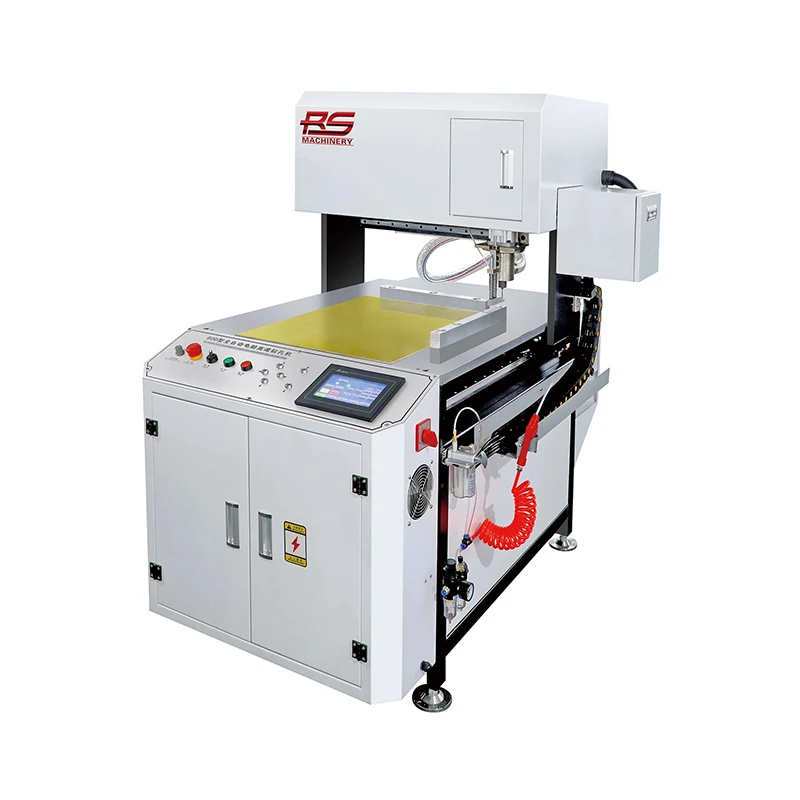
The Realstar CNC paper drilling machine is a relevant starting point for a printed-tag production discussion. Its public product page identifies programmed drilling, but that description does not establish a universal bit-clearing procedure. Request the supplied machine manual, compatible tool list and waste handling details before approving maintenance equipment or setting a cleaning interval.
Make intervention safe before inspecting waste
A control-panel stop is not a substitute for the site’s hazardous-energy procedure when a task requires isolation. The NIOSH hazardous energy control overview explains the importance of controlling hazardous energy during servicing and maintenance. Apply the machine-specific procedure through trained, authorized personnel. Consider stored energy and moving assemblies as well as the main electrical supply.
The HSE work-equipment maintenance guidance emphasizes planning maintenance and using competent people with the necessary information. Do not reach into a running drill, hold a cleaning rod against a moving bit or defeat an interlock to observe chips. Avoid placing fingers in the discharge path. Determine who may remove the tool, how the assembly is supported and what protective equipment the approved procedure requires. A useful troubleshooting record describes what was observed from a safe position and what an authorized technician found after isolation.
WorkSafeBC: guards and lockout in manufacturing.
Record the material before changing the machine
List the paper or board grade, supplier batch, printing process, coating, stack preparation and hole pattern. Keep the actual material available for a repeat test. A replacement sheet that looks similar may have a different surface or construction and may not reproduce the complaint. Separate material changes from tool changes so a successful restart can be interpreted correctly.
Record the actual stack condition used for the trial rather than relying on an estimated quantity of sheets. Ask the supplier which material descriptions and measurements are needed for the machine under review. The purpose is traceability, not creating an unsupported maximum thickness or speed. If a coating, adhesive layer or unusual stock is involved, obtain confirmation that both the tool and the machine are suitable before testing it.
| Observation | Evidence to retain | Question for the authorized supplier |
|---|---|---|
| Blockage appears at startup | Last shutdown record and first affected stack | Was the specified end-of-job cleaning completed? |
| Only one drill position is affected | Position-labelled samples and tool identity | Does that station have a tool or discharge-path issue? |
| Problem follows a stock change | Material batch and retained old stock | Is the tool appropriate for this construction? |
| Hole appearance worsens before stopping | Sequential samples and alarm log | Which inspection or tool-service checks are required? |
| Waste collects outside its expected route | Safe-position photograph and layout drawing | Is the collection arrangement complete and correctly installed? |
This table is an investigation aid. It does not diagnose the cause or authorize a particular repair. Use the maintenance manual and the technician’s findings to decide the next action.
Check tool identity and service history
Document the bit designation, supplied dimensions, fitting arrangement and service history. Verify that the replacement belongs to the approved tool family, not simply that its nominal hole diameter matches. Ask how cutting condition, tool length and mounting condition should be assessed. A tool that has been sharpened or repaired should have a traceable service record and remain within the manufacturer’s acceptance criteria.
Do not infer compatibility from an online photograph. Likewise, a commercial chip remover described for one drill style should not be purchased as an assumed fit for another. The relevant acceptance question is whether the tool maker and machine supplier approve its use on the actual assembly. Record that answer alongside the accessory reference so the same uncertainty does not return with the next shift.
Inspect the collection arrangement as a system
A clear bit alone does not prove that waste can leave the process. Have the authorized person check the downstream collection arrangement against the supplied drawing. Note missing containers, damaged connections, restricted access or a cleaning point that cannot be reached using the approved method. If extraction is supplied, use its specified inspection and service requirements; do not invent an airflow target from another machine.
Treat housekeeping as part of the planned process. Define who checks the collection condition, where collected material is placed and how the area is made ready for restart. Keep loose waste away from areas where it could interfere with transport or conceal a developing fault. Any changes to ducts, guards or collection containers should be assessed by the responsible supplier rather than improvised during production.
Keep pile preparation and drilling maintenance separate
A poorly prepared stack can complicate interpretation of a drilling complaint, even when the actual waste blockage has another cause. Check that the incoming pile is identified, supported and presented according to the job instructions. The photograph below illustrates a separate Realstar material-handling product; it is not a chip-removal accessory or a claim that this equipment is included with the drill.
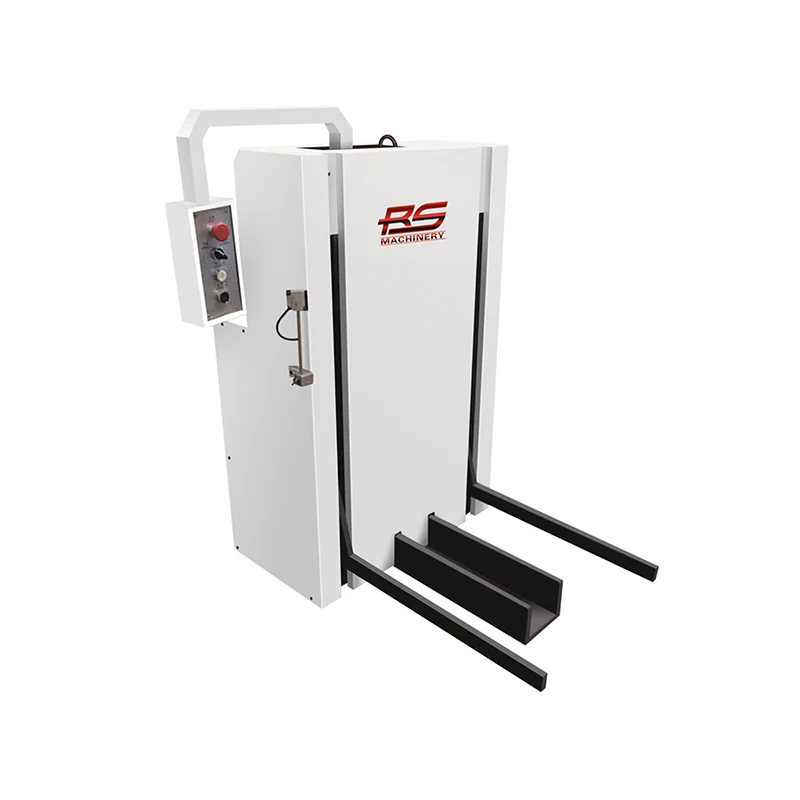
For upstream handling questions, compare the paper pile lifter selection guide. Establish an agreed handoff between pile preparation and drilling: job identity, orientation, accepted stack condition and any quarantined material. Keeping those checks separate prevents a successful handling change from being incorrectly recorded as a repair to the drill’s waste system.
Protect downstream finishing from uncertain material
Mark affected stacks and prevent them from mixing with accepted work. If drilled sheets move to cutting or another finishing operation, retain enough identity to connect a rejected hole with the original drilling condition. The related paper drilling hole accuracy checklist addresses positioning and acceptance, which should be checked separately from chip evacuation.
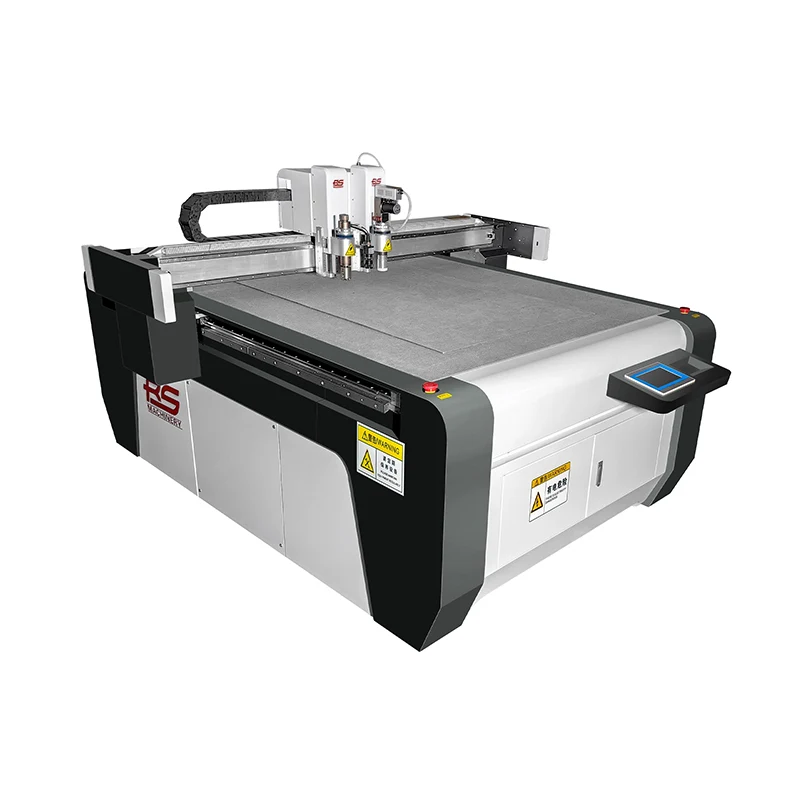
This Realstar die-cutting machine illustrates a separate downstream finishing stage. It is not shown as part of the drilling assembly. Decide whether suspect stacks need inspection before further conversion; do not assume that a later cut will remove or conceal every defect. A clear release decision avoids spending additional processing time on material whose drilling quality has not been accepted.
Run a controlled restart after the approved repair
Once the authorized person completes the required work, document what changed and who released the machine for operation. Restore guards and follow the prescribed restart checks. Use representative material and label the resulting samples. Record the operating condition actually tested, the collection condition after the trial and the inspection result; avoid describing the machine as permanently fixed after a single acceptable stack.
Compare the restart with the original complaint under comparable job conditions. If the problem returns, retain the new evidence and escalate it rather than repeating an increasingly forceful clearing method. A repeated blockage may require a deeper review of tooling, materials or the complete waste arrangement. Only extend production after the responsible person accepts the results and specifies any additional monitoring.
Build a shutdown record that the next shift can use
End-of-job work deserves the same traceability as startup. Record the approved cleaning task, tool condition, waste collection status and any unresolved complaint. Distinguish completed maintenance from a note that maintenance is needed. If the machine remains unavailable, identify the person responsible for release and the condition that must be met before the next job begins.
For broader production planning, the die cutting, stripping and blanking guide helps distinguish separate finishing stages. Keep the drilling record focused on its own material, tooling and waste path. A useful supplier enquiry includes photographs taken safely, labelled samples, the exact machine identity and the applicable manual revision. It should ask for a verified corrective procedure, not a universal speed or lubricant recommendation.
Questions to settle before accepting a supplier trial
Request a trial using the proposed production stock and hole pattern, with the agreed tooling and waste collection arrangement identified in advance. Ask the supplier to demonstrate the authorized inspection and shutdown tasks as well as acceptable hole quality. Document operator access, replacement consumables and responsibility for service. A clean short demonstration without these details may leave recurring blockage questions unanswered.
Ask the supplier to explain what evidence would trigger tool service, a collection-system check or an immediate stop. Require the answer in a form that can be incorporated into training and the production record. This turns a complaint about “chips getting stuck” into a defined acceptance process while preserving the distinction between production observations and maintenance work.
Frequently asked questions
Can I use a generic rod to clear a paper drill bit?
Use only the method and accessory approved for the exact machine and tool. A remover advertised for a manual drill is not automatically suitable for a powered drilling assembly.
Does a rough hole always mean that chips are blocked?
No. Preserve labelled samples and review tooling, material, stack preparation and the intended waste path. Several different conditions can affect hole appearance.
What should I send with a recurring blockage enquiry?
Send the machine and tool identities, material batch, hole pattern, timing of the complaint, labelled samples, alarm record and maintenance history. Include only photographs obtained safely.