
Hot foil stamping registration is the alignment of the stamped image with the printed design, sheet geometry or another finishing operation. Diagnose a register problem by measuring a marked sequence of sheets against the same reference, then separating constant offset, rotation, size mismatch and changing position. Correcting heat or pressure before identifying that pattern can improve foil coverage while leaving alignment wrong. This guide proposes a practical investigation for printed paper and board. It does not assign a universal registration tolerance or claim that a particular machine can correct every incoming print variation.
Define the reference before moving the die
A logo that looks displaced against the sheet edge may still align with its printed border. Conversely, a foil image centered on the sheet can be visibly wrong against the print. The job drawing must identify the controlling reference. Ask whether the customer approves foil to print, foil to cutting, foil to embossing, or a combination. Include the most visually sensitive element rather than checking only a large background shape.
Keep an approved artwork revision and a physical reference beside the inspection station. Mark the intended feed edge, side reference and sheet orientation on a retained setup sheet. If the customer supplies only an attractive mockup, request an inspection drawing that identifies what will actually be measured. A mockup is useful for appearance, but it cannot establish the achievable variation of a real printed and converted sheet.
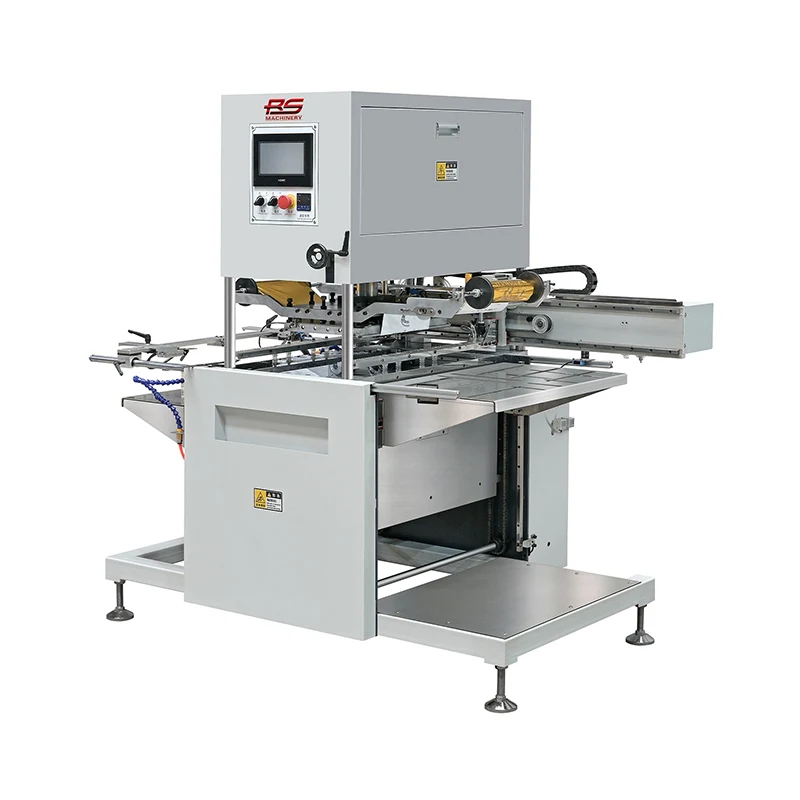
The Realstar TYMB hot foil stamping and die-cutting machine provides a relevant equipment starting point. Its product page is not a signed guarantee of registration on your artwork. Confirm the ordered configuration, sheet referencing arrangement and acceptance method with the supplier using actual production materials.
Measure a pattern rather than one attractive sheet
Collect a consecutive sequence and number every sample in order. Select repeatable locations near and far from the sheet references. Measure the foil position relative to the same printed features at each location. Record horizontal and vertical displacement separately, including direction. Keep inspection magnification and lighting consistent so a ragged foil edge is not mistaken for a shifted image.
Also measure the incoming printed sheets before stamping. If print position changes relative to the sheet edges, a finishing process that references those edges encounters a moving target. If the artwork itself changes size between samples, shifting the die cannot make every point align. Mark these as incoming findings rather than immediately attributing the whole problem to the stamping press.
PostPress discusses the distinction between digital print registration and conventional sheet referencing in its foil stamping troubleshooting discussion. That distinction supports checking the print-to-sheet relationship first; it does not establish the capability of a Realstar registration system.
Classify the error before choosing a trial
Use the following decision sheet as an investigation aid. These are proposed observations and checks, not a machine adjustment procedure or a substitute for the operating manual. Stop the machine and apply the required safe working procedure before accessing any guarded part.
| Observed pattern | What to compare next | Evidence to retain |
|---|---|---|
| Similar displacement at all inspection locations | Artwork origin, die position and sheet reference against the approved setup | Marked sheet with horizontal and vertical offsets |
| Opposite displacement across the sheet | Orientation, skew and repeatability of sheet presentation | Measurements at separated corners |
| Good alignment near one reference, increasing mismatch farther away | Incoming print dimensions and sheet condition | Print measurements before and after finishing |
| Alternating or irregular positions | Consecutive sheet presentation and incoming print variation | Numbered sequence including acceptable and rejected sheets |
| Position changes after a stop or replenishment | Restart conditions, stack identity and documented settings | Samples before stop and after restart |
Do not turn this table into a list of simultaneous adjustments. Choose the branch supported by your measurements, state the expected outcome and change one approved condition. If the expected change does not appear, return to the evidence rather than increasing the size of the adjustment.
Separate sheet geometry from foil transfer
Check sheet squareness, edge damage, curl and consistency of the stack. Record which edge was used during printing and which is used during finishing. A damaged or inconsistent reference edge deserves investigation even if the average sheet dimensions look correct. Compare sheets from different positions in the pallet and retain their identities instead of mixing them into an anonymous trial pile.
For material preparation, use the separate paperboard acclimatization guide where applicable. Verify its job-specific recommendations against the paper supplier’s guidance. Do not impose an arbitrary waiting period or humidity setting on every paper grade. Registration work needs stable, traceable material, and any conditioning decision belongs in the production record.
Foil coverage defects require a different observation. Incomplete transfer can make one edge appear narrower, giving the impression that the whole image has moved. Inspect recognizable geometric points and compare their centers or agreed reference edges. Record transfer quality separately so a coverage improvement is not automatically accepted as a registration correction.
Check the artwork and die relationship
Confirm that the foil artwork and printed artwork use the same revision, scale and orientation. Check whether any imposed layouts, step-and-repeat positions or last-minute file changes differ. A mismatch that repeats identically on every sheet can originate before the press. Establish that the approved die image matches the current print before investing in repeated machine trials.
A transparent overlay or a clearly marked inspection image can help communicate where the mismatch occurs. It should show the reference features and measurement points, not just a circle around a defect. Record whether all repeats behave alike. If one repeat differs while neighboring repeats remain acceptable, identify that local condition before changing a setting affecting the entire sheet.
Do not modify or remount tooling using improvised methods. Tooling and mounting changes require the manufacturer’s instructions and competent personnel. Preserve the last approved setup record so a failed experiment can be reversed deliberately rather than reconstructed from memory.
Verify a stable setup at the intended production condition
First obtain an approved baseline with the specified stock, foil and artwork. Then investigate the operating conditions the order will actually encounter. A few good startup sheets do not prove that position remains acceptable after warming, replenishing the feeder or stopping for a normal interruption. Include those events in a planned trial and mark the resulting samples.
PostPress also discusses sheet condition and distance from the sheet guides in its clamshell setup article. Use that discussion to frame an inspection of the whole image area. The detailed setup practices in that article concern its own press context and should not be copied to a different machine without approval.
Record the actual settings and conditions associated with each sample group. Include the machine identity, tooling identification, stock batch, foil grade and operator. If a trial uses a lower operating rate, label that limitation. The purchase decision should reflect the rate and material combination that passed, rather than a separate maximum speed printed in a brochure.
Keep registration and other approval checks separate
A registered image can still fail adhesion, appearance or downstream handling. A clean foil image can also fail register. Maintain separate pass or fail entries for each requirement. Use the existing hot foil stamping defect guide to investigate transfer problems and the hot foil stamping makeready checklist to organize setup evidence.
When another finishing operation follows, inspect alignment after that stage as well. Identify which process introduced the first unacceptable result. If the stamped sheet passes but the cut or folded piece fails, retain both stages. Moving the foil image to compensate for an unstable later operation can conceal the original fault and create new variation when the later operation returns to its normal position.
Make safe access part of the investigation
Never reach into a moving or energized press to observe a guide, clear a sheet or touch the die. Follow the site’s isolation procedure, address stored energy and allow hot components to cool as required. The HSE machinery maintenance guidance explains why maintenance needs planned access and control of energy sources. Local requirements and the machine manual determine the actual safe procedure.
The following WorkSafeBC educational video addresses guarding and lockout in manufacturing. It supports the safety portion of the investigation and does not teach model-specific stamping adjustments. Watch it as supplementary training, with the site’s competent supervisor responsible for the working procedure.
WorkSafeBC: guards and lockout in manufacturing.
Give the supplier a useful registration enquiry
Send the printed stock specification, production sheets, artwork revision, die details, required relationship between features and the inspection drawing. Include measured error patterns, not merely a statement that precision is poor. Ask which referencing arrangement is included, what material variation it can accommodate and how performance will be demonstrated on the proposed order.
Define the acceptance sequence before the demonstration. Agree sampling across startup, stable running, stack changes and restart. Record rejects and adjustments as well as acceptable samples. Retain signed reference pieces and the measured results with the machine configuration. This creates a usable production handover and makes later changes in stock or artwork easier to evaluate.
FAQ
Is there one acceptable hot foil registration tolerance?
No universal value is established by this guide. Agree a measurable tolerance with the customer and equipment supplier for the artwork, substrate, reference features and inspection method. Verify it on production-representative samples.
Should temperature be changed first when the foil image is displaced?
First distinguish geometric displacement from incomplete transfer. Measure the same features on consecutive sheets and check the incoming print reference. Temperature changes should follow the approved foil and machine procedure when transfer evidence supports them.
Can an automatic machine correct inconsistent incoming print position?
That depends on the actual referencing system and the type of variation. Do not assume correction from the word automatic. Provide marked sheets and require a demonstration of the ordered configuration against the agreed acceptance drawing.