
Paper plate forming wrinkles need to be judged by their location, severity and effect on the agreed finished plate. A regular formed rim is different from an uneven fold, a crack or a coating defect. Before changing machine settings, identify the paper construction, blank, mould and station, then compare samples under repeatable conditions. This guide explains how to organize that investigation and a supplier trial. It does not prescribe universal moisture, temperature or pressure settings, and research on other paperboard forming processes must not be treated as a recipe for a particular plate machine.
Define an acceptable rim and plate
Start with an approved reference plate and its intended use. Record which appearance features matter to the customer and which conditions are unacceptable. Distinguish a shallow repeated texture from a pronounced fold, split, uneven flange or distortion. A broad instruction such as no wrinkles can create disagreement if the agreed forming design includes a visible compressed pattern.
Describe the whole product, including diameter or outline, usable area, rim shape, stacking and separation. A plate that looks attractive in one photograph may fail an agreed handling or end-use check. Conversely, a texture may be acceptable if it matches the approved design and does not compromise the required performance.
Make the comparison method explicit. Use the same viewing conditions and sample orientation, and mark the location of each concern. Retain physical examples where possible. Do not claim that appearance alone establishes coating integrity or suitability for food contact; those are separate requirements for the complete material construction and intended market.
Identify the exact material and blank
Record the stock supplier, grade, batch, thickness or other supplied material specification, coating construction and printed side. Include the blank outline and its orientation where known. Samples described only as paperboard may represent substantially different constructions. A trial becomes difficult to interpret if the material changes without being recorded.
Check how the stock was stored and presented to production. Note packaging condition, exposure history and any visible curl or damage. Do not assume that material from the top of an open pile represents the whole delivery. Keep incoming samples separate from formed pieces so later inspection can identify which differences were already present.
The BioResources study on blank moisturisation found that moisture distribution and forming arrangement affected results in tested paperboard tray processes. That supports recording material condition. It does not support a universal instruction to wet every plate blank or copy the paper’s experimental settings onto this machine.
Confirm the machine and mould arrangement
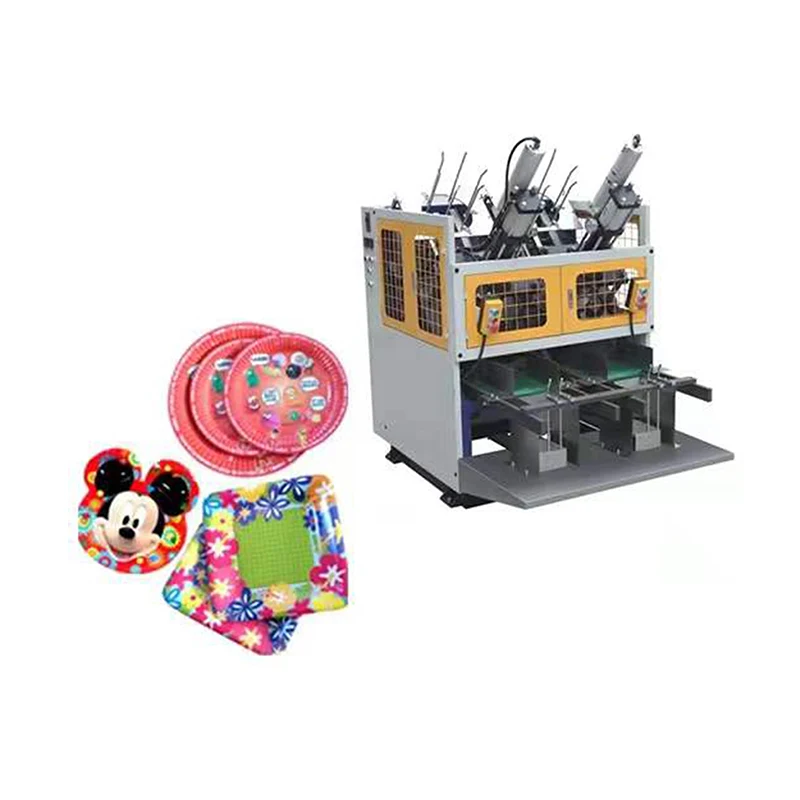
Realstar’s paper plate machine page describes a forming workflow that includes feeding, heating, forming and delivery, and discusses a two-position arrangement. The page contains different model descriptions. Ask Realstar to identify the exact offered machine, moulds and configuration in its quotation and trial documents before relying on a specific feature or rating.
Identify which station and mould produced each sample. If two positions are involved, do not mix their output in the investigation pile. A combined average can hide a repeatable issue on one side. Photograph the sample with its station identity and keep the corresponding setup record.
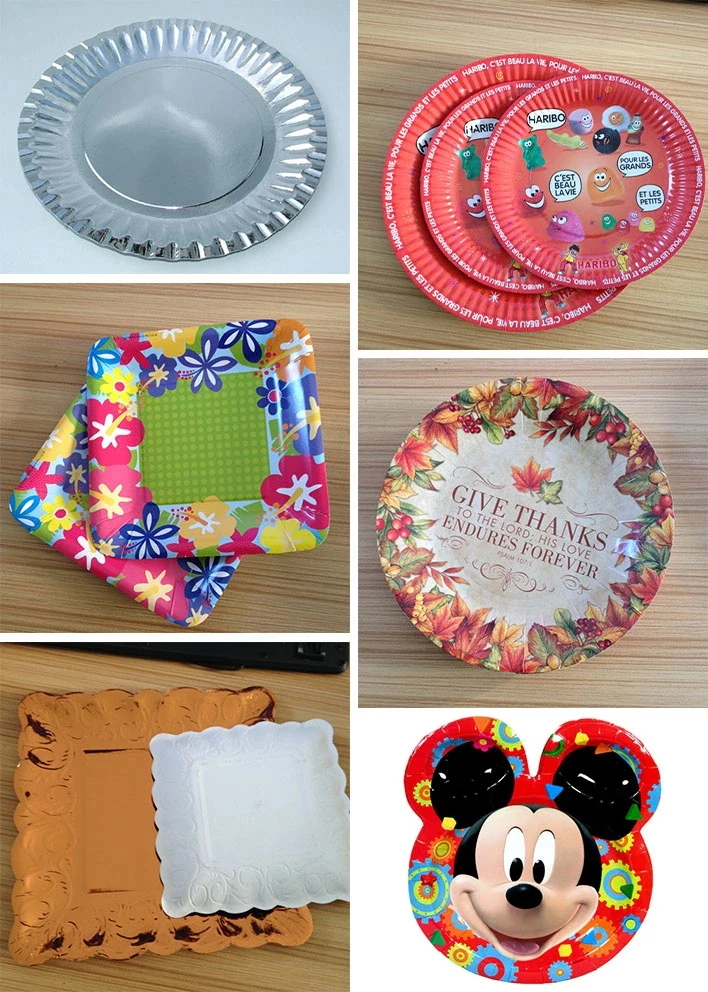
The website sample image illustrates the product page’s example output. It is not a measured acceptance specimen for the buyer’s material or design. Use it to discuss the proposed plate shape, then establish actual approval with identified trial pieces and written criteria. A website photograph cannot establish the production capability of an unconfirmed configuration.
Understand the limits of forming research
Paperboard forming involves material and tooling interactions, and research examines several different methods. The BioResources review of paper and paperboard deep drawing discusses wrinkling, cracking and shape stability in that broader field. Use those categories to describe an observation, not to assert that a particular defect has one proven cause on a plate machine.
An operating change that helps in a laboratory configuration may not transfer to another coated material, blank geometry or forming arrangement. Therefore, give the supplier the observed defect and material evidence, and request a trial within the approved machine and stock limits. Avoid advice that simply says to increase heat or add moisture without identifying what is being processed.
Keep two questions separate: what changed in the trial, and what caused the original defect? An improvement after a documented change is useful evidence for that tested condition. A general causal claim requires more support. Clear records allow an effective local decision without exaggerating what a small trial proves.
Classify defects before making adjustments
Use a location map of the plate. Mark the center, transition area, rim and any repeated positions around the outline. Compare whether a feature appears consistently at one location, varies around the rim or occurs only on occasional pieces. Record differences between stations and material batches.
The worksheet below is an investigation aid. The observations do not diagnose the cause by themselves, and the suggested next evidence is deliberately a check rather than an unverified setting change.
| Observed feature | Evidence to collect | Question for the controlled trial |
|---|---|---|
| Uneven fold at a repeated location | Marked location, blank orientation and station identity | Does the feature follow the same position under unchanged conditions? |
| Different appearance between stations | Separate samples and confirmed mould identities | Are both positions processing the same approved construction and setup? |
| Visible split or crack | Incoming blank plus formed sample and close-up | At what stage does damage first appear? |
| Coating disturbance | Material specification and identified surface samples | What separate surface-integrity check is required by the application? |
| Plate distortion after delivery | Samples examined at agreed intervals | Does shape change between forming, cooling, stacking and inspection? |
| Difficult separation in a stack | Agreed stack and packing conditions | Is the finished product usable under the specified handling method? |
Keep rejected samples rather than sorting away the evidence. If the trial stops, preserve the last accepted and first rejected pieces with their identities. This helps the supplier distinguish a gradual change from an isolated event and prevents the next trial from starting with an incomplete account.
Change one approved condition at a time
Start from a documented baseline that the supplier and site have agreed is suitable for testing. Record the material, blank, mould, station and actual observations. Ask authorized personnel to make changes within the delivered instructions and approved range. Do not exceed material or equipment limits to force an attractive sample.
Keep unchanged factors stable while evaluating a change. If stock, mould and operating conditions all change together, a better plate cannot show which difference mattered. Retain both sets and record the time and reason for the change. Where the trial cannot isolate a variable, state that limitation instead of reporting a confirmed cause.
Repeat the agreed quality checks after the change, including the relevant end-use and handling checks. A smoother rim does not compensate for a new crack or unacceptable shape. Approve the whole plate against the agreed specification, and stop the trial if a condition requires a safety or material review.
Track the plate after forming
Observe samples at consistent stages after delivery. Record whether they are inspected immediately, after a defined holding period or after packing. Compare equivalent stages so a freshly formed sample is not judged against a stored reference without noting the difference.
Where stacking or separation matters, agree the test arrangement with the customer. Record the number or height used in the agreed method, holding conditions and observations. Do not invent a universal load or time from an unrelated packaging process. Retain enough evidence for another person to repeat the test under the same conditions.
For containers designed to hold liquids, performance acceptance needs its own specification. The paper bowl leak-testing guide explains a separate container investigation. Its fill test is not automatically a suitable plate test. Select checks for the product actually being supplied rather than applying one packaging test to every format.
Keep product families and claims separate
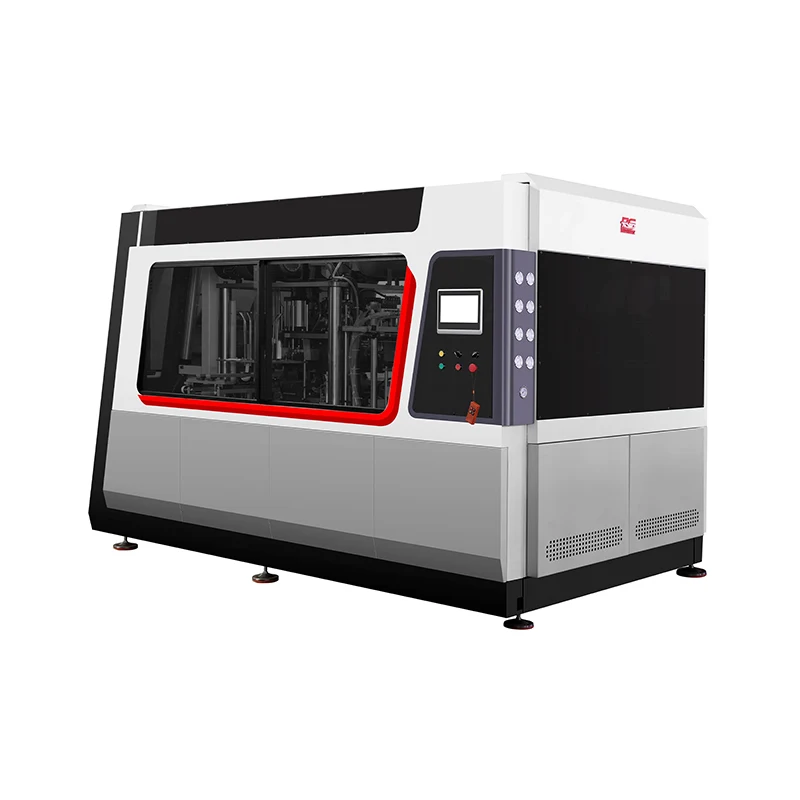
The image above shows Realstar’s separate compartment paper lunch-box forming equipment. It is included to clarify the difference between forming product families. It does not show the plate machine’s tooling or prove that the plate machine can produce that lunch-box format. A change of product geometry requires its own supplier confirmation and trial.
For a broader food-container procurement workflow, see the paper food-box forming machine trial guide. The separate paper-cup feeding investigation concerns transfer problems rather than plate-rim formation. Keeping these boundaries clear helps identify which evidence is relevant to the current defect.
Likewise, a coating description does not establish recyclability, compostability or food-contact compliance for the finished article. Request documentation for the actual construction, market and use. Keep these commercial requirements in the acceptance brief without replacing them with a successful appearance trial or a general statement about paper products.
Plan safe inspection and supplier handover
Inspection must not require reaching into an operating forming area. Arrange sample collection and any adjustment through the machine’s documented method. For interventions involving motion, heat or stored energy, authorized personnel should follow the actual isolation and access procedure. Do not treat an emergency stop as permission to enter every danger zone.
The WorkSafeBC training below explains guarding and lockout in manufacturing. It is background education for the intervention discussion, not instructions to adjust this plate machine. The delivered documentation and site assessment govern the actual task.
Watch WorkSafeBC guards and lockout training on YouTube.
Give the supplier a compact evidence pack: product requirement, confirmed configuration, material and blank identity, station-specific samples, defect map and baseline trial record. Ask for a proposed investigation and defined acceptance conditions. After correction, repeat the affected checks and retain the result alongside the earlier failure. This is more useful than an unlabeled photograph and a request for a higher pressure setting.
Frequently asked questions
Does every visible wrinkle mean a paper plate is defective?
No. Compare the feature with the agreed plate design and reference sample. Distinguish regular formed texture from uneven folds, cracks and surface damage. The acceptance decision also needs the specified shape, handling and end-use requirements rather than appearance alone.
Should moisture or temperature always be increased to remove wrinkles?
No. Research results depend on the material and forming method, and a change can affect more than appearance. Identify the construction and confirmed machine arrangement, then ask for a controlled trial within approved limits. Do not copy experimental settings as a universal production recipe.
Why should samples from two forming positions be kept separate?
Separate identities reveal whether a feature is associated with one station, mould or setup. Mixed samples can hide that relationship. Compare equivalent material and inspection stages, record approved changes and repeat the complete plate acceptance checks after correction.