Paper bowl bottom leak testing should separate the place where liquid first escapes from the place where a wet mark finally appears. Begin with identified samples, a dry outside surface, a defined fill level and conditions representing the intended food service. Record the side seam, bottom perimeter and sidewall separately before changing the forming process. A leak test is a production-quality check; it does not establish food-contact compliance or prove that a bowl is suitable for every temperature or heating appliance. This guide provides a practical trial plan for buyers evaluating a paper cup or bowl forming line and factories investigating inconsistent batches.
Define the bowl and its intended service
A useful investigation starts with a complete product description. Record the bowl drawing revision, paper supplier, board grade, barrier construction, blank dimensions and bottom material. Identify which face of each component is intended to contact food. Keep the material lot numbers attached to the trial record. Two bowls can look identical while using different coatings or board constructions, so appearance alone cannot establish that a previous setup remains appropriate.
Describe how the customer will actually use the bowl. Include the food type, filling conditions, expected holding period, lid arrangement and handling route. A container for a chilled salad and a container for hot soup need different evaluations. Where the intended service includes oils, acidity or prolonged storage, ask the packaging specialist to select an appropriate test plan. Do not silently substitute a short water test for the full intended application.
The FDA separates food-contact evaluations by food category and conditions of use. Its reference helps explain why the intended application must be defined before a compliance review. It is not an approval of an individual bowl, coating or machine. Keep the material compliance evidence alongside, but separate from, the factory's leak-test observations. The equipment trial should show whether the selected construction can be formed consistently under the agreed conditions.
Locate the first visible failure
Dry the outside of the sample and place it on a clean inspection surface using the site's approved handling method. Mark the bowl orientation so that the side seam can be related to the bottom perimeter. Observe where moisture first becomes visible rather than describing the whole bowl as leaking. Take time-stamped photographs from a consistent angle, and retain the sample identity in every photograph.
Separate an escape path at the bottom joint from moisture arriving there after travelling down the side seam. Also distinguish leakage from condensation or liquid spilled over the rim during filling. A damp underside is an observation, not a diagnosis. If the evidence is ambiguous, repeat the observation with fresh samples and a controlled filling method before adjusting the forming equipment. Avoid drawing a conclusion from one damaged or mishandled bowl.
Use an inspection table before making adjustments
The following table is a qualitative investigation aid, not a specification for allowable defects. Acceptance criteria must come from the agreed package requirements and the validated test procedure. Choose observations that a second inspector can reproduce, and keep the original photographs available when the production team reviews the result.
| Observed location | Evidence to collect | Next comparison |
|---|---|---|
| Bottom perimeter | First wet position, joint appearance and sample orientation | Compare matching samples from the same material lot |
| Side seam | Starting point of moisture and overlap condition | Compare the seam before and after the approved hold period |
| Sidewall away from joints | Damage, scuffing or a local barrier defect | Compare unused blanks and safely collected finished samples |
| Rim or outside streak | Fill method and any liquid on the exterior | Repeat filling without exterior contamination |
| No immediate leak | Observation duration and later inspection result | Continue to the agreed end point before release |
Prepare a repeatable fill-and-hold trial
Write the method before collecting results. State how samples are selected, how they are labelled, the test liquid or representative food, the fill amount, the initial temperature where applicable, and the observation schedule. Define what counts as failure and who can release the batch. Select sample quantities through the customer's quality plan; this article does not prescribe a universal sampling standard or an acceptable defect percentage.
Use suitable equipment and trained personnel for hot-fill or other hazardous tests. Define safe filling, transport and disposal arrangements before starting. Record the actual conditions rather than only the intended settings. If the liquid cools or the observation time changes, that difference belongs in the record. Results obtained under different methods should not be placed in one pass-rate comparison without explanation.
Select samples across the trial instead of collecting only the best-looking pieces at startup. Include samples after the process reaches its approved operating condition and after relevant interruptions or material changes. Preserve the sequence so that the team can see whether a problem is isolated, periodic or associated with a specific event. When destructive examination is needed, retain separate samples for the original leak observation and the later joint inspection.
Compare materials before changing the machine
Review blank cutting, component orientation, contamination and storage history. Inspect unused blanks and bottom stock under the same identification system as finished bowls. Ask whether the suspect lot differs from a previously accepted lot in the declared material construction. Do not assume that increasing machine energy or force will compensate for an unsuitable coating, an incorrect blank or damaged raw material.
A controlled comparison can use the same approved machine setup with two clearly identified material lots, provided the supplier confirms both are suitable for that setup. Keep everything else consistent and record any unavoidable differences. If the result changes with the material, investigate the material route before committing to a machine modification. If it follows a particular operating condition, document that association without declaring the cause proven prematurely.
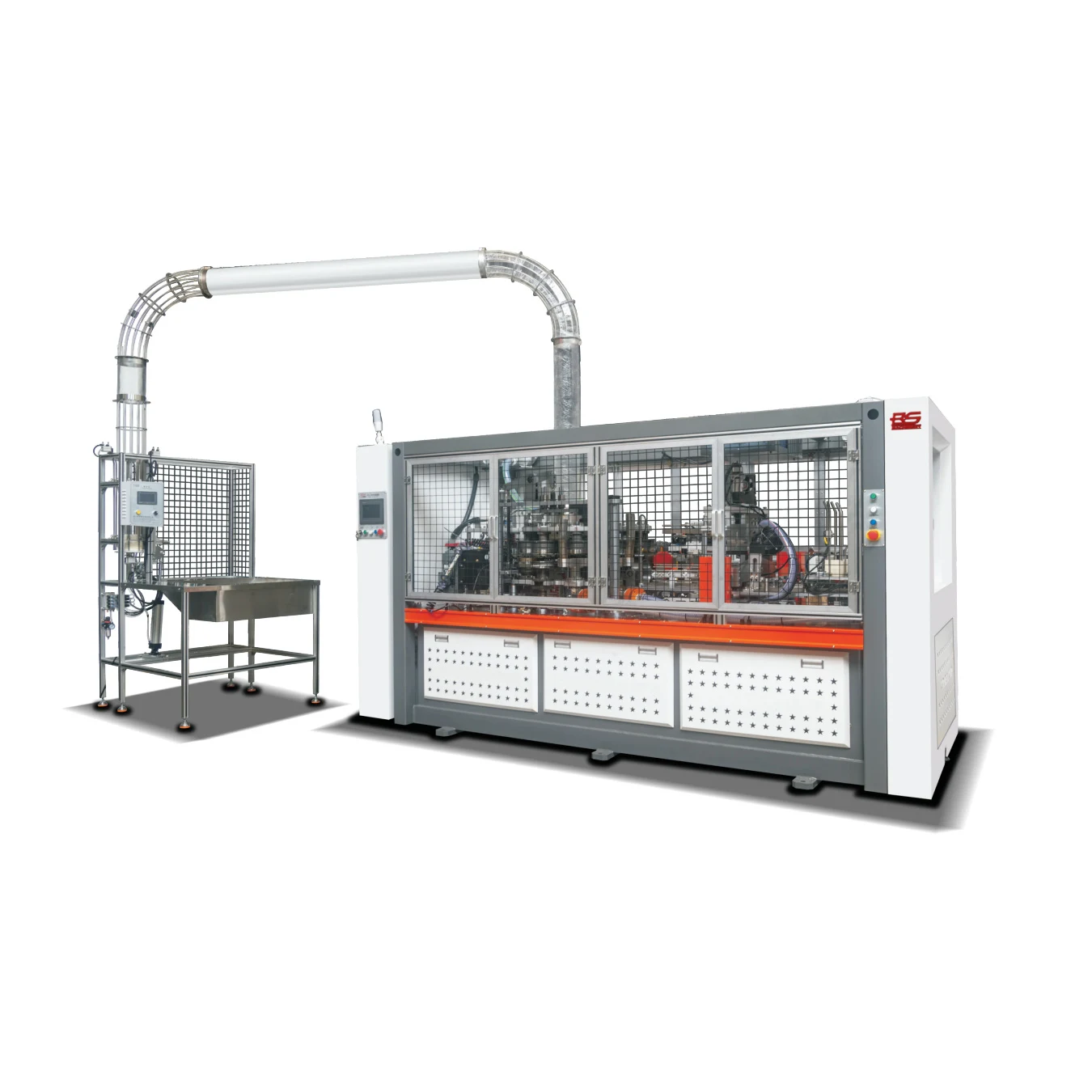
For procurement, send actual representative materials to the equipment supplier. The Realstar paper cup and bowl machine page provides a starting point for discussing the relevant machine family. Request written confirmation of the configuration, tooling and material combination proposed for your bowl. Broad product-page descriptions should not replace a configuration-specific trial agreement, particularly when the package has additional claims about heating, barrier performance or disposal.
Review forming conditions through the approved procedure
After locating the defect and checking materials, compare the recorded setup with the machine manual and the approved job record. The supplier should identify which settings control the relevant joint and how those settings are checked. Record displayed values, actual observations and the person making the adjustment. Avoid applying another manufacturer's temperature, pressure or timing recommendations to a different machine or coating system.
Change one approved variable at a time when the investigation permits it. Label the resulting samples and wait for the agreed process condition before comparing them. A trial in which material, speed and several forming settings change together may produce an improved bowl but offers weak evidence about why it improved. Preserve the last accepted setup so that an unsuccessful experiment can be reviewed and safely reversed.
Keep access and cleaning under safe control
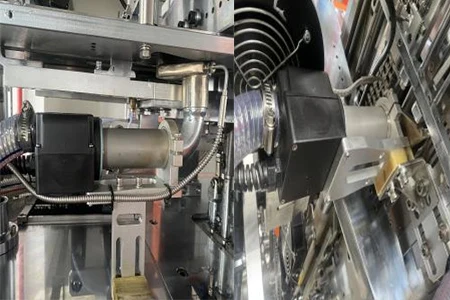
Forming equipment can contain moving parts, heated areas and stored energy. Inspection photographs of internal components do not authorise reaching into the machine. Use the manufacturer's instructions and the site's assessed procedure for inspection, cleaning, adjustment and fault recovery. WorkSafeBC's training video below explains the general importance of guarding and lockout in manufacturing; it is not an operating demonstration for the pictured machine.
HSE's printing-industry safety guidance is also useful background for managing machinery hazards. Local requirements and the actual equipment risk assessment determine the applicable controls. If an investigation requires access beyond normal protected operation, stop and involve the authorised person. A production-quality issue should never be investigated by defeating a guard or making an improvised adjustment near moving components.
General manufacturing safety education by WorkSafeBC. Watch the training video on YouTube.
Release a process, not a single attractive sample
A good-looking bowl at the end of a trial is useful, but the release record needs more context. Identify the material combination, machine configuration, setup revision and conditions under which samples passed. Record rejects and interruptions as well as accepted samples. Keep the agreed criteria visible so that a production supervisor can determine whether a later batch is still operating within the approved process.
Where downstream handling matters, include lid fitting, nesting, separation, packing and the intended service trial. A leak result should not hide a damaged rim or a bowl that cannot be handled reliably. Likewise, successful handling does not replace the liquid-retention check. Define who owns each part of acceptance and how an unresolved observation is escalated before commercial production is released.
Build the supplier inquiry around evidence
Send the drawing, material specifications, representative blanks, bottom stock and the customer's intended-use description. Include photographs of identified failures and the actual test record. Ask the supplier which equipment configuration should be evaluated, which tooling is required, which materials are excluded and what evidence will be delivered during the trial. Request a clear distinction between a demonstration and an agreed acceptance test.
For related process planning, use the food box forming trial guide to structure material and sample preparation. The die cutting, stripping and blanking guide helps clarify the incoming blank condition, while the folder gluer collector capacity guide illustrates how to distinguish nominal activity from accepted output. These are complementary planning references; their machine-specific details should not be transferred to bowl forming without confirmation.
Frequently asked questions
Does a water test prove food-contact compliance?
No. A water test provides evidence about leakage under its recorded conditions. Material compliance and suitability for the intended food and service conditions require their own supporting assessment and documentation.
Should the operator increase heat whenever a bottom leaks?
No. First locate the failure and check materials, component geometry and the approved setup. Any forming adjustment must follow the specific machine and coating instructions, with identified comparison samples.
Can one accepted sample release a production batch?
A single sample cannot establish consistency across a batch. Apply the agreed sampling and acceptance plan, retain the test conditions and document who authorised release.
Explore the Realstar packaging and paper converting equipment range to define the surrounding production route.