
A paper food box forming machine should be qualified with the exact coated board, blank drawing and food-service conditions you intend to use. A machine that forms an attractive empty tray has not yet demonstrated a reliable corner seal, consistent nesting or acceptable performance after filling. Start with the finished container and work backward through material, tooling, heating, collection and inspection. This guide explains how to prepare a useful sample trial, what to record during it, and which questions to resolve before ordering equipment. It applies to formed paperboard food trays and boxes; cup forming and folding-carton gluing need their own process checks.
Define the container before comparing machines
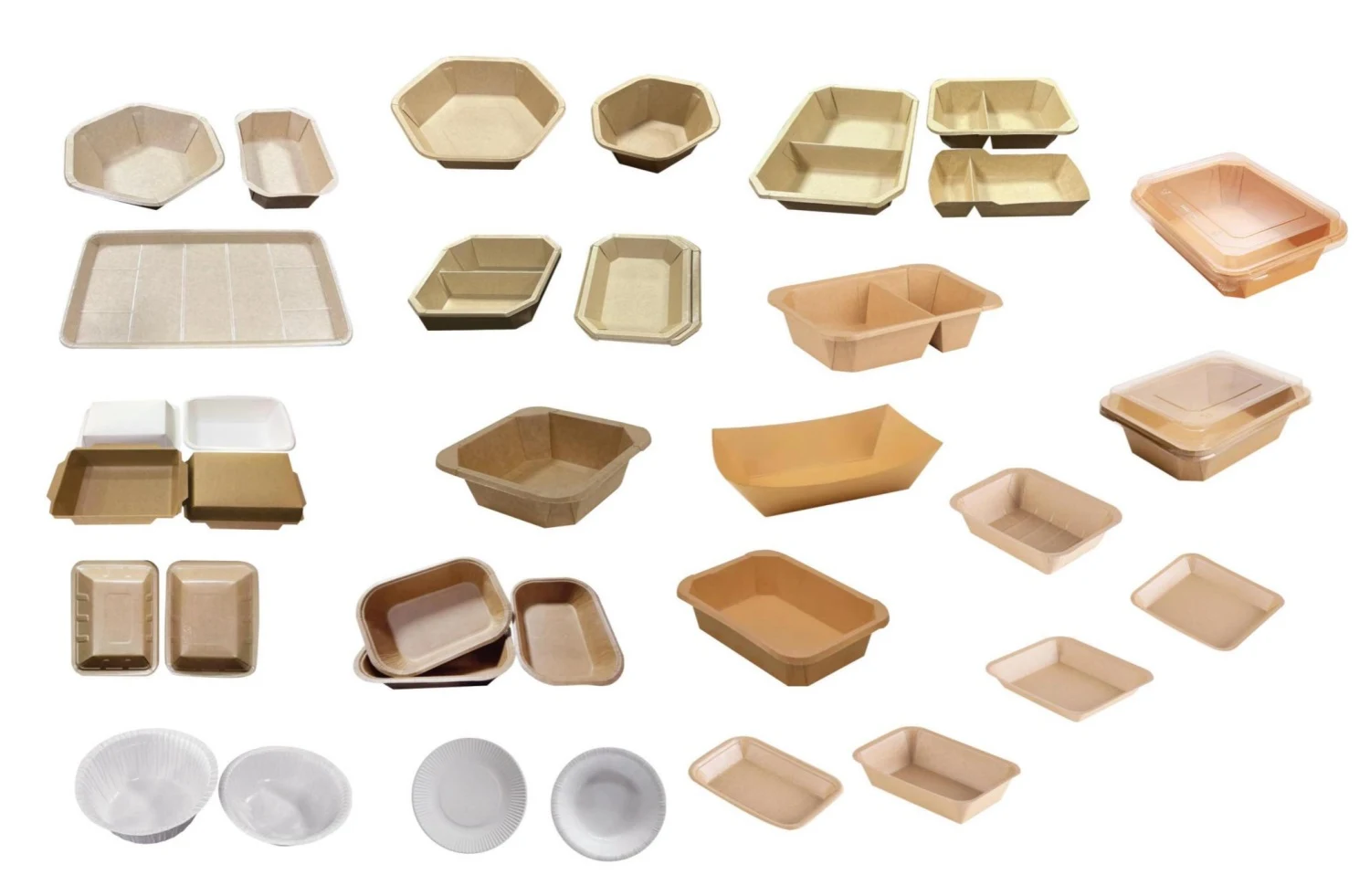
Give each proposed container a drawing revision and a physical reference sample. Record the base, opening, depth, corner shape, rim design and any lid interface. State whether the product is sold empty to a caterer or filled on another production line. Those two workflows may impose different demands on stack height, separation and handling. A change in wall angle can also affect how a tray releases from tooling and nests with the next one. Treat the shape as part of the engineering brief rather than a photograph attached to a price request.
Separate essential requirements from preferences. A closure that must fit an existing lid is an essential requirement; a slightly different stack arrangement may be negotiable. Identify which dimensions are controlled by the food customer’s packaging specification and which can be developed during the trial. Agree how measurements will be made, including the condition of the sample and the measuring location. Without that agreement, two people can measure different places on a tapered tray and reach conflicting conclusions about the same box.
Identify the coating, not just the paper weight
The substrate description should include the board supplier, grade, thickness, grammage, coating identity, coating side and batch. A description such as “kraft paper, 300 gsm” leaves too many important details unresolved. Two boards with similar weight can behave differently when folded or heated. Provide information about printing and varnish as well, especially where a printed surface enters the overlap. Ask the material supplier for the permitted converting conditions and share those with the machine supplier before a trial begins.
Do not treat PE, modified polyester and water-based barrier coatings as interchangeable recipes. The useful question is whether a specific construction can form and seal within the selected equipment’s operating range. Ask for a written trial record for each material you expect to buy regularly. If a proposed substitute material has not been tested, label it as unqualified. This prevents a purchasing substitution from becoming an unexplained production fault several months after the machine arrives.
Food-contact suitability is a separate decision. The FDA distinguishes food types and conditions of use, including hot filling, refrigeration and reheating. Use its food types and conditions of use reference to frame the questions for your packaging compliance specialist. A forming trial does not establish that every coating, ink or adhesive is suitable for every food application.
Prepare a trial that can be repeated
Send enough representative blanks to cover initial setup, steady running, a stop and restart, inspection and retained samples. Agree the quantity with the supplier rather than sending only a few carefully selected sheets. Identify the orientation and lot on the package. Include ordinary production material, not only exceptionally flat laboratory samples. If you expect several board suppliers, select the most commercially important constructions and establish an explicit order for testing them.
Record the starting condition before changing settings. Useful fields include blank revision, material lot, tooling identification, machine model, operator, date and approved starting recipe. Photograph the blank and finished tray under consistent lighting. Keep acceptable and unacceptable samples together with their labels. The point is to make the result explainable: another operator should be able to tell which material and setup produced a sample without relying on memory or a short demonstration video.
Check the process stage by stage
The following table is a proposed acceptance worksheet, not a universal tolerance specification. Complete the acceptance column with the customer and equipment supplier before the test. Where a test method or limit is required, identify the agreed method and responsible reviewer. A machine should not receive an overall pass merely because one attractive tray was selected from the delivery stack.
| Stage | What to observe | Evidence to keep |
|---|---|---|
| Blank feeding | Singles feed consistently without visible damage or repeated intervention | Feed interruptions and affected blank lots |
| Forming | Corners and walls follow the approved drawing | Measured samples from the agreed positions |
| Sealing | Overlaps remain closed under the specified handling and use test | Labeled samples and agreed test results |
| Collection | Trays nest and separate without rim damage | Stack and separation observations |
| Restart | Quality returns predictably after the approved stop procedure | Restart waste and time to accepted output |
| Changeover | A second format can be set and reproduced | Tool list, settings and accepted samples |
Observe where defects first appear. A shifted blank may create an uneven overlap even when the heating system is functioning correctly. A tray damaged during collection may have left the forming tool in good condition. Distinguishing those stages prevents an operator from changing a heating parameter to compensate for a mechanical alignment problem. Record one purposeful adjustment at a time, within the supplier’s instructions, and compare consecutive samples before deciding whether the change helped.
Evaluate seals under the actual use conditions
Agree a container test that reflects the intended food, filling temperature, holding period and handling. Where specialist migration or compliance testing is needed, use a qualified laboratory and the applicable market requirements. Production checks and regulatory testing answer different questions. A practical filling test can reveal a leaking corner, but it cannot prove the legal suitability of a coating. Likewise, a material declaration does not demonstrate that a particular machine setup produces a consistently closed seam.
Inspect samples immediately after forming and again after the agreed conditioning interval. Include corners, overlaps and rims rather than looking only at the base. Define how the container will be lifted and supported during the test. An unsupported handling method might be intentionally severe, or it might be unrelated to the intended application; decide that before interpreting the results. Retain failed samples and record the failure location so that the board supplier and machine supplier can investigate the same evidence.
Distinguish forming from curling and other operations
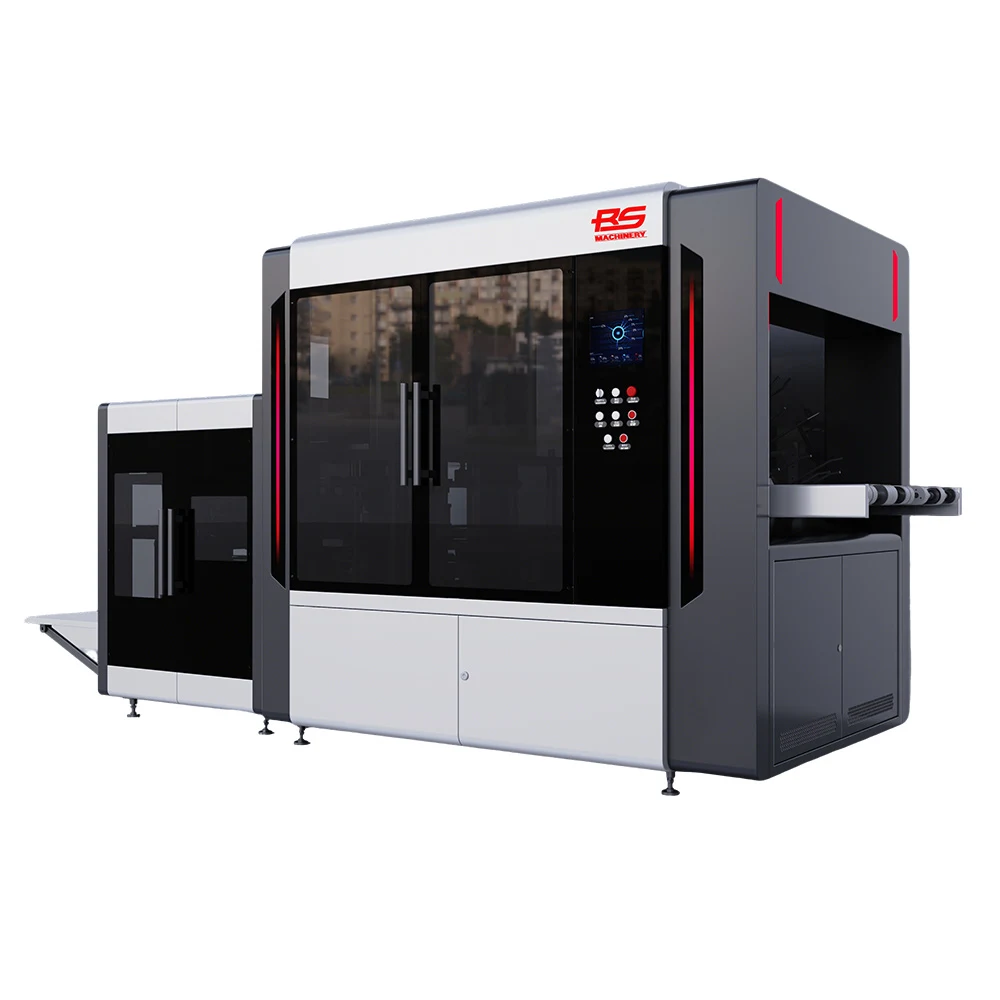
Realstar’s rectangular and octagonal kraft food box machine is presented for blank-fed forming with coated materials. Confirm the tooling and material combination for your container. If your packaging needs a curled rim, review the separate curling paper food box machine rather than assuming a forming machine includes every rim-finishing operation. The food box machine range is the appropriate starting point for comparing these workflows.
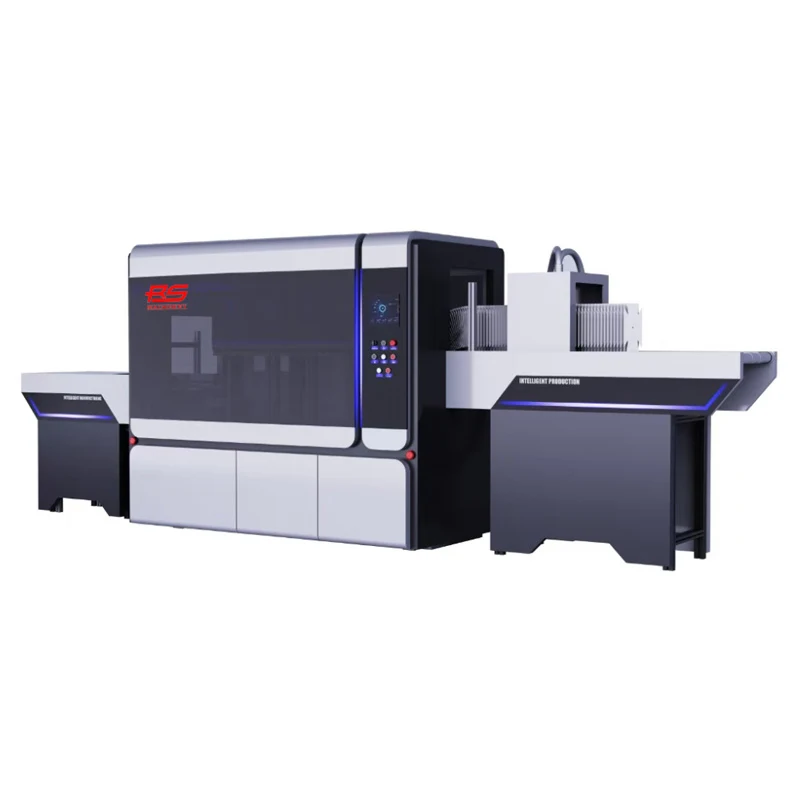
A process boundary matters commercially. Ask which operations happen inside the quoted machine and which require upstream die cutting, separate printing, secondary finishing or additional handling. Identify responsibility for the blank drawing and the forming tooling. If a separate supplier makes the blank, arrange a review of the approved drawing before placing the tooling order. Resolving these interfaces early is usually easier than discovering that a finished blank cannot be handled as planned during installation.
Measure accepted output rather than demonstration speed
Count good containers delivered over an agreed trial period and record the elapsed time. Keep setup waste, startup rejects, material replenishment and unplanned stops visible. An instantaneous cycle display is useful operating information, but it is not a complete production forecast. Record whether a quoted rate refers to cycles, individual containers or multiple forming positions. These units must be consistent before comparing two proposals or estimating shift output.
For internal planning, calculate accepted containers per hour as accepted quantity divided by elapsed hours. For example, 4,800 accepted containers in a two-hour observed period equals 2,400 accepted containers per hour. This is an arithmetic illustration, not a Realstar capacity claim. Record how the observation treated breaks and setup. Use a separate allowance for activities excluded from the test instead of silently assuming that the machine can maintain its best observed rate throughout every shift.
Plan safe changeovers and cleaning
A food packaging line needs an agreed cleaning routine as well as a forming recipe. Request access instructions, permitted cleaning materials and the procedure for returning the equipment to production. Review how tools are handled and where removed parts are stored. Hot components and moving mechanisms require the manufacturer’s safe procedures; a production stop button is not a substitute for the required isolation process. Maintenance access should be reviewed during the equipment assessment, not improvised by operators after delivery.
The HSE printing machinery guidance identifies setup, blockage clearing and cleaning as important machinery-risk situations. Apply the relevant local requirements with a competent assessor. The following US Department of Labor training provides general background on hazardous-energy control for servicing. It is supplementary education, not a machine-specific changeover instruction.
General servicing-safety training by the US Department of Labor. Watch on YouTube.
Send a complete inquiry package
Include the approved container and blank drawings, material specifications, printed samples, expected format mix and required accepted output. Add electrical and compressed-air information confirmed by the site team, available floor space and the downstream packing method. Ask the supplier to identify included tooling, change parts, installation support, training and the trial acceptance process. Request clarification where a website parameter uses ambiguous units or combines several models in one table.
Keep the trial evidence as a purchasing attachment. List unresolved items with an owner and a decision date, and distinguish an accepted configuration from an option that still needs testing. For upstream blank preparation, read the guide to stripping and blanking after die cutting. If material handling limits the rest of your carton operation, the collector capacity worksheet explains how to evaluate accepted output and downstream constraints without relying on a headline machine speed.
Frequently asked questions
Can one machine run every coated paper?
No universal compatibility should be assumed. Qualify the exact board and coating with the proposed tooling and operating conditions. Keep a separate approved recipe and retained sample for each materially different construction.
Is a leak test enough for food packaging approval?
No. It can help assess container performance under the agreed conditions, but food-contact suitability requires the appropriate material documentation and compliance review for the intended market and use.
What is the most useful sample to send?
Send representative production blanks, their drawing revision and material identification, plus a finished reference container if available. Include enough stock for setup, sustained running and retained inspection samples.