Choosing a paper pile lifter starts with the transfer task: what arrives on the pallet, where the top sheets must go, and what people still have to lift, reach across or turn. Rated capacity alone cannot answer those questions. A suitable installation must accommodate the actual load, working heights, approach route and receiving machine while preserving access to guards and controls. This guide explains how to prepare a selection brief and acceptance trial for a printing or packaging workshop. It does not assign a universal safe lifting weight or replace the supplier’s instructions and a workplace assessment.
Map one complete material journey
Follow a representative job from storage to the next process. Record the pallet or support, sheet dimensions, load condition, approach direction and receiving table. Include the empty pallet’s removal. A lifter that works beside an isolated machine can become inconvenient when another operator needs the same aisle or when finished work occupies the return route.
Separate vertical positioning from transport. Raising a stack beside a worktable is a different duty from moving it across the building. Likewise, lifting a pallet does not automatically transfer an individual lift of sheets onto a cutter. Write down every remaining manual transfer rather than treating the equipment purchase as the end of the assessment.
Watch the task near the beginning and end of a stack. The operator’s reach and posture may change as the pile diminishes. Include short orders and frequent stock changes as well as the largest production run. These observations reveal whether the main problem is low pickup height, distance, repeated turning, load size or congestion.
Distinguish three equipment roles
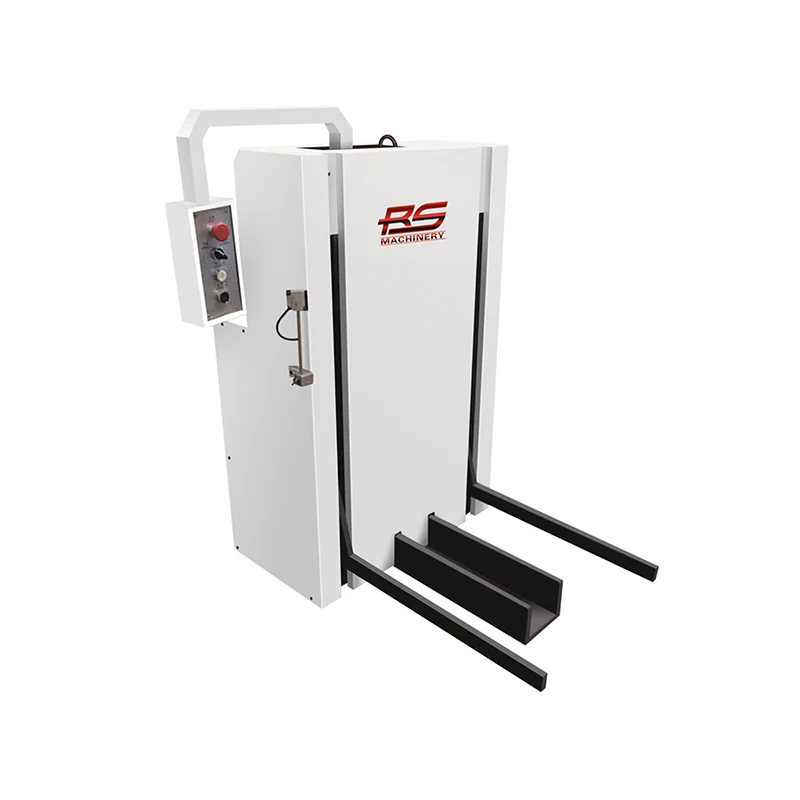
Realstar lists an RS-L paper lifter for positioning paper beside processing equipment. Its website also lists a separate RS-FL1500 paper lifter and an automatic paper loading system. These are different product arrangements. A photograph of one should not be used to promise the functions of another.
For a positioning lifter, investigate how the supported load rises and how the operator takes material from it. For a fork-based arrangement, establish the approved pallet interface, travel conditions and permitted load distribution. For a loading system, define the sheet-transfer operation and the boundary with the adjacent machine. Ask the supplier to identify the offered configuration in a drawing and demonstration.
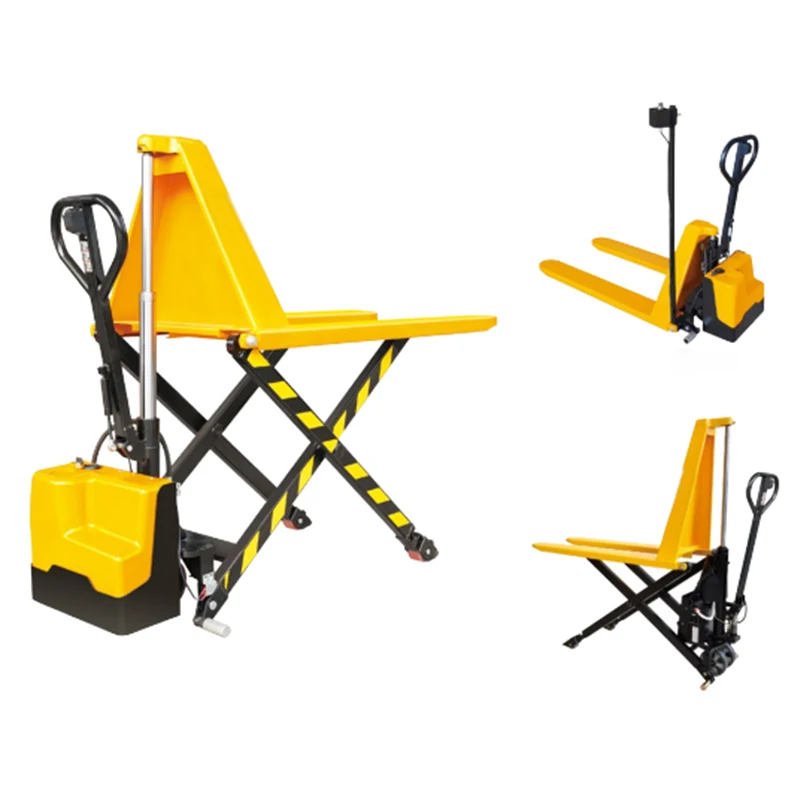
The practical choice depends on what remains between the equipment and the next operation. If workers must still carry every bundle around a corner, a higher platform may leave the most difficult part unchanged. If an automatic transfer reaches into a guarded zone, the integration and safeguarding need review as a combined installation, not as two unrelated purchases.
Specify the real load and support
Give the supplier the complete supported load, including pallet, board, tray or other accessories where applicable. Provide its footprint and condition, not just the nominal paper size. An overhanging sheet pile, damaged pallet or unusual distribution should be disclosed and evaluated rather than assumed acceptable because the total mass appears below a catalogue figure.
Record how the load is established. Use a reliable measurement or documented material calculation appropriate to the job, and retain the basis. Do not estimate capacity from the apparent size of the machine. Confirm the rating and any restrictions on the exact supplied equipment, its documentation and the supplier’s approved arrangement.
Include the smallest load and the awkward one. A narrow pile may present a different support or reach problem from a broad one. Loose cut blanks may behave differently from wrapped stock. If the job includes partial pallets, tilted stacks or material on nonstandard supports, show these conditions before an order is agreed. A successful trial with a neat demonstration pallet does not establish suitability for every production load.
Check working heights and transfer distance
Prepare a simple layout with the lifter, receiving table, operator position, controls, access doors and material route. Measure the height at which material is collected and the receiving height. Also record the horizontal gap. Matching heights is useful only when the actual transfer can be performed in the intended way without an awkward reach or unapproved bridge.
The HSE printing manual-handling overview identifies mechanical aids and workstation changes as ways to reduce handling demands. This supports assessing the whole task rather than buying by capacity alone. It does not certify a particular Realstar installation or prescribe one working height for every operator.
Ask operators of different stature to take part in the assessment. Observe visibility, access to controls and the space needed to handle the sheet size. Check whether stock can be transferred without twisting around nearby equipment. Where a trial identifies a gap, ask for an engineered arrangement and revised assessment; do not improvise a platform or defeat a guard to obtain access.
Use a selection and evidence table
The following is a procurement worksheet, not a table of machine ratings. Fill each row with site measurements and supplier confirmation. Its purpose is to make unanswered interface questions visible before equipment reaches the factory.
| Selection question | Evidence to provide | Acceptance observation |
|---|---|---|
| What is being supported? | Representative load, support footprint and documented complete mass | Load matches the approved support and distribution |
| Where does material enter? | Approach route, pallet interface and floor arrangement | Loading can follow the documented method without conflicting traffic |
| Where do the sheets go? | Receiving height, gap, sheet size and transfer direction | Representative transfers follow the agreed safe workflow |
| How does the task change as stock runs down? | Observations at different pile levels | Access and handling remain workable throughout the stack |
| What must remain accessible? | Controls, guards, service space and escape routes on a layout | Installation preserves the required access |
| Who handles abnormal conditions? | Written responsibility for damaged loads, jams and maintenance | Operators know when to stop and request authorized assistance |
Record exceptions explicitly. If the supplier has tested one pallet type, list the other types as unverified. If the assessment requires a different layout, revise the drawing rather than leaving an oral promise in the purchase discussion. This turns a general quotation into a reviewable application proposal.
Observe the operator’s remaining work
During a demonstration, count the actions needed to prepare, position, transfer and remove material. Also note pauses, regripping and requests for assistance. These are observations of the tested workflow, not a promise of a particular productivity improvement. Compare equivalent jobs and retain the conditions behind any timing.
The WorkSafe guidance on paper-cutting guillotines discusses handling at the cutting station, including the relationship between support tables and the paper stack. Its context is a guillotine workplace; it does not certify a lifter. Use the actual receiving operation to assess the proposed transfer and the work that remains.
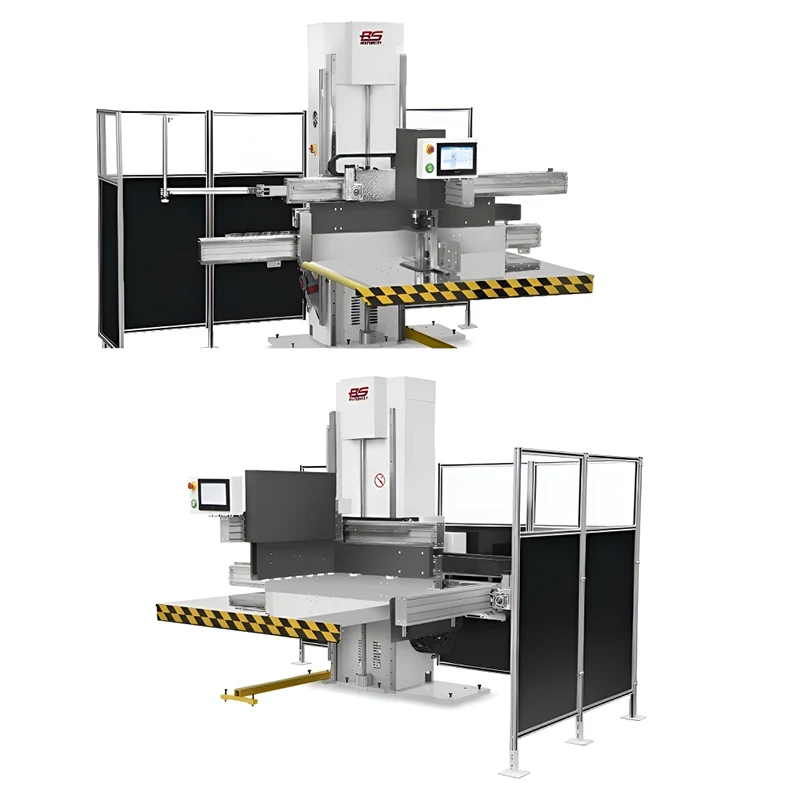
Include replenishment and housekeeping. A system can simplify normal feeding while creating a new manual task when an empty support must be removed. Check where packaging, straps and waste go, and whether the operator must cross the loading route to reach a control. Plan these details with production and the people responsible for workplace safety.
Plan abnormal conditions before production
Identify who may inspect, adjust, clean or maintain the equipment. Instructions must cover the actual sources of energy and the installation’s hazards. An emergency stop is not a substitute for the documented isolation procedure needed for a particular intervention. Do not enter a trapping zone or reach under a supported load to investigate an unexpected movement.
For safety learning, the WorkSafeBC video below explains why supervision, guarding and lockout matter during manufacturing interventions. It is general education, not an operating procedure for a paper lifter. Use the delivered instructions and the site’s authorized system of work for the actual equipment.
Watch WorkSafeBC guards and lockout training on YouTube.
Agree how to handle damaged pallets, unstable piles, unusual noises, loss of power and failed positioning. These are situations to stop and escalate under an approved procedure. A production target does not justify continuing with a load arrangement that was never assessed. Ask the supplier to explain recovery methods before the first shift needs them.
Run an acceptance trial with realistic jobs
Define the trial before the demonstration. Choose material that represents the site’s relevant range, including a routine job and a difficult handling condition that the supplier has approved for testing. Record the machine identity, load, support, layout revision and people involved. Review safety arrangements before operating, not after a problem appears.
Test the workflow through replenishment and removal, not just a brief upward movement. Verify that access, visibility and transfer remain practical at the agreed pile levels. Separate the observed result from assumptions: a load positioned successfully is one result; a complete shift of repeatable transfers is a different claim and needs its own evidence.
Keep accepted and unresolved items on the same record. A restriction may be reasonable, such as approval for a particular support, provided purchasing and production understand it. Do not convert an unresolved interface into a general pass because the lifting motion itself looked smooth. Ask for correction, repeat the relevant part and retain the new result.
Connect the choice to the surrounding line
A lifter can support several processes, but each interface deserves its own check. For the receiving operations, review die cutting, stripping and blanking responsibilities and the separate folder-gluer collector capacity discussion. Neither article establishes the load rating or compatibility of a lifter.
Send Realstar a concise inquiry containing load and support details, layout, receiving height, material route, required duty and the proposed trial. Request a configuration-specific response, operating documentation and clear installation responsibilities. This gives the supplier enough information to address the actual transfer rather than returning a quotation based only on the largest stack weight.
Frequently asked questions
Is rated lifting capacity enough to choose a paper pile lifter?
No. Confirm the complete load and its distribution, then check support compatibility, travel or positioning duty, transfer heights, horizontal reach, layout and safeguards. Capacity is one condition within an application assessment. The exact supplied equipment and approved configuration must match the proposed task.
Does a paper lifter automatically load the receiving machine?
Not necessarily. Positioning a stack and transferring sheets are different functions. Ask the supplier to show the complete workflow and identify what operators still do manually. An automatic loading system also needs a defined interface with the adjacent equipment.
Can one successful demonstration approve every pallet and paper size?
No. Record the materials, supports and conditions actually tested. Other combinations remain subject to confirmation. Use representative jobs and document restrictions, then repeat relevant acceptance checks when a different load or layout falls outside the original assessment.