
PE film banding for printed bundles should be qualified on the actual stack: confirm bundle dimensions, sheet alignment, film position, visible marking and removal at the next operation. A tight-looking band is not sufficient evidence of a good package. The bundle must remain together through the handling route without crushed edges, slipped sheets or damaged print. This guide proposes a practical purchasing and production trial for small printed bundles. It does not treat a bundle bander as a pallet wrapper, and it does not claim that banding alone secures freight on a vehicle.
Define the bundle before selecting the machine
Start with the item leaving the finishing department. Record whether it is a stack of flat cartons, folded cartons, labels, paper sleeves or another printed product. Measure the assembled stack rather than multiplying the nominal thickness of one sheet. Folded areas, trapped air and irregular nesting can make the actual stack differ considerably from a simple calculation. Photograph the front, side and top of a representative bundle with its job identifier visible.
Describe the practical purpose of the band. It may hold a counted stack together until packing, keep lightweight items aligned on a trolley or replace a manual bundling step. These purposes have different acceptance conditions. Ask the customer which surface may carry a band and which printed areas must remain unmarked. If the package includes an opening instruction, barcode or inspection label, decide whether the band can cover it before the trial begins.
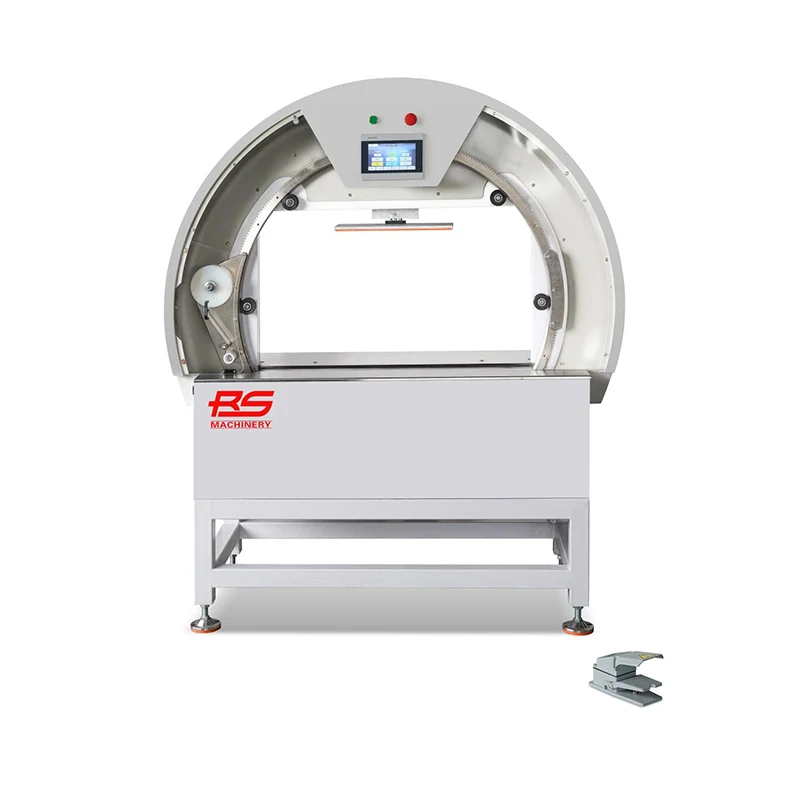
The Realstar stretch film wrapping machine product page describes an RS-600BM / RS-800BM / RS-900BM family of small-package film banding equipment, including a pressing plate and film cutting. Its published packing dimensions concern the bundle opening. They should not be interpreted as pallet dimensions or proof of transport restraint capability. Confirm the exact offered model, film and tooling in the quotation.
Separate bundle integrity from freight restraint
The Australian National Heavy Vehicle Regulator wrapping guide distinguishes holding individual items together from designing an adequate load restraint system. That distinction matters even when this article concerns smaller bundles. A bundle that passes an internal trolley transfer still needs suitable outer packaging and a separate freight restraint plan when shipped. Do not expand a successful local handling trial into a road-transport certification claim.
Write two separate requirements in the purchase specification. The first concerns the printed bundle: count retained, alignment retained, no unacceptable marking and practical opening. The second concerns the shipping unit: carton, pallet, protection and restraint selected by the responsible packaging and transport personnel. Keeping those requirements separate prevents a machine demonstration from silently becoming a promise about the entire delivery chain.
Choose samples that can reveal a weak process
Use more than the easiest square stack. Select a compact job, a taller stack, the lightest stock, a slippery surface and the most appearance-sensitive printed material within the intended scope. These are proposed sample categories, not claims about the machine’s guaranteed capability. If a category is outside the supplier’s confirmed operating envelope, record it as excluded rather than forcing the trial.
Keep a control bundle from the same job unbanded for appearance comparison. Record paper lot, print finish, stack count and elapsed time after printing. A rub mark that already existed before banding should not be attributed to the bander. Conversely, a clean control helps identify a new mark caused during pressing, film travel, transfer or removal. Include samples from normal production rather than relying entirely on specially prepared demonstration material.
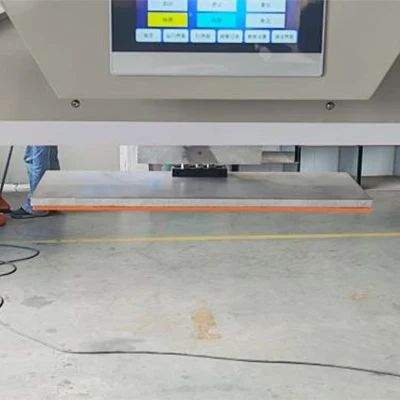
Inspect the stack at three useful checkpoints
The first checkpoint is immediately before loading. Check that the stack is square, the count is correct and damaged corners are already identified. The second is immediately after the cycle, before the bundle has been carried away. Look for movement of the top sheets, crushed edges, new scratches and an awkward film tail. The third follows the agreed handling sequence. Compare the bundle with its first photographs rather than relying on memory.
Separate position from compression when interpreting defects. A stack may move because it was presented unevenly, because its support was inadequate or because the recipe did not suit the product. Simply requesting a tighter band does not establish which explanation is correct. Ask the supplier to demonstrate approved adjustments while keeping the sample type and the other settings unchanged. Stop and isolate the machine before any intervention in a danger area.
Use a decision table instead of a universal tension recipe
| Observation | Question to resolve | Proposed trial evidence |
|---|---|---|
| Top sheets displaced | Was the stack aligned before the cycle? | Before and after photographs of the same numbered bundle |
| Band leaves an impression | Is appearance affected after unpacking? | Compare with an unbanded control after an agreed rest period |
| Film slips off a narrow stack | Does band position suit the bundle geometry? | Supplier-approved placement trial using the actual minimum job |
| Printed surface scuffs | Did the mark appear during pressing or handling? | Inspect before banding, immediately after and after transfer |
| Opening damages the product | Is removal suitable for the receiving process? | Record a normal unpacking demonstration with the specified tool |
| Bundle opens during transfer | Are film, closure and handling compatible? | Repeat the documented route and retain the failed band |
This is a proposed acceptance worksheet, not a machine setting chart. The supplier must identify which adjustments exist on the offered configuration and their permitted ranges. Do not publish a tension number from a different film or machine as a universal solution. Where the job is sensitive, the customer should agree visible defect limits and the inspection method before comparing competing recipes.
Test the film as an identified consumable
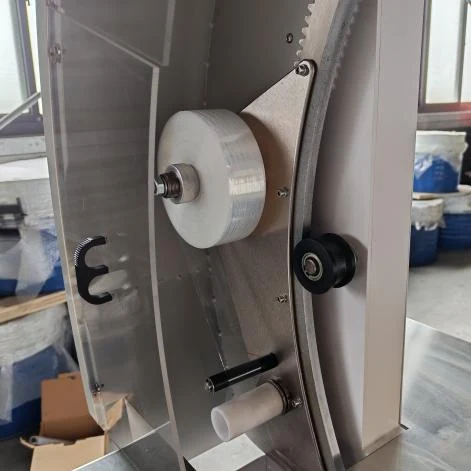
Record the film supplier, product code, nominal dimensions and lot. Keep its packaging label with the trial record. A roll that fits physically is not automatically a validated substitute. Ask the equipment supplier to identify compatible film construction and roll requirements, then ask the film supplier for the relevant technical information. Confirm whether the demonstrated joining or cutting arrangement applies to the exact machine being purchased.
When comparing consumables, use the same bundle category and handling sequence. Record accepted bundles as well as total film use and rejected material. A cheaper roll may give a different commercial result if changeovers, breakage or rejected packages increase. Treat that as a measured purchasing comparison, with the assumptions visible, rather than a general assertion that a particular thickness or supplier is always preferable.
Check throughput at the boundary of the real job
A machine cycle and a completed production bundle are different observations. Time stack preparation, loading, cycling, removal, transfer and replenishment separately. Record how many people are involved. If an operator pauses to correct the count or square a stack, preserve that time in the end-to-end observation. Removing every interruption from the stopwatch gives an incomplete picture of the process you intend to buy.
Use the folder-gluer collector capacity guide when the bander receives stacks from a collecting operation. Agree where the buffer sits and what happens when banding stops. The upstream collector and the bander should each have a clear operating responsibility. A fast banding cycle cannot repair an upstream count error, and an oversized buffer should not conceal repeated interruptions during acceptance.
Include removal and the receiving operation
A bundle is not fully evaluated until someone opens it. Ask a receiving operator to remove the band using the intended method, then check the first and last sheets as well as the middle of the stack. Record whether film fragments remain, whether the product spreads unexpectedly and whether the bundle identity stays with the material. Do not approve a package that is convenient to make but creates avoidable damage or confusion at the next station.
For folded cartons, include a later opening and assembly check when that is part of the customer’s normal process. For rigid-box components, inspect the decorative surfaces after separation. The rigid-box changeover checklist can support the broader handover record. Bundle acceptance should reference the correct product revision so a later artwork or stock change does not inherit an unsupported approval.
Keep the trial safe and reviewable
The HSE printing machinery guidance identifies setting, cleaning, clearing blockages and contact with moving parts as important accident contexts. A purchasing trial should therefore include safe access, isolation, guarding and the procedure for removing a failed bundle. Do not ask an operator to reach toward a pressing plate or cutter to obtain a better sample. The supplier’s operating instructions and the workplace risk assessment govern intervention.
The following WorkSafeBC video addresses guards and lockout in manufacturing. It supports the safety discussion; it is not a demonstration of this bander and does not replace its manual.
WorkSafeBC: guards and lockout in manufacturing.
Write a useful purchase and release record
List the bundle families demonstrated, the families excluded, the film tested, the observed handling route and the agreed appearance checks. Attach photographs and record rejected samples instead of keeping only the best result. If adjustments were made, identify the final approved recipe and who may change it. Ask the supplier to include training, consumable requirements and maintenance information with the quotation.
For an existing finishing line, make the release decision at the point where the banded bundles enter normal work. Confirm count, identification, space and handling together. A useful acceptance record explains why a package is suitable for that defined route and what changes require another trial. It does not need an invented certification, an unsupported strength number or a promise about every future paper grade.
For the broader equipment context, use the Realstar printing and paper-converting product range to compare the upstream and downstream operations. Ask the supplier to confirm the proposed line configuration rather than assuming that separate machines share one control or acceptance specification.
Frequently asked questions
Is this the same as wrapping a pallet?
No. The Realstar product discussed here is presented for small-package film banding. A pallet wrapper and a freight restraint system require their own equipment selection and validation. Confirm the exact bundle size and offered configuration with the supplier.
Should a slipping bundle always receive a tighter band?
No. Check stack preparation, geometry, film identification, band position and the approved recipe first. Compare numbered samples before and after the cycle. Any adjustment must stay within the machine and consumable suppliers’ instructions.
What evidence should accompany an accepted trial?
Keep the job identity, sample range, film lot, approved recipe, before-and-after photographs, handling sequence, appearance results and removal observations. Record excluded products and unresolved failures so the approval has a clear boundary.