
Paper drill burning is a warning to stop and investigate the cutting process, not a reason to force the paper stack through the machine. Brown hole edges, a hot-paper smell or increasing resistance can accompany excessive friction, poor cutting condition, a restricted chip path or an unsuitable drilling cycle. First distinguish a fresh heat mark from existing print, coating or backing-board transfer. Then inspect the tool and setup under the machine’s safe isolation procedure. This guide explains an evidence-based investigation for commercial paper drilling without prescribing universal spindle speeds, feed rates or stack heights.
Contain the affected stock and stop safely
Identify the last acceptable stack and hold the material drilled since that check. Mark the feed direction, hole position and position of the affected sheets within the pile. Keep both an affected sample and an undrilled sample from the same lot. Those samples help distinguish a drilling defect from a mark that arrived with the stock or was created during an earlier finishing operation.
If smoke, an unusual smell, damaged tooling or abnormal machine behaviour occurs, follow the site’s stop and emergency procedures. Do not continue making test holes while someone examines the rotating drill. A stopped cycle is not necessarily an isolated machine. Prevent unexpected movement and allow hot tooling to become safe before qualified personnel perform the checks required by the equipment manual.
The HSE printing machinery overview identifies contact with moving and rotating parts as important hazards and highlights the risks of intervention tasks. This is relevant to diagnosing a paper drill because clearing or inspecting a fault can place an operator near the cutting area. A quality investigation must be planned around safe access rather than improvised access.
Describe the mark before choosing a correction
Examine the entry and exit side of the hole, several intermediate sheets and the backing surface. Note whether the discolouration appears around the full circumference, on one side, or only near the bottom of the pile. Record tearing, compressed edges, attached waste and any change in hole shape as separate observations. Do not collapse every symptom into one description such as bad drilling.
Compare the hole with printed or coated areas nearby. On some jobs a dark image can make a clean edge look discoloured, while transfer from another surface can imitate a heat mark. Use suitable lighting and magnification without handling sharp tooling. If the material is unusual, ask the paper or coating supplier how it should be assessed after drilling.
A numbered sequence is useful when the first stack is acceptable but later stacks deteriorate. Record the cycle count or time at each sample. Also record stoppages, tool changes and waste removal. A photograph of the final reject alone cannot show whether the condition developed gradually or started immediately after a setup change.
Inspect cutting condition and the chip route
Have a trained person inspect the drill’s condition using the manufacturer’s procedure. Check the cutting edge, visible damage and whether the tool is approved for the machine and stock. A newly installed tool should still be checked for correct seating and compatibility. New does not automatically mean sharp, correctly fitted or suitable for the job.
Inspect the waste path and collection arrangement as specified in the manual. Hollow paper drills depend on an appropriate route for the removed paper. Keep the distinction between a blocked tool, a restricted downstream path and a full collection area. Removing one obstruction without investigating why it developed may simply produce another stoppage during the next stack.
The existing paper drill chip-removal article covers that waste-handling branch in more detail. Use it as the closest parent topic for this investigation. Do not push improvised rods into installed tooling, clear a drill while it rotates, or borrow a sharpening and lubrication procedure from an unrelated machine. The exact tool-service method belongs to the selected machine and tooling system.
Review the drilling cycle without guessing settings
Record the approved setup before making changes. Include spindle setting where adjustable, feed or cycle program, tool identity, stack height, paper type and hole pattern. A feed movement that pauses in the stock can behave differently from a continuous approved cycle. Conversely, forcing a stack can create tool and material damage. Neither faster nor slower is a universal remedy.
Ask the machine supplier to confirm the intended cycle for the actual material combination. Printed, coated or laminated stock may need a different trial from plain paper. Do not transfer a setting from a bench drill, a metalworking machine or a different hollow-drill design. The operating limits and cutting arrangement must be established for the equipment in front of the operator.
If the tool manufacturer requires lubrication, use only an approved product and application method. Assess marking, contamination and compatibility with downstream finishing before accepting it for a printed job. More lubricant is not a substitute for sound tooling or a clear chip route. Do not spray an unapproved product near running machinery to see whether the smell disappears.
Use a structured investigation table
This table provides observation and decision prompts rather than machine settings. Safe inspection and maintenance should follow the HSE work-equipment maintenance guidance and the machine-specific procedure. The table does not establish that a particular symptom has only one cause or set an acceptance limit for hole-edge colour.
| Observation | Evidence to preserve | Next investigation |
|---|---|---|
| Marks start after several acceptable stacks | Numbered samples and cycle history | Review tool condition, chip flow and changes during the run |
| One hole position differs from the others | Position map and tool identification | Inspect that tooling position and its individual setup |
| Bottom sheets differ from upper sheets | Layered samples and backing condition | Review approved depth, support and pile preparation |
| Fault appears only on one stock | Undrilled reference and material specification | Compare stock suitability and supplier-approved trials |
| Resistance or sound changes suddenly | Time, last good stack and machine event | Stop and have tooling and machine condition assessed |
| Dark marks do not match fresh cutting damage | Undrilled and drilled samples under equal lighting | Check coating, print or contact transfer before calling it burning |
Prioritize observations that isolate a variable. If only one drilling position is affected, changing the whole paper supply is unlikely to be the most informative first trial. If all positions change with one material lot, that is useful evidence for a stock comparison, although a common machine problem is still possible. Let the trial test the explanation rather than merely confirm the first guess.
Prepare and handle a consistent paper pile
Measure the actual pile height using the site’s approved method. Sheet count alone is an unreliable substitute when stocks vary in thickness or compressibility. Check that the stack is properly jogged and supported, and that clamping and positioning follow the machine instructions. Never compensate for poor pile preparation by holding sheets near the drill during a cycle.
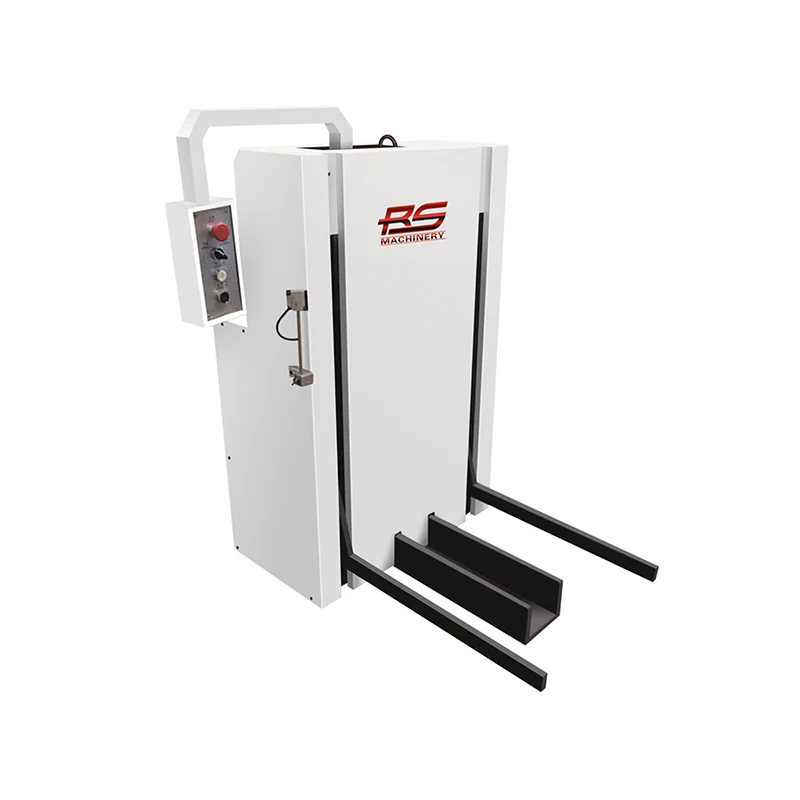
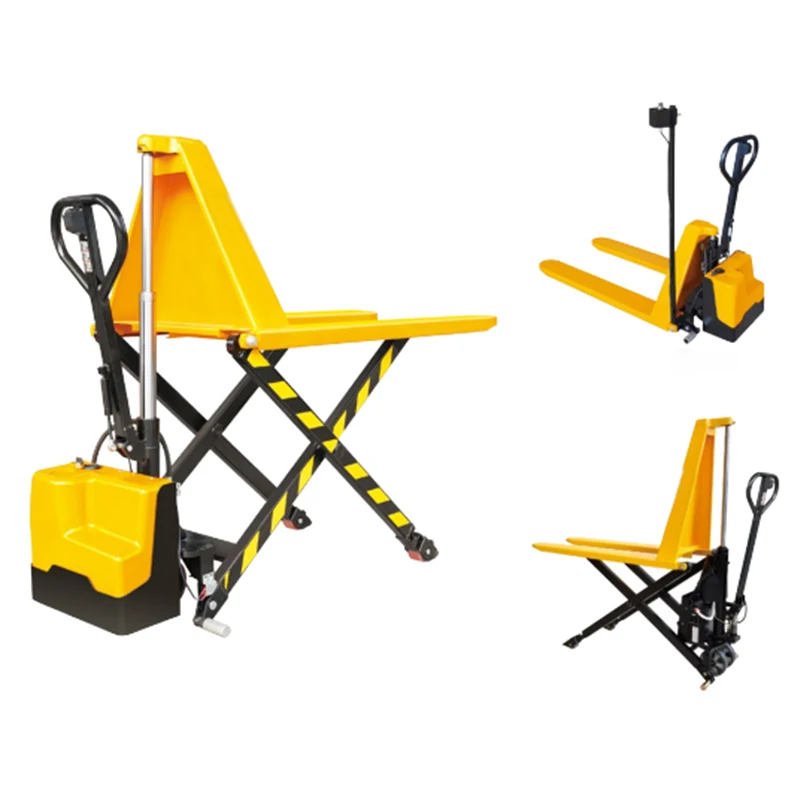
The two handling machines illustrated in this guide are separate Realstar paper-lifter products, not drilling heads or devices that remove heat from a drill. They show that pile transfer is a distinct part of the finishing workflow. Confirm load, platform and access requirements for any lifter used with a drilling operation; a handling product photograph does not establish that it integrates automatically with a specific drill.
Review the paper pile lifter selection guide when poor transfer makes consistent pile preparation difficult. Also retain the paper’s storage and conditioning history when comparing lots. A pile that changes shape or handles differently may need supplier assessment before a drilling recipe is judged suitable for the full order.
Prove a correction with a controlled restart
Choose one corrective action supported by the inspection: for example, replacing a damaged approved tool or restoring a restricted waste path. Record that action before restarting. Use trial material representative of the intended job and stay within the manufacturer’s operating limits. Avoid changing tool, stock, stack height and cycle together unless the whole setup has been rejected and a new baseline is being qualified.
Inspect an initial trial, then a defined later sequence. Compare hole edges, sheet separation, shape and downstream fit under the agreed inspection method. Keep the time or cycle interval consistent enough that a gradual deterioration can be detected. A single clean hole immediately after a tool change does not demonstrate stable performance throughout a production run.
Check dimensions separately from visual appearance. The paper drilling hole-accuracy guide addresses positioning and measurement. A hole can look cleaner while its position or diameter is unacceptable, so a heat-mark correction should not release the job without the normal dimensional checks. Use the customer’s drawing and agreed quality criteria to decide acceptance.
Define tool maintenance and escalation
Build maintenance decisions around recorded condition, supplier requirements and actual production experience. Identify who can inspect, sharpen, replace and release a tool. Record the tool identity, service action and the jobs or cycles relevant to its condition. An unlabelled collection of used drills makes it difficult to distinguish a recurring tool problem from a machine or stock issue.
The HSE printing maintenance FAQ explains how checks, breakdown history and inspection records contribute to an overall view of machine condition. Apply that record-based approach while retaining the requirements of the particular drilling machine. Do not copy the FAQ’s checks or inspection intervals for another machine type and present them as paper-drill instructions.
Escalate repeated burning, abnormal sound, visible tool damage or uncertain guarding to the equipment supplier or a competent technician. Provide the machine model, tool identification, material specification, stack details, program or approved settings, defect photographs and a numbered sample sequence. That package is far more useful than a message saying the drill gets hot, and reduces pressure for unsupported remote adjustments.
Specify a representative machine trial
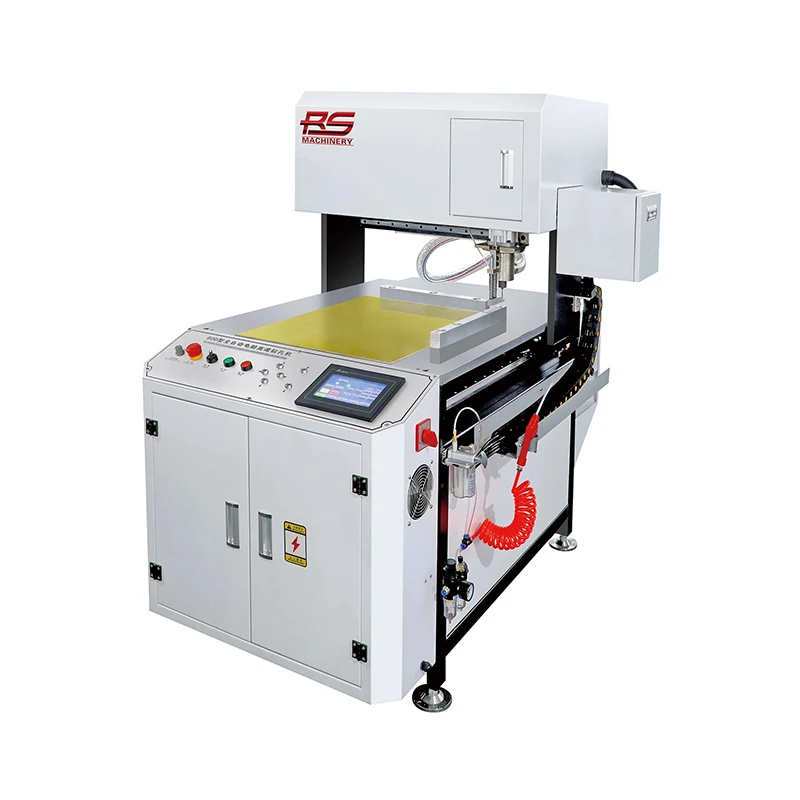
Realstar’s CNC paper drilling machine is the relevant product for an enquiry about automated paper drilling. Ask the supplier to confirm compatibility with your stock, hole pattern, pile height and intended duty. No operating capacity or heat-control performance is inferred here from the product photograph.
Include printed and finished stock in the trial when that is what production will use. Agree the visual and dimensional acceptance method, evidence needed from a repeat run, tool-service requirements and safe procedures for waste removal. The WorkSafeBC educational video below explains general manufacturing guarding and lockout responsibilities. It supplements the safe-intervention discussion without replacing a paper-drill manual.
WorkSafeBC: guards and lockout in manufacturing.
Frequently asked questions
Should the feed always be reduced when paper burns?
No. The appropriate cycle depends on the machine, tool and stock. Stop and inspect the process first, then use supplier-approved settings and a controlled trial. Guessing a slower cycle can fail to address the actual source of the problem.
Can a paper lifter prevent drill heat marks?
A lifter supports material handling when correctly selected and used. It is not a cooling or cutting device. Better handling can support consistent pile preparation, but tooling, chip flow and drilling conditions still need their own assessment.
Is one clean test stack enough to release production?
It establishes only the result for that trial. Check a defined repeat sequence and the usual dimensional criteria before release. Keep the stock made during the uncertain interval on hold until its quality has been assessed separately.