
Uneven glue coating on paper should be investigated as an application problem before it is judged only by the strength of a finished bond. Inspect the freshly coated sheet, identify where the pattern appears, and compare the adhesive, substrate and machine conditions in a controlled trial. Do not immediately add water, increase pressure or change several settings together. This guide focuses on roller application to paper for packaging and cover work. It proposes a diagnosis and acceptance record, rather than a universal adhesive recipe or an instruction to adjust a particular machine without its manual.
Define what uneven means on the actual sheet
Mark the feed direction and identify the left and right edges of the paper. Describe the defect precisely: a dry stripe, a heavy edge, intermittent patches, a repeating line or variation from the beginning to the end of a run. Take photographs under consistent lighting and preserve a reference sheet. A finished cover that opens later is a different observation from a visible gap in the wet coating, even when both occur in the same job.
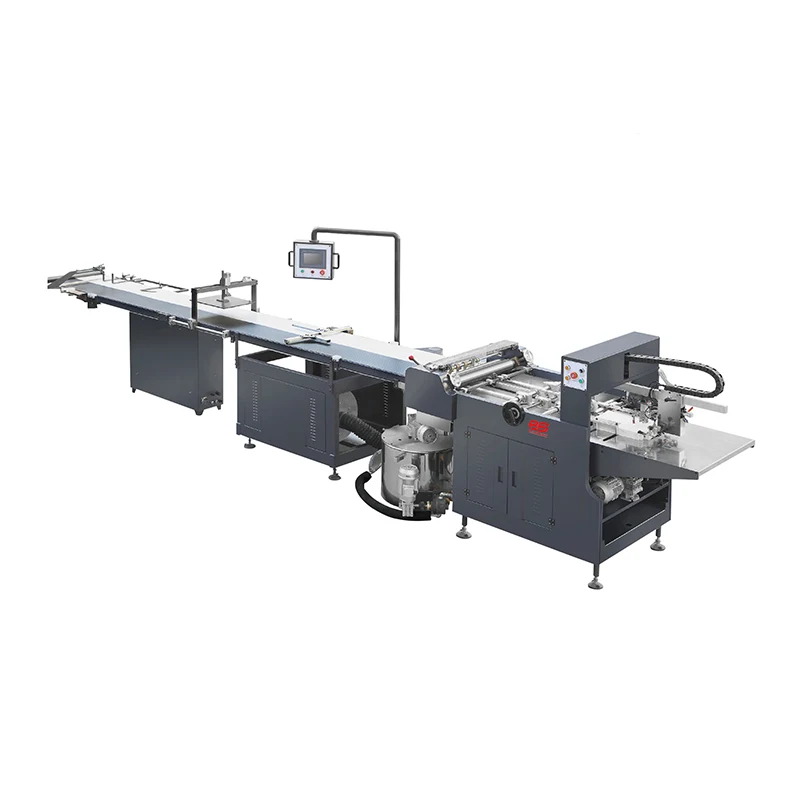
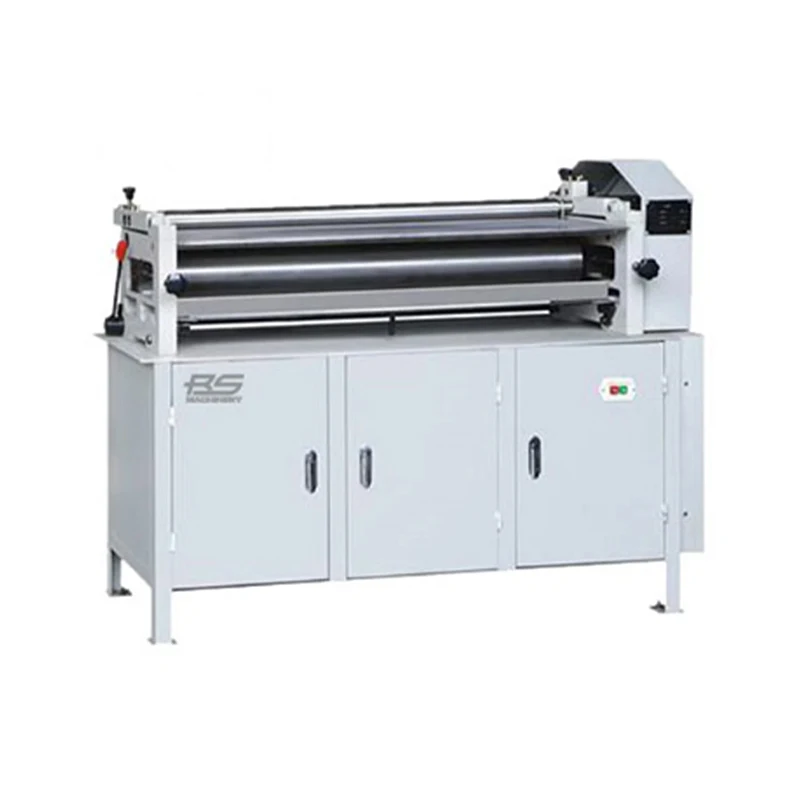
Start with the Realstar RS-650M manual paper gluing machine if a manually fed roller applicator matches the intended workflow. The product page describes paper gluing for packaging, cartons, boxes and covers with adjustable speed. Confirm adhesive compatibility, application arrangement and operating limits with the supplier. Do not infer a heating system or a supported adhesive chemistry from a general description of related equipment.
Preserve evidence before cleaning or changing the recipe
Retain a small set of consecutive numbered sheets showing the problem. Write down whether it appeared at startup, after a pause, after replenishment or gradually during production. Record the adhesive name and lot, paper grade and lot, room conditions and the settings available in the approved operating procedure. If an item is unknown, leave it unknown. A guessed viscosity or temperature is worse than an honest gap in the record.
Ask the operator what changed immediately before the defect appeared. A new printed surface, a different paper lot, a long pause or a replacement consumable may give the investigation a useful direction. The observation does not prove causation. Its purpose is to decide which comparison to make first. Preserve a sample of the previous acceptable material when available, and use it as a control rather than relying on an old photograph alone.
Distinguish adhesive identification from an informal flow check
Use the adhesive supplier’s technical data sheet to establish the appropriate preparation and measurement method. A viscosity value without temperature, method and instrument conditions is incomplete. A quick visual flow check can help an experienced operator notice a change, but it should not be relabelled as a laboratory measurement. Record which method was actually used and compare like with like.
Henkel’s overview of water-based packaging adhesives describes several adhesive chemistries and application-dependent viscosities. It provides useful material context, but it does not establish a recipe for this machine or prove compatibility with your printed stock. Use the technical data sheet for the exact adhesive and obtain confirmation for the actual applicator. The water-based label alone is not enough to identify a validated process.
Do not improvise dilution to make the glue look easier to spread. Ask the adhesive supplier whether any adjustment is permitted, how it should be measured and what properties must be rechecked. If the product has been stored or handled outside its instructions, isolate that material for review. Trialling an unapproved mixture can make the cause harder to identify and can invalidate a comparison with the original adhesive.
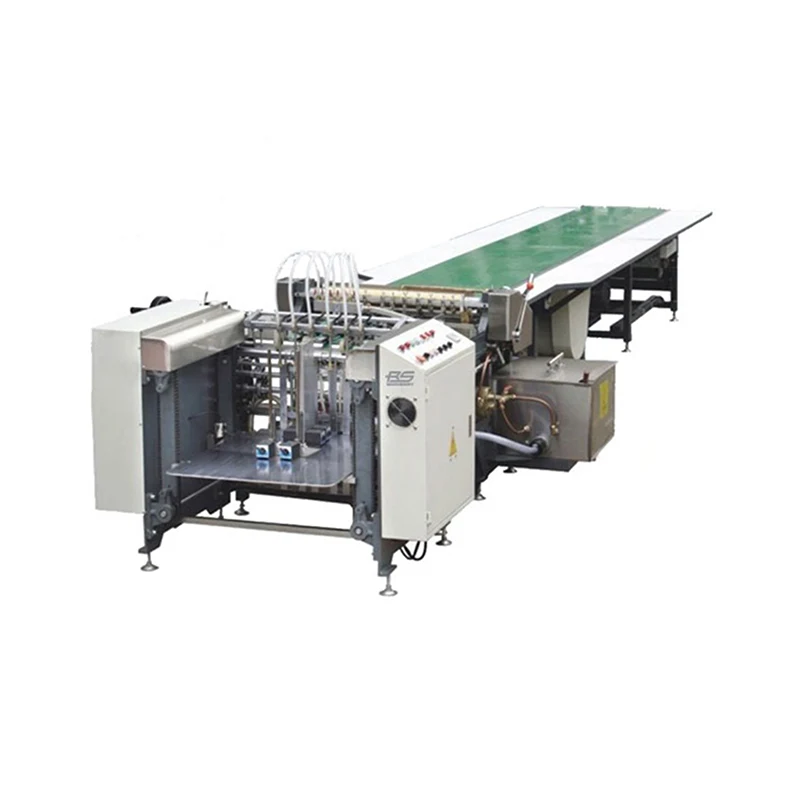
The illustrations below distinguish the manual applicator from separate automatic feeding models. They do not show a measured glue film or prove that a particular adhesive has passed a production trial.
Look for position patterns without reaching into the machine
A stripe that remains in the same cross-sheet position suggests a different investigation from random patches that move between sheets. Record the pattern relative to the machine and to the paper artwork. When safe and approved, a comparison using a different sheet orientation may help distinguish a substrate-related mark from an application-position effect. The supplier should decide whether that comparison is suitable for the job and feeding arrangement.
Inspection of rollers, dosing areas or accumulated adhesive must follow the isolation and access procedure. The HSE guidance for paper converting and finishing machines specifically identifies glue application and roller nips among relevant hazards. It is a safety reference, not permission to copy dimensions or modify guards on another machine. Never wipe, probe or photograph close to moving application parts to obtain diagnostic evidence.
Use a symptom table to choose the next comparison
| Observed pattern | Evidence to collect | Controlled next step |
|---|---|---|
| Dry stripe at a fixed position | Numbered sheets with feed direction and stripe location | Ask the supplier to inspect the isolated application area |
| Heavy coating along one edge | Compare both edges on the same sheet | Verify the approved setup and sheet presentation before changing adhesive |
| Patches after a long pause | First sheets after restart and later steady-run sheets | Review the supplier-approved restart and cleaning procedure |
| Change after adhesive replenishment | Container identity, lot and preparation record | Compare with a retained correctly prepared reference material |
| Good wet coverage but later bond failure | Coated sample plus assembled sample | Investigate assembly timing, pressing and final bonding separately |
| Difference between paper lots | Matched samples with the same machine recipe | Run a documented substrate comparison within approved limits |
The table provides a proposed investigation sequence, not a definitive cause for each mark. More than one factor can produce a similar appearance. Ask for an explanation supported by repeatable samples before accepting a diagnosis. If a change improves one area but creates a new heavy edge or curl problem, retain both observations; the recipe has not yet demonstrated a balanced result.
Check the substrate without assuming every paper behaves alike
Identify the surface that actually receives glue. It may be unprinted paper, a printed coating, a varnished area or another treated face. Keep the intended bonding side clear in the sample record. Ask the adhesive supplier to review the real surface rather than choosing a product from the generic word paper. If the job includes metallic decoration or a coating, include that finished material in the trial.
Use a matched set of sheets when comparing stocks. Keep sheet dimensions, artwork version and handling time as consistent as practical. Record visible dust, curl and damage before application. These observations are not an invitation to apply an unapproved solvent treatment. Any surface preparation must be compatible with the material, the adhesive and the workplace controls. A clean laboratory sheet and a production sheet with normal handling history may give different purchasing evidence.
Keep wet application and final bond checks separate
A visually uniform wet coating does not prove that an assembled product meets its requirements. Continue the trial through placement, pressing, drying or setting as appropriate to the actual adhesive. Record the elapsed time between coating and assembly. Check alignment and appearance before destructive testing so an opened sample does not erase the evidence of where the original problem began.
For rigid-box work, the wrapping bubbles guide covers a different downstream defect. For board laminating, the board-to-board delamination guide concerns separation of the assembled layers. Use those guides after documenting application coverage. They complement this investigation rather than replacing the need to inspect the wet-coated sheet.
Design a short comparison that can answer one question
Write a one-sentence question before changing anything: for example, whether the observed stripe persists after the supplier’s approved cleaning procedure. Keep the paper and adhesive unchanged for that comparison. Number the samples, record the intervention and preserve the first acceptable and first unacceptable sheet. If the stripe disappears, repeat the observation under normal running conditions before concluding that the issue is resolved.
A second comparison may investigate a permitted speed change or another supplier-approved setting. Do not combine that change with a new adhesive and a different paper lot. The goal is not to find one attractive sheet; it is to establish a process that can be repeated and explained. Set the sample count and run duration with the customer according to the risk and product requirements rather than inventing a universal number for every job.
Include chemical handling in the acceptance trial
The HSE printing chemical guidance notes that adhesives and cleaning products can create exposure risks. Review the safety data sheets, approved cleaning agents, ventilation and protective measures for the actual operation. A claim that an adhesive is water-based does not substitute for this review. Keep containers identified and avoid mixing leftover products whose compatibility has not been confirmed.
The WorkSafeBC video below explains guards and lockout in manufacturing. It supports the discussion of safe intervention around application equipment. It does not show an approved cleaning method for the RS-650M and must not be used as its operating manual.
WorkSafeBC: guards and lockout in manufacturing.
Turn the result into a usable production record
Document the accepted adhesive and paper combination, preparation method, approved settings, cleaning and restart procedure, inspection points and final product checks. Include the supplier’s confirmed boundaries. If a certain coated stock was not demonstrated, say so. If an unresolved defect remains, record it and keep the job outside the approved scope instead of describing the trial as universally successful.
A useful inquiry to Realstar includes the actual paper samples, finished surface, sheet dimensions, required workflow, adhesive information and photographs of the coating pattern. Ask for a demonstration that continues through the downstream product, where practical. This gives the supplier a concrete problem to evaluate and gives the buyer evidence for a release decision without making unsupported claims about glue savings, bond strength or production speed.
For the broader equipment context, use the Realstar printing and paper-converting product range to compare the upstream and downstream operations. Ask the supplier to confirm the proposed line configuration rather than assuming that separate machines share one control or acceptance specification.
Frequently asked questions
Should water be added when paper glue spreads unevenly?
Only if the exact adhesive supplier permits it and specifies the method and limits. Record the preparation and repeat the relevant checks. Uncontrolled dilution changes the trial and can obscure the original cause.
Does a uniform coating prove a strong finished bond?
No. Application coverage and final bonding are separate checks. Continue through the intended assembly, pressing and setting process, then inspect the finished product using the customer’s agreed acceptance method.
What should be sent with a gluing-machine inquiry?
Provide the paper and printed surface, sheet dimensions, adhesive identity, intended assembly route and numbered defect photographs. Ask the machine and adhesive suppliers to confirm compatibility and demonstrate the proposed process on representative material.