
Paper cup machine paper feeding problems should be separated into missed pickup, double feeding, skewed transfer and a jam after pickup. Start by identifying the first point where the blank departs from its intended path, then compare material condition, loading and the approved setup against a known good run. Changing several feeder adjustments together hides the cause. This guide provides a practical investigation and trial record for buyers and production teams; it does not prescribe universal vacuum values, timing angles or operating speeds. Those settings depend on the supplied machine, blank construction and manufacturer instructions.
Define the failure before adjusting the feeder
A machine stopping near its inlet does not prove that its pickup mechanism failed. One blank may have entered correctly and then met an obstruction farther along the route. Another may have moved late because it was stuck to the next blank. Record the sequence from the first abnormal event, rather than naming the fault after the final alarm. Observe from a protected position and use only the observation facilities provided by the manufacturer.
Separate sidewall blanks from bottom material in the report. The two streams may be supplied and indexed differently. A problem affecting the sidewall stack is not automatically evidence of a fault in bottom feeding. Identify the model, installed tooling, material lot and precise station before asking for service. A short description such as “two sidewall blanks enter together after replenishing the stack” is far more useful than “paper jams sometimes.”
Keep representative accepted and rejected blanks with their labels. Photograph their edges, surface and flatness away from the moving machine. Note whether the fault begins at startup, follows a stack refill, occurs after a material change, or appears during a long run. These patterns narrow the comparison without assuming a particular sensor, drive or air circuit is defective.
Compare the blank with the approved material
Check the current blank drawing and revision before comparing machine settings. Confirm the die-cut outline, orientation, coating side and material identification against the last approved batch. A visually similar blank can have a different edge profile or surface finish. Do not infer compatibility from nominal paper weight alone. Ask the material and machine suppliers which characteristics are required for the specific cup or bowl construction.
Place a small group of unused blanks on a clean reference surface and compare their tendency to curl, bridge or cling together. Look for damaged corners, loose cutting debris, visibly uneven edges and contamination. Record observations rather than assigning an unsupported moisture limit. Incoming and opened material can behave differently, so keep those samples separate. Never put a damp, visibly damaged or unidentified stack into a trial simply to see whether the machine can overcome it.
The Iggesund Graphics Handbook identifies moisture-related dimensional changes as a converting concern. This supports checking exposure history; it does not establish an acceptance range for a particular coated cup blank. Follow the blank supplier’s storage and conditioning instructions, record when the packaging was opened, and avoid imposing a generic temperature or humidity target on every stock.
Make loading a controlled part of the investigation
Compare stack preparation and refill practice between a good run and a poor run. Confirm that the loading orientation and approved stack height are consistent. Observe whether blanks lean against one guide, whether the top of the pile is uneven, and whether a new stack has been mixed with an older lot. Use the manufacturer’s loading method; do not add improvised weights or force the stack against the mechanism.
If the material supplier permits separation or fanning, carry it out using the specified method without damaging the coating or contaminating food-contact surfaces. Keep the handling method consistent through the comparison. A trial that changes both stack preparation and machine settings cannot show which change helped. Record the responsible operator and the replenishment method so a successful result can be repeated on another shift.
A useful check is to compare material from the same identified lot before and after a normal refill, with the approved recipe unchanged. If the problem follows only one preparation method, investigate that difference before altering timing. If it follows the material regardless of who loads it, retain samples for supplier review. Neither result alone proves that a machine component is sound or faulty.
Use a symptom table to choose the next comparison
The following table is a qualitative investigation aid. Its observations are not automatic diagnoses and its checks must be performed under the supplied operating and isolation procedures. Use the row matching the first event seen, not the appearance of the final pile of rejected material.
| First observation | Comparison to record | Next controlled check | Evidence to retain |
|---|---|---|---|
| No blank leaves the stack | Approved blank lot versus current lot; stack condition | Verify loading and material compatibility before service adjustment | Blank samples and time of missed pickup |
| Two blanks enter together | Separated edges and surface condition; refill method | Repeat with an approved stack preparation method | Both blanks, lot label and refill record |
| Blank enters at an angle | Edge damage, orientation and guide position | Compare alignment with the approved setup drawing | Safe observation notes and rejected outline |
| Blank enters then stops downstream | First contact location and tooling identification | Check the downstream route under isolation | Station name and retained rejected part |
| Fault appears after replenishment | Old and new stack preparation | Repeat refill with the documented method | Refill time, operator and material labels |
Check the machine through the approved service route
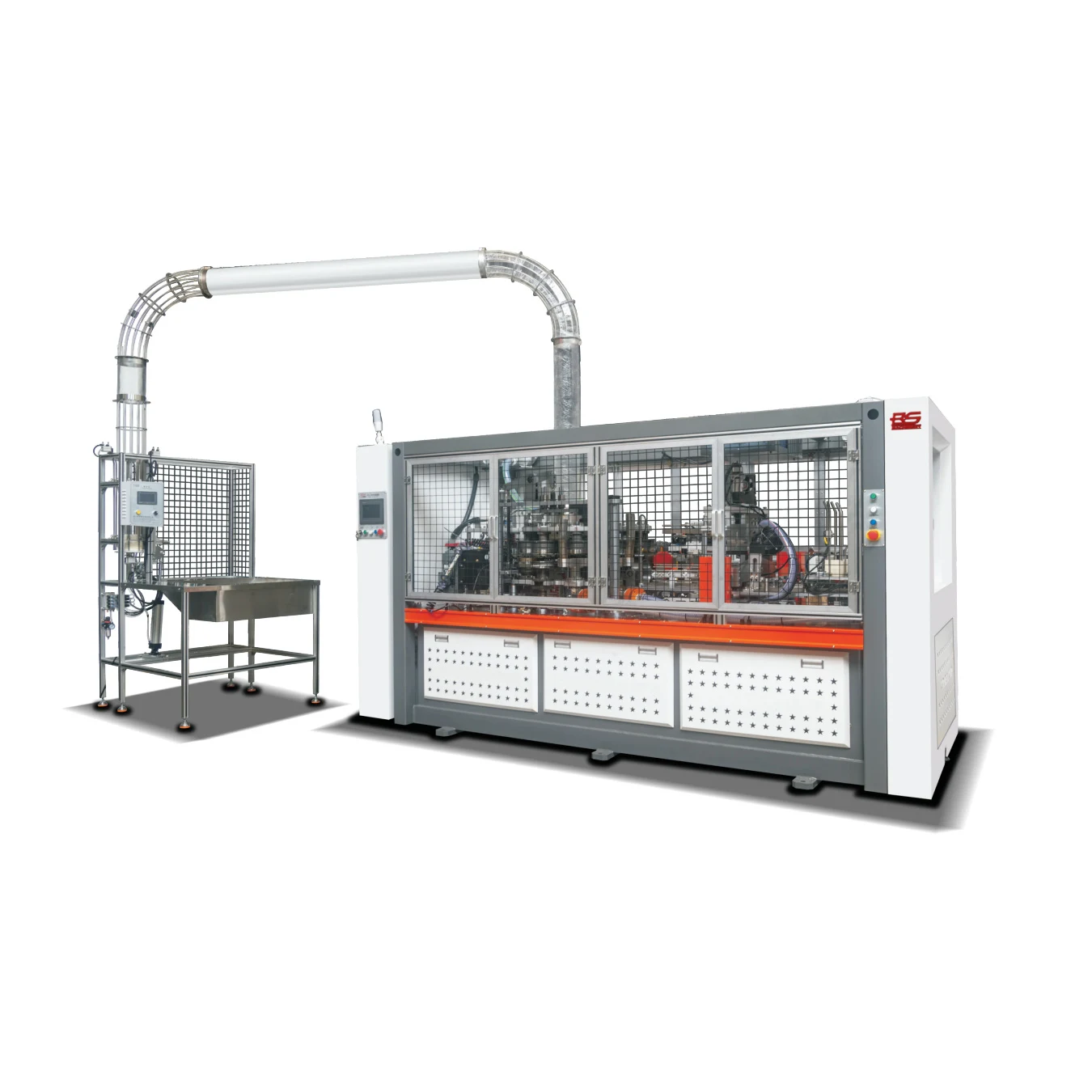
The Realstar paper cup and bowl machine page provides the equipment context for discussing feeding, forming and the associated transmission. Treat that page as a starting point for a supplier conversation. It does not replace the operating manual for the delivered machine, and photographs do not establish the settings or accessories installed on your line.
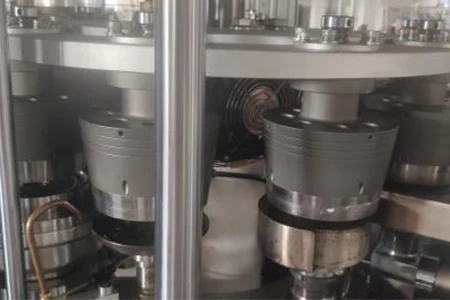
Inspect accessible pickup surfaces and the paper route only as instructed, with the machine in the condition required for that task. Where the system uses pneumatic pickup, service personnel may need to verify the relevant supply, leaks and pickup components. Where a different mechanism is fitted, use its own inspection procedure. Do not assume that a suction adjustment from another model is appropriate, or compensate indefinitely for a worn or damaged part by increasing a setting.
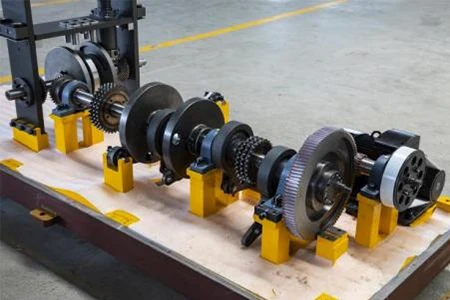
Timing checks need the correct model documentation and trained personnel. A sidewall blank arriving late can look like poor pickup even when the initial separation is consistent. Compare the event sequence with the approved operating cycle, including any downstream stop conditions. Record the actual service finding and the changed part or parameter. “Timing checked” is not a useful maintenance record unless it states what was compared and what evidence supported the conclusion.
Run a trial that distinguishes improvement from coincidence
Begin with the current approved recipe and a clearly identified material sample. Define the observation period and acceptance conditions before the trial. The sample size should reflect the fault frequency and production risk; a very short run can miss an intermittent problem. Record attempted cycles, accepted pieces, each failure type and the point of occurrence. Do not present an arbitrary trial length as an industry standard.
Change one authorized variable at a time and record the previous and new value with its units. Use only adjustments permitted by the manufacturer. Repeat the comparison under similar loading conditions, then check whether the improvement survives a normal refill and restart. If an intervention changes several items because a damaged assembly must be replaced, document the package of changes and avoid claiming that one setting alone caused the improvement.
Feeding acceptance should include the condition of the formed output. A blank that transfers without stopping may still be creased, scuffed or misregistered. Check the downstream inspection criteria and retain samples. For a complementary quality check, use the paper bowl bottom leak testing plan; reliable feeding and a sound finished seal are separate acceptance questions.
Keep intervention safety separate from production pressure
The HSE printing machinery safety overview highlights risks during setting and blockage removal. Use a task-specific safe system, effective guarding and the isolation required by your workplace and machine instructions. Never reach into moving feeding or transmission parts to discover which blank is sticking. A stop button is not a substitute for the required isolation and verification procedure.
Watch WorkSafeBC guards and lockout training on YouTube.
WorkSafeBC’s training video explains guards and lockout in manufacturing. It supports the intervention planning in this section rather than demonstrating the Realstar feeder or prescribing a cup-machine setup. Supervisors should translate the general lesson into the authorized procedure for the installed machine and the applicable workplace requirements.
Give the supplier an evidence package that can be acted on
Send the machine identification, blank drawing revision, material lot, last approved setup and a clear account of the first fault. Include photographs taken safely, representative samples and a trial log showing exactly what changed. Ask which material checks and service steps should be completed before replacing components. Request acceptance criteria for the agreed trial, including restart and replenishment behavior, rather than asking for an unsupported promise of trouble-free operation.
If blanks are prepared upstream, the die cutting, stripping and blanking guide helps define which preparation stage supplied them. The paper food box forming trial guide offers a related way to structure material and output approval, although its forming process is different. Map the whole route through the Realstar packaging equipment range before deciding that every feeding complaint needs the same remedy.
Frequently asked questions
Should vacuum always be increased when blanks fail to feed?
No. A missed transfer may involve material condition, loading, contamination, timing or a downstream obstruction. Identify the first abnormal event and follow the supplied inspection procedure. Change a pickup setting only when it is appropriate to the installed system and permitted by the manufacturer.
Can a successful short run prove the feeding problem is fixed?
A short run can show an improvement under those conditions, but it may miss a fault associated with replenishment, restarting or a particular material lot. Agree an observation period and acceptance criteria that reflect the actual problem, then repeat the relevant transitions before closing the issue.
Which samples should be retained for a feeder investigation?
Retain accepted and rejected blanks, their material and drawing references, and examples representing each observed fault. Keep samples from different lots or handling conditions separate. Record where and when each was taken so the supplier can connect the physical evidence with the trial log.