
Paper gluing adhesive viscosity should be measured with a defined method before readings are used to accept a batch or adjust a process. Record the adhesive identity, sample temperature, instrument, measuring configuration and reading time. A number without those conditions cannot reliably show whether today’s adhesive matches an approved reference. First confirm the adhesive chemistry and the machine’s requirements; a procedure developed for a cold water-based dispersion must not be applied unchanged to a heated glue system. Use the supplier’s documented limits and validate the resulting bond on the actual paper.
This guide focuses on comparable measurements and production decisions. It does not provide a universal viscosity target, dilution ratio or tank temperature. Those values belong to the selected adhesive, application equipment and approved job specification.
Define which adhesive and process are being measured
Start with the product name, batch number, technical data sheet and safety information. Identify whether the material is supplied ready to use or prepared on site. Record the preparation instructions and any authorised additions. A batch mixed from powder, a water-based dispersion and another heated adhesive can require different sampling and testing arrangements.
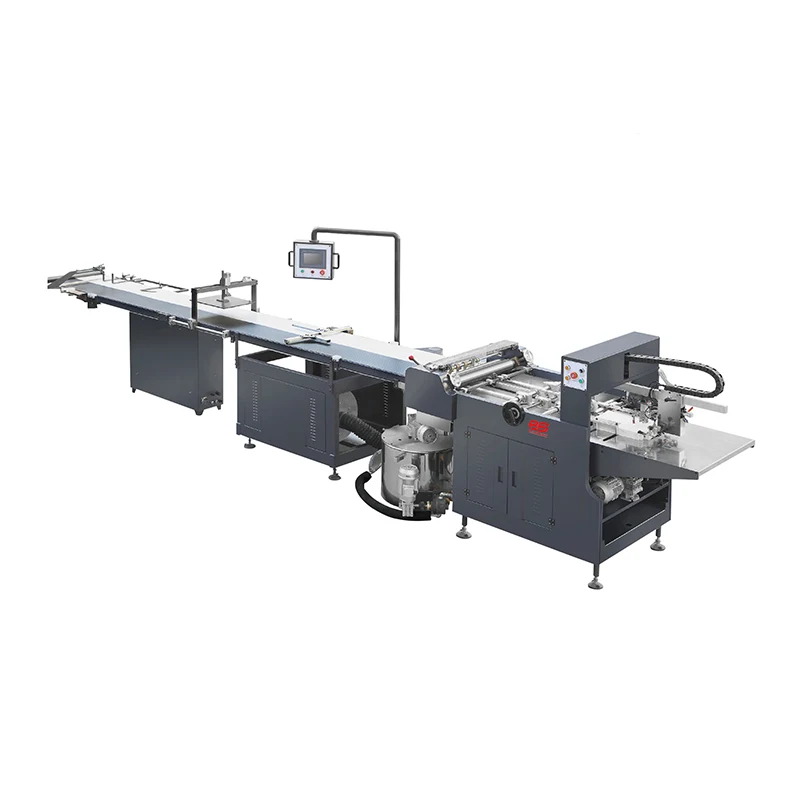
The Realstar RS-650AB front suction feeding gluing machine is an equipment reference for paper gluing. Its published description includes a temperature-controlled glue tank and heat-fused adhesive preparation. That does not establish compatibility with every adhesive discussed in general paper-converting literature. Ask Realstar and the adhesive supplier to confirm the intended combination and test method before a trial.
For the broader application and bond investigation, see board-to-board pasting delamination. A viscosity result supports that investigation but does not replace a finished assembly check.
Use technical references within their actual scope
Billerud’s paper sack adhesive seminar describes viscosity as resistance to flow and discusses composition, dilution, temperature, shear, time and measuring equipment. Its application is paper sack bonding. The useful general lesson is to keep measurement conditions traceable; its formulations and preparation instructions are not recipes for a rigid-box gluing machine.
Brookfield’s viscosity guidance explains the importance of temperature and the relationship between instrument configuration and usable measuring range. Apply the instructions for the actual instrument, accessory and sample. A reading taken outside the suitable operating range should not be accepted just because a number appears on the display.
These references help establish questions for a supplier-approved procedure. They do not prove that a particular adhesive will coat well, remain open long enough for assembly or develop the required final bond on your job.
Write a sampling procedure that another shift can repeat
Identify a safe, approved sampling point. Describe whether the sample represents a new container, a prepared batch or adhesive already circulating through an application system. Keep these categories separate in the log. Otherwise, a difference between incoming and in-process adhesive may be mistaken for a failed delivery.
Use clean, suitable sampling containers and follow the adhesive supplier’s instructions for preparation, handling and disposal. Record the sampling time and any relevant preparation history. If the method includes mixing, resting or temperature conditioning, specify it rather than leaving it to the operator’s preference. Avoid introducing an improvised stirring procedure simply to make two readings agree.
Label the sample with enough information to trace it back to the job and batch. Record who collected it and whether there were unusual observations such as visible contamination or an unexpected surface condition. Those observations are reasons for review, not permission to filter, dilute or heat the batch without an approved instruction.
Make the measuring conditions explicit
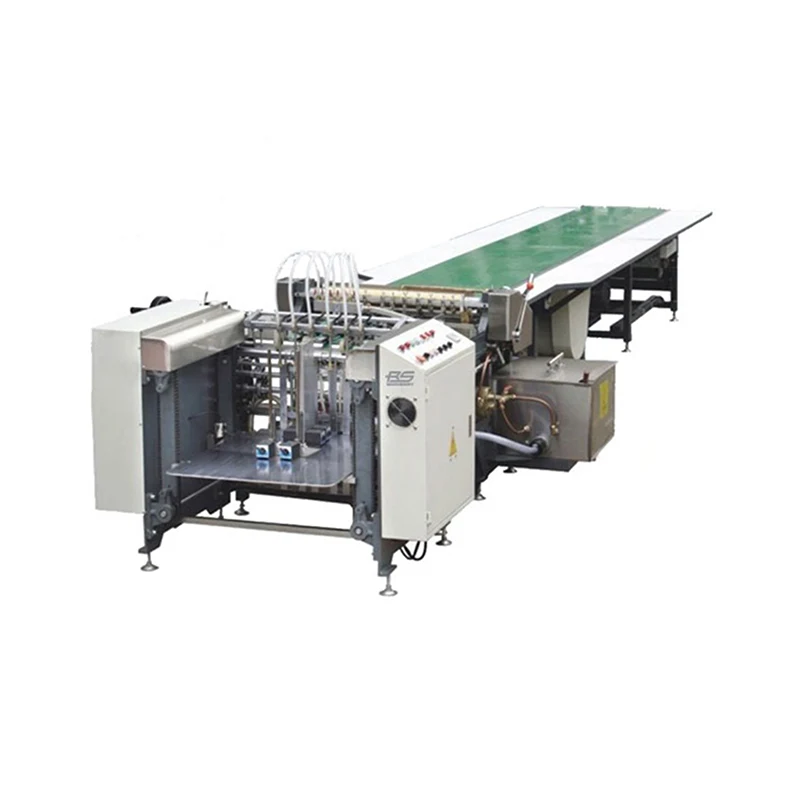
The separate rear suction feeding gluing machine shown is an alternative equipment arrangement. It illustrates why the machine identity should appear on the trial record. It is not evidence that the same application or sampling procedure applies to both configurations.
For a rotational instrument, record the model and the measuring configuration required by the method. Include the spindle or accessory, speed, container and sample temperature. Define when the reading is taken and how repeat measurements are performed. Follow the instrument manual for setup and checks; do not infer that two instruments produce interchangeable results from their display units alone.
If an approved method uses an efflux cup, identify the cup and the procedure. A time measured with one cup is not automatically equivalent to a rotational viscosity value. Keep the original result and unit rather than converting it with an unrelated chart. Ask the supplier to resolve differences between its certificate method and the factory’s routine method.
A practical measurement and release record
The table below is a proposed record structure, not a set of adhesive limits. Complete it using the approved technical data and the factory’s validated procedure.
| Record field | What to write | Decision it supports |
|---|---|---|
| Adhesive identity | Product, batch, supply form and data-sheet revision | Confirms the correct material and instructions |
| Sample origin | Container, preparation tank or approved process sampling point | Separates incoming quality from process history |
| Preparation history | Authorised mixing, additions and timing | Makes the tested condition traceable |
| Temperature | Actual sample temperature and method requirement | Shows whether results can be compared |
| Instrument setup | Model, spindle or cup, speed where relevant and container | Identifies the measuring method |
| Reading sequence | Elapsed time, repeat results and original units | Reveals inconsistent sampling or testing |
| Production evidence | Paper batch, application observations and bond samples | Connects the number with the finished result |
| Disposition | Accepted, held or supplier review with named authorisation | Prevents an unexplained reading from becoming an uncontrolled adjustment |
Do not overwrite a failed or questionable reading with the repeat value. Retain both and explain why the repeat was necessary. An original result can reveal a method problem that would disappear from an edited log.
Investigate a changed reading before modifying the glue
First compare the current test conditions with the approved reference. Was the same method used? Was the sample taken from the same type of location? Was the temperature within the method requirement? Was the correct configuration entered? Have the instrument checks been completed? Resolve these questions before concluding that the adhesive formulation changed.
Next check identity and preparation records. Look for a different batch, a new product revision or an undocumented addition. Ask the adhesive supplier to review the actual record rather than reporting only “too thick” or “too thin.” Include the original readings, units, temperature and sample history. Preserve a sample when the approved procedure and material stability allow it.
Do not add water merely to bring the displayed value into a familiar range. Dilution can change the supplied composition and application behaviour, and some systems are not intended for such adjustment. Any permitted addition should have written limits, a controlled method and a recorded authorisation. If the correct action is uncertain, hold the material rather than making several unrecorded changes.
Validate coating and assembly separately
An accepted viscosity measurement does not by itself prove that the coating is even. Inspect the applied layer using the approved job method and retained samples. Record whether the observation is consistent across the sheet and whether the fault appears immediately or after the process has been running. Keep the paper identity, machine setup and sample sequence attached to the same trial.
For that separate diagnosis, use uneven glue coating on paper. A coating defect can require checks beyond the adhesive measurement. Avoid adjusting an application mechanism and changing glue preparation at the same time unless an authorised trial plan specifically requires it.
Then assemble representative pieces and assess the bond after the specified conditioning or cure period. Check appearance and the intended use requirements as well as the bond result. For water-based processes where applicable, paper gluing open time addresses a different question: whether the assembly reaches the next step within its validated window. Do not treat viscosity, open time and final bond strength as interchangeable tests.
Plan safe sampling, cleaning and restart
Sampling should use a designated method that keeps people clear of rollers, moving parts and hot surfaces. If access, cleaning or maintenance requires entry into a danger area, use the machine-specific hazardous energy procedure. Chemical handling also needs the material’s safety instructions and the site’s risk assessment.
CCOHS lockout guidance explains the distinction between stopping equipment and controlling hazardous energy. The required isolation, stored-energy precautions and verification must be established for the actual installation. A viscosity check is not a reason to bypass a guard or reach into an operating glue application section.
WorkSafeBC: guards and lockout in manufacturing.
The WorkSafeBC video provides background on guards and lockout for this intervention stage. It is not an adhesive test tutorial or an operating procedure for the equipment pictured here.
Transfer the approved method into the production job
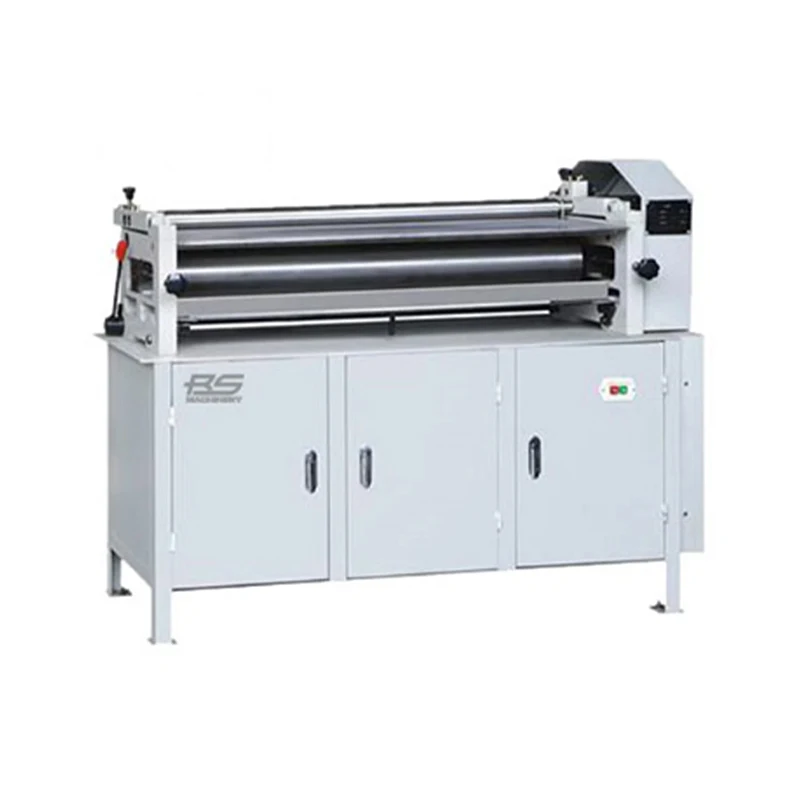
The RS-650M manual paper gluing machine is a separate equipment example. A manual application workflow still needs identified adhesive and repeatable quality checks. Its photograph does not establish the instrument settings or adhesive chemistry for a specific order.
Before approving production, agree who owns the measuring method, who reviews questionable results and who can authorise material changes. Give each job a link to the current method and adhesive specification. Retain the accepted measurement record alongside the coating and bond samples, including the paper batch and assembly conditions.
At shift handover, state whether the adhesive is accepted, held or under investigation. Include the next required check and the person responsible. That simple disposition prevents a second team from repeating an undocumented adjustment. When a trial becomes the approved process, update the job record with the final method rather than leaving the decision in a temporary note.
Frequently asked questions
What viscosity should paper gluing adhesive have?
There is no universal target. Use the selected adhesive supplier’s specification with its stated measuring method, and confirm suitability for the actual machine, paper and assembly process through an approved trial.
Can two viscosity readings be compared if their temperatures differ?
They should not be treated as equivalent without a validated method that accounts for the difference. Record the actual temperatures and repeat under the approved conditions before deciding that the batch has changed.
Does a passing viscosity result prove the paper bond is good?
No. It confirms only the result of the specified measurement. Coating uniformity, assembly timing and the finished bond still need their own acceptance checks on representative production material.