
Die cutting waste handling should be planned as a complete route from the stripping point to an approved collection destination. Define how scrap is contained, when containers are changed, how dust is assessed, and how people clear and restart the equipment safely. A clean-looking machine at the start of a shift does not establish that the route will cope with the job’s actual waste. Qualify the arrangement with representative material, and assign responsibility for collection and exceptions before releasing the production run.
This guide addresses the handling workflow around paperboard scrap. It does not provide an extraction design, a dust exposure limit or a machine-specific isolation procedure. Obtain those from competent specialists, applicable local requirements and the actual equipment instructions.
Map the scrap separately from accepted blanks
Identify where waste leaves the process and where it can collect before reaching a container. Distinguish large outer frames, small internal pieces and fine loose material. Record whether the job includes coatings, adhesive or other components that affect the receiving waste stream. A recycler’s acceptance of clean board does not automatically cover every printed, laminated or contaminated construction.
Mark the accepted-product route separately from the waste route. Keep the position of bins and handling equipment consistent with the approved layout, including access needed for servicing. During a trial, observe whether scrap can fall back onto blanks, collect at a transfer or enter an area where someone might be tempted to retrieve it while machinery is moving.
Match the collection plan to the job
Estimate the expected waste pattern from representative sheets rather than simply borrowing the bin-change frequency from a different format. Large light frames can fill a container differently from compact pieces. Record actual container changes during the trial, then use the observations to set a practical inspection and collection routine.
Do not extend a run merely because another department has not collected a full bin. Define what the operator must do when the receiving system is unavailable. If the approved process requires stopping, the production plan should allow that stop. Pushing scrap into an improvised gap or piling it beside a protected access point creates a new arrangement that has not been reviewed.
Separate large-scrap control from dust control
Visible offcuts and airborne dust are different problems. Collecting the former does not establish control of the latter. HSE’s paper-industry dust guidance recommends assessing exposure and selecting suitable controls. It also warns that compressed-air cleaning can increase dust exposure. This is general UK guidance; obtain an assessment appropriate to the materials, work and jurisdiction at your own site.
The practical implication is to describe what the collection system is intended to handle. If extraction is proposed, a competent designer needs the actual process information and must verify the installation. Do not infer a required airflow from a photograph or assume an ordinary vacuum is suitable for every dust. Include the cleaning task itself in the assessment, because changing containers and disturbing deposits can create a different exposure from normal running.
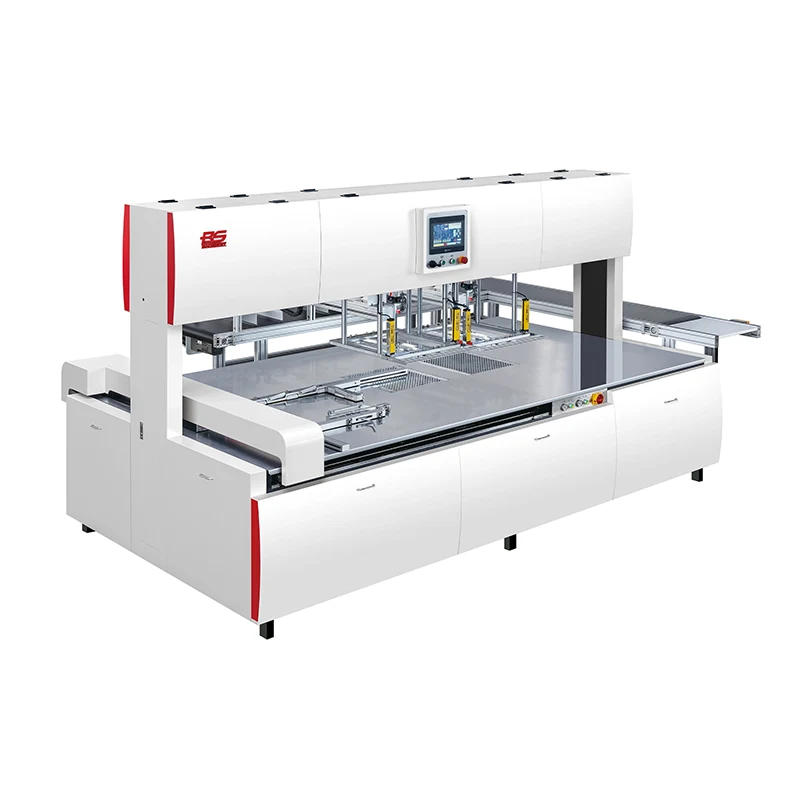
The TM-DR double-head stripping machine shown above is a separate Realstar alternative. The image is a product reference, not evidence of an integrated extraction system, a particular collection accessory or a dust-control performance rating. Confirm the configuration and interfaces with the supplier for the intended job.
Define inspection points that can be checked safely
Use the machine manual and a reviewed layout to choose accessible inspection points. The table below is a suggested planning checklist. It provides questions to resolve, rather than numerical acceptance limits or permission to approach moving components.
| Part of the route | Question to resolve before production | Record to retain |
|---|---|---|
| Waste exit | Where should each waste fraction leave the machine? | Approved route and representative scrap sample |
| Receiving container | Can scrap enter without overflowing or blocking access? | Container identity and reviewed position |
| Container change | Who changes it and when must the machine stop? | Authorized sequence and collection responsibility |
| Dust controls | Has exposure and the cleaning method been assessed? | Assessment and required control checks |
| Blocked transfer | Who can clear it and what isolation is required? | Machine-specific safe work procedure |
| Restart | How are guards, route and first blanks checked? | Restart checklist and retained first-off sample |
During the trial, record the location and character of any accumulation. A photograph taken from a safe position can be more useful than a vague note saying “waste problem.” Link the observation to the job, material and operating state. This makes it possible to distinguish a recurring route restriction from an isolated damaged sheet.
Plan container changes as part of production
Provide a clearly identified replacement container and an approved handling method. Check access for the people or equipment making the exchange, including interactions with pallet movements nearby. Avoid an arrangement that requires a worker to twist, reach across a barrier or lift an unpredictable load of loosely packed scrap.
Workplace Safety North’s converting ergonomics guide identifies manual handling and awkward work positions as relevant risks around rotary die-cutting operations. Its recommendations support reviewing the handling task; they do not certify the layout of a different stripping machine. Assess the actual container, load, travel route and work position rather than copying a dimension from a general example.
For example, a trial may run acceptably until the first bin change. If scrap then falls onto the floor while the replacement is being fetched, the initial trial did not establish an effective collection routine. Record that transition as part of the trial, assign the missing responsibility and retest the revised arrangement before treating continuous production as qualified.
Respond to a blockage through an approved procedure
Specify the stop condition and escalation route before a blockage occurs. Operators should know whom to contact and what they may inspect from outside the guarded area. A repeated blockage requires investigation of its cause and the approved configuration, rather than repeated improvised clearing as a normal production task.
The HSE equipment-maintenance guidance explains why access, unexpected start-up and stored energy must be controlled during planned or corrective work. Follow the actual machine-specific procedure with authorized competent people. An emergency stop is not, by itself, a complete isolation plan. Do not remove a guard or reach into a waste outlet because the visible cutting movement has stopped.
WorkSafeBC: guards and lockout in manufacturing.
This WorkSafeBC educational video explains manufacturing guards and lockout. It supports the safe-access section of the workflow. It does not demonstrate clearing this Realstar model or replace the installed machine’s instructions, site training or verification of isolation.
Restart with both product and waste checks
After the authorized work is complete, follow the approved return-to-service sequence. Check that people, tools and loose material are clear, guards and controls are restored, and the receiving route is ready. Communicate the restart to those affected. Where the procedure requires a controlled test, use the defined method and responsible person.
Inspect the first accepted blanks and the renewed scrap flow. A cleared outlet does not establish that the preceding sheets were good, so identify and segregate material produced during the affected interval. Record the last known acceptable inspection and the first approved restart sample. Let the quality process decide the disposition of intervening work rather than returning it to good stock without examination.
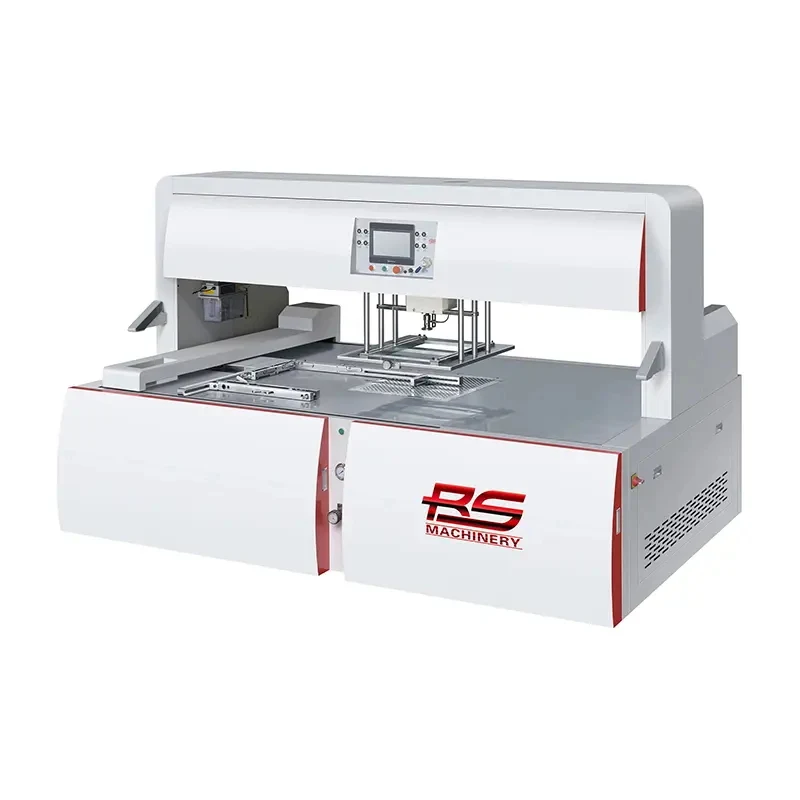
The TM-S single blanking and stripping machine is shown as a separate process alternative. Collection and restart arrangements need to be checked for each installed machine. A procedure qualified on another model should be reviewed against the actual guarding, access and waste interfaces before it is adopted.
Connect the handling plan to the correct process
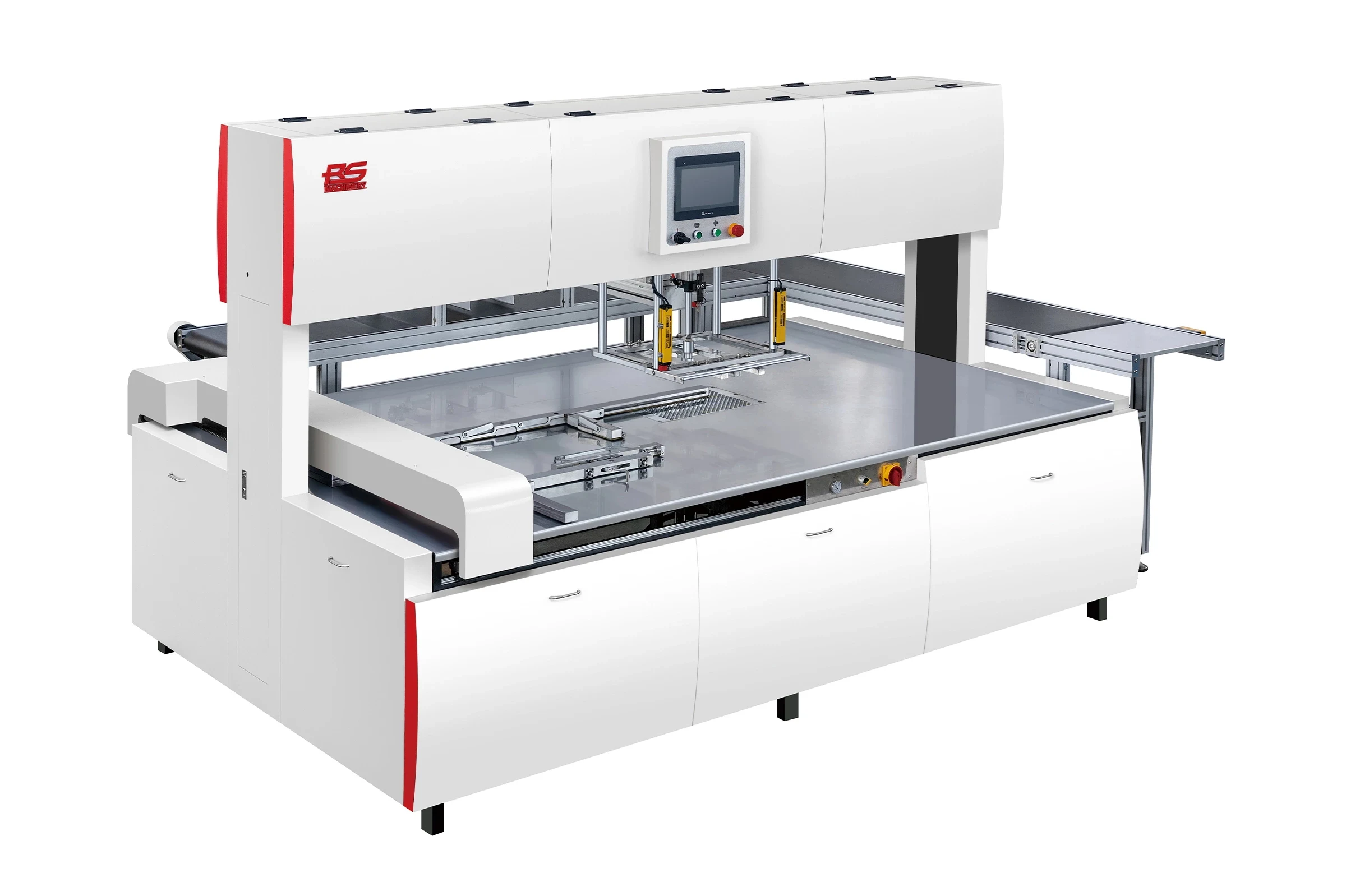
The TM-SR single-head automatic stripping machine is a relevant Realstar product reference. Send the supplier representative die-cut sheets, an explanation of the required waste removal and the proposed collection route. Ask which interfaces and accessories are included, which are optional, and what must be coordinated with other equipment or specialists.
For process terminology, review the guide to die cutting, stripping and blanking differences. If a recurring scrap pattern appears related to the cutting job, keep the separate investigation of die-cut carton nick marks with the quality record. For stock presentation and handling planning, the paper pile lifter selection guide addresses an adjacent task without treating a lifter as a waste-control device.
Keep a shift handover that explains exceptions
Record the current job, material, approved route, container-change responsibility and any unresolved restriction. Include the condition of required controls and the status of held product. A short handover should let the next shift see whether production may continue or whether a responsible person must release an outstanding issue.
Review the plan when the format, material, speed, collection destination or equipment arrangement changes. Retain observations from normal running and transitions, including startup, container change and shutdown. These records help a supplier or specialist resolve the actual constraint without assuming that a faster machine or larger bin will solve every collection problem.
Frequently asked questions
Does collecting visible offcuts prove dust is controlled?
No. Large scrap collection and airborne dust control require different checks. Assess the actual exposure and cleaning tasks, then have competent people select and verify suitable controls for the site and material.
Can operators clear scrap through an open guard after stopping?
Only follow the machine-specific approved access and isolation procedure with authorized people. A stopped visible motion does not establish that all hazardous energy is controlled or that unexpected movement is prevented.
What should be checked after a waste blockage is cleared?
Follow the approved return-to-service sequence, confirm the waste route is ready and inspect the first blanks and scrap flow. Identify material from the affected interval and retain the restart sample and disposition record.