
Paperboard acclimatization before converting means bringing protected stock into the conditions required for the next operation before opening and processing it. Keep moisture-resistant packaging intact, follow the board supplier’s handling instructions, and release each identified pallet against documented checks. A fixed overnight wait is not a reliable rule for every load: the starting conditions, package size and material matter. For a packaging converter, the practical objective is a stable, traceable input for cutting, pasting or case making, rather than an arbitrary number of hours in a staging area.
This guide describes a suggested release workflow. It does not prescribe a universal moisture percentage, climate target or heating method. Use the current instructions for the actual grade and involve the material supplier when a pallet has been exposed or damaged.
Separate temperature equalization from moisture correction
Temperature equalization of a wrapped pallet is different from deliberately changing the moisture content of exposed sheets. Do not remove the wrapper simply to make the stock warm faster. In its general technical information, Holmen explains that packaging should remain in place until the board reaches the converting environment’s temperature; cold stock exposed to warmer air can take up condensation. Its recommendations apply to the supplier’s stated products and conditions, rather than every possible board construction.
A converter should therefore ask two separate questions: has the protected load reached an acceptable condition for opening, and has its previous exposure already affected its fitness for the job? Waiting in the production room may address the first question without resolving the second. Water damage, a broken wrapper or established deformation requires a disposition decision, not automatic release when a timer expires.
Identify the pallet before moving it
Record the purchase order, grade, supplier lot, pallet reference, quantity and intended job. Photograph damaged packaging before disturbing it. Label the load with its arrival time, previous storage area and destination. When the supplier provides a handling chart, retain the relevant version with the job record so a later investigation can reconstruct the release decision.
Keep potentially affected stock separate from unopened, undamaged stock. Avoid combining loose sheets from several pallets into one unmarked pile. That shortcut makes it difficult to determine whether a subsequent feed problem followed a particular material lot, an exposure event or a machine setup. Identification should remain attached when a pallet is split, cut down or transferred to another department.
Build staging into the production schedule
Reserve a protected location that allows safe handling and does not obstruct an aisle or emergency access. Agree who moves the pallet, who checks it and who authorizes opening. If the staging area has different conditions from the converting room, record that difference and consult the supplier about the appropriate sequence. A warehouse arrival timestamp alone cannot demonstrate time spent in the intended environment.
The production planner should schedule the release check before the machine is waiting for material. If the pallet does not qualify, use an already approved alternative or reschedule the work. Opening questionable stock under time pressure merely moves uncertainty into the converting operation, where lost sheets and repeated adjustments are harder to distinguish from equipment problems.
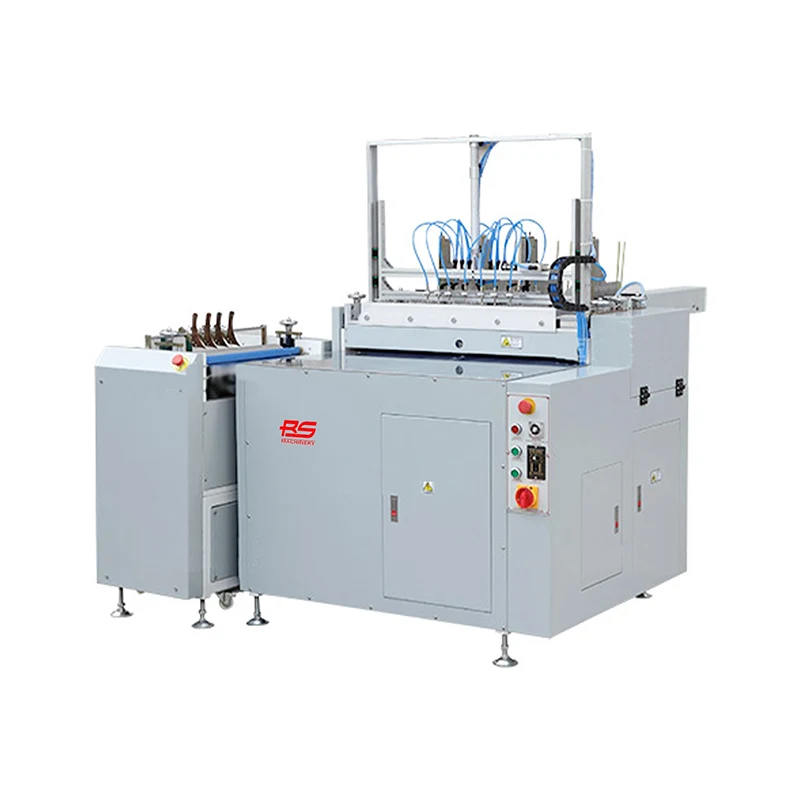
The separate RS-800S case maker shown above illustrates a downstream operation that also needs identified material. It is not an acclimatization device, and the photograph does not demonstrate any conditioning capability.
Use a release checklist with specific evidence
The following table is a suggested record structure, not a specification. Set acceptance criteria with the board supplier and your quality team. Where temperature or humidity measurements are required, define the approved instrument and sampling method before relying on readings. A surface reading is not automatically evidence about the whole pallet.
| Check | Record to keep | Reason to hold the pallet |
|---|---|---|
| Identity | Grade, lot, pallet reference and destination job | Material cannot be traced to the order |
| Packaging | Condition of wrapper and visible exposure history | Wet, torn or unexplained packaging damage |
| Environment | Storage and converting conditions recorded by approved method | Conditions outside the supplier-approved process |
| Time and measurement | Staging start, release time and required readings | No evidence that the defined opening condition is met |
| Opening inspection | Representative sheets, flatness and visible condition | Deformation, dampness or inconsistent sheets |
| Trial conversion | Accepted samples and agreed job checks | Feed or finished-part results fail the job criteria |
This checklist translates supplier guidance into a local release decision. Do not turn an unverified reading into a pass by rounding it or changing a limit after seeing the result. If a criterion is unclear, hold the stock and resolve the criterion with someone authorized to make the decision.
Open only the material the operation needs
Prepare the machine, job paperwork and receiving surface before removing protection. Keep the remaining load protected according to the supplier’s instructions, and mark the opening time on the split-pallet label. Avoid placing good stock next to open doors, localized heaters or other conditions that differ markedly from the approved staging area.
Sappi’s paper conditioning guidance describes paper’s response to environmental moisture and recommends retaining original protective packaging during acclimation. It also discusses protecting unused and intermediate stock. These are useful handling principles; Sappi’s grade-specific examples should not be copied as universal settings for an unrelated paperboard or laminated construction.
Check conversion before committing the whole load
Use representative material for an agreed first-off trial. Record the pallet reference alongside the machine setup so later sheets can be compared with the approved sample. Check the dimensions and appearance that matter to the job, and examine whether feeding is consistent. Avoid changing several equipment settings simultaneously while investigating a suspect material condition.
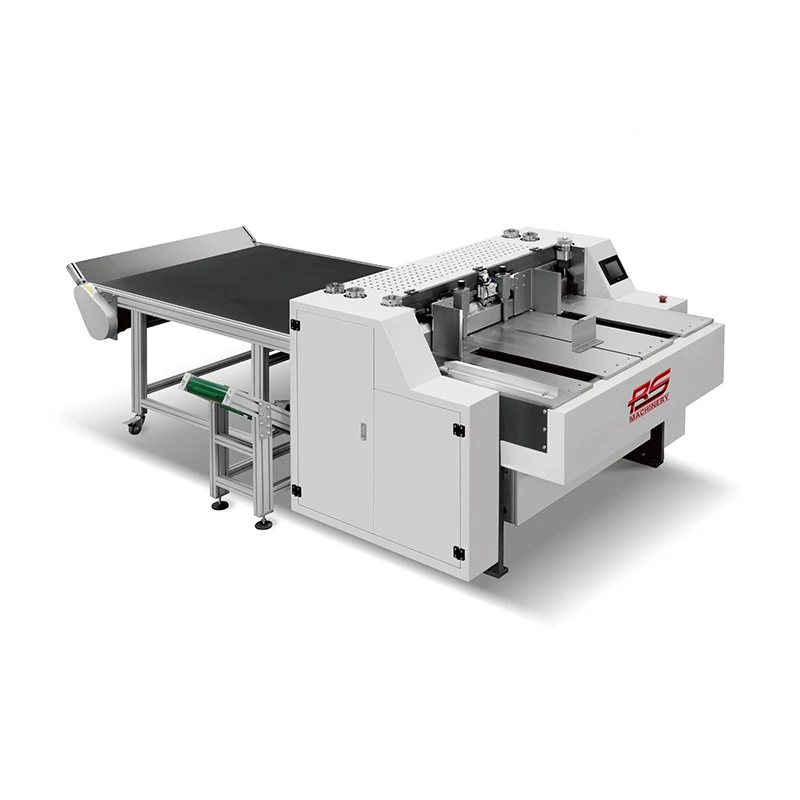
For cutting, the RS-KL1300 cardboard cutter is a relevant Realstar product page to discuss with the supplier. This article does not claim that the machine corrects moisture imbalance or accepts every grade. Continue dimensional control with the separate guide to cardboard cutting squareness inspection; acclimatization approval and cutting accuracy approval are separate records.
For example, a plant might receive an intact pallet for a short case-making run while another pallet has a damaged corner wrapper. The intact load follows the normal documented release process. The damaged one is held for inspection and a material disposition. Giving both the same arrival timestamp does not justify treating them as equivalent, even if they share a grade and purchase order.
Protect work between converting stages
Transfer the pallet identity to any intermediate pile. State which operation has been completed, when protection was removed and what remains to be done. A board that passed the first release check can still experience uncontrolled exposure while waiting for printing, pasting or assembly. Include planned overnight holds and weekend interruptions in the handling procedure.
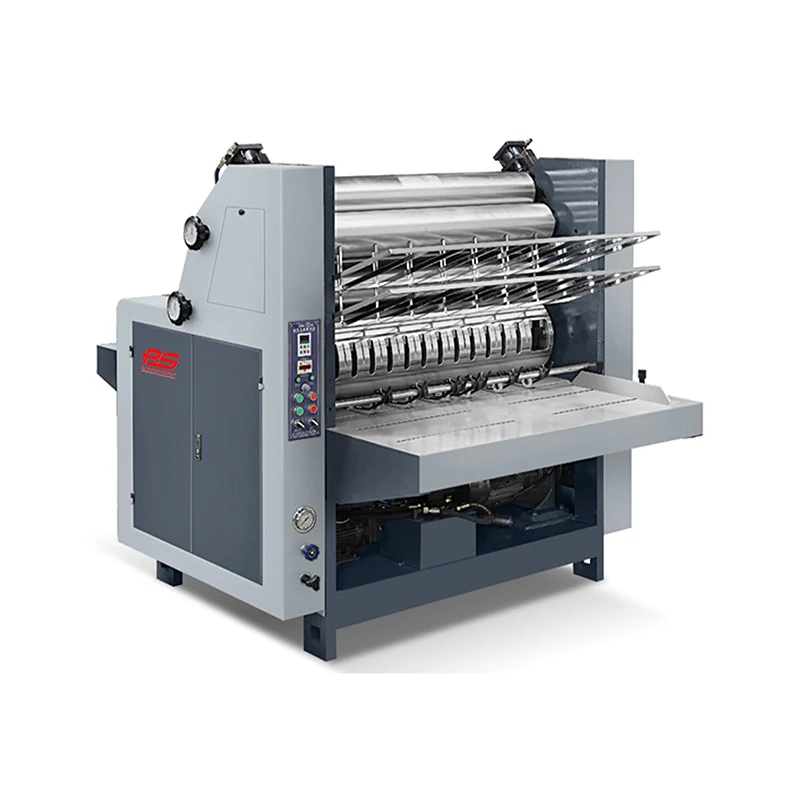
The KFMJ-1000D board-to-board pasting machine is shown as a separate process example. Where a construction is pasted, record the identities of both components and follow the adhesive and material suppliers’ instructions for handling the assembly. Do not assume that a stable incoming sheet proves the completed laminate will stay flat under every later condition.
If a job develops deformation after pasting or wrapping, use the existing guide to rigid-box greyboard warping to organize the investigation. For assembly planning, the rigid-box changeover checklist helps keep material release separate from mechanical setup and sample approval.
Handle exceptions without improvised heating
Do not use a space heater, compressed air or an unapproved drying cycle as a quick substitute for the supplier’s process. Record the visible problem and the exposure history, then seek a grade-specific recommendation. A material supplier may request samples or additional measurements before deciding whether the stock can be used, reworked or returned.
Make the hold physically clear. Use a label that states the reason and identifies who may release it. If only part of a pallet is accepted, identify the accepted portion separately rather than leaving one ambiguous label on the original load. A short, explicit exception record is more useful than a general note saying the paper was “conditioned.”
Plan safe access for inspections and adjustments
Arrange measurements and sample handling so operators do not enter hazardous machine areas or reach around moving equipment. Follow the site’s approved isolation procedure whenever an inspection or adjustment requires protected access. The HSE maintenance guidance explains the need for planned work, competent people and control of unexpected movement or energy. Apply the relevant local rules and the actual machine manual.
WorkSafeBC: guards and lockout in manufacturing.
This WorkSafeBC educational video explains guards and lockout in manufacturing. It supports the safe-access part of the workflow; it is not a paperboard conditioning demonstration or evidence for a particular waiting time. Review the site procedure with the responsible person before using any general educational material for operator training.
Frequently asked questions
Is leaving paperboard in the workshop overnight enough?
Not as a universal rule. Use the actual board supplier’s guidance, load identity, starting conditions and required measurements to determine when the protected pallet may be opened. Overnight storage alone does not prove that a large load or a previously exposed pallet is ready.
Can additional machine pressure compensate for unconditioned board?
Do not use pressure changes as a substitute for material release. First establish whether the stock meets the agreed input requirements. Then qualify the converting setup with representative sheets and retain the approved sample and settings for the actual job.
What should travel with a split pallet?
Keep the original grade, supplier lot and pallet reference, together with the split quantity, opening time, release status and destination operation. Add any inspection results or restrictions so the receiving department does not have to infer whether the material is approved.