
Hot stamping foil storage should follow the current instructions for the exact foil grade, including protection from unsuitable heat, humidity, sunlight, condensation and mechanical damage. Keep each roll identifiable from receipt through partial-roll return, and qualify uncertain material with the foil supplier before production. There is no single storage temperature or shelf life that applies to every stamping foil. A useful factory procedure connects supplier requirements, warehouse records and a representative press trial so that an old or damaged roll is not mistaken for a machine setup fault.
Start with the exact grade and its documents
A color name does not fully identify a foil. Record manufacturer, product family, grade, finish, batch, roll dimensions and the supplier’s date information. The same apparent metallic shade can be supplied for different substrates or transfer conditions. Keep the label with the roll, including when it is slit or returned partially used. An attractive stamped sample does not establish the identity or remaining life of an unidentified roll.
Request the current technical sheet, relevant safety information and any batch-specific instructions. Identify which date controls stock rotation: manufacture, shipment, expiry or another supplier-defined date. A delivery date alone may not reveal the material’s age. If a sheet provides only a conditional shelf life, do not convert it into an unconditional guarantee. Ask the supplier how receipt history and storage excursions affect the decision to use the remaining material.
Compare documented ranges without merging them
The ALDUS LS grade information advises avoiding direct sun, extremes of heat and humidity, condensation and undue pressure on the roll. It gives 5–25°C and 30–60% relative humidity as ideal storage conditions under which a twelve-month storage life should be possible. Those figures describe that named product guidance; they are not a universal Realstar machine specification.
The Profoil RP foil specification states a twelve-month shelf life, original packaging, protection from heat, humidity and sunlight, and a highest storage temperature of 35°C with humidity of 60%. The difference illustrates why a warehouse should retain grade-specific requirements. Do not average the two documents, use the warmer limit for every roll or interpret a maximum as an ideal operating target.
Make receipt inspection traceable
Check shipment identity against the purchase record before accepting the roll into available stock. Look for damaged packaging, wet areas, crushed cores, distorted edges or missing labels. Record visible condition and any transport information that was actually supplied. If the transport history is unknown, say so in the record; a clean outer box does not prove that the entire journey met the grade’s environmental instructions.
Give questionable material a clearly identified hold status. Keep photographs of packaging and labels, then contact the supplier with the batch and observed condition. Avoid unwinding a large length simply to find a visually attractive section. The supplier may need the roll and packaging in their received condition to assess the complaint. Agree who can release the stock and what evidence supports that release.
Connect storage to the stamping machine
The Realstar mini automatic hot foil stamping machine is described for hot stamping and related finishing applications with adjustable process settings. Its page also describes foil feeding functions. That establishes a relevant equipment connection, but it does not override the foil manufacturer’s storage rules or establish compatibility between every foil grade and every substrate.
Before ordering foil, ask the machine supplier to confirm the intended roll format, mounting arrangement and job configuration. Ask the foil supplier to qualify the actual substrate, ink or coating, artwork and transfer route. Keep those responsibilities visible in the purchase record. A foil that feeds physically through the machine has not necessarily demonstrated satisfactory transfer, adhesion or the finished appearance required by the customer.

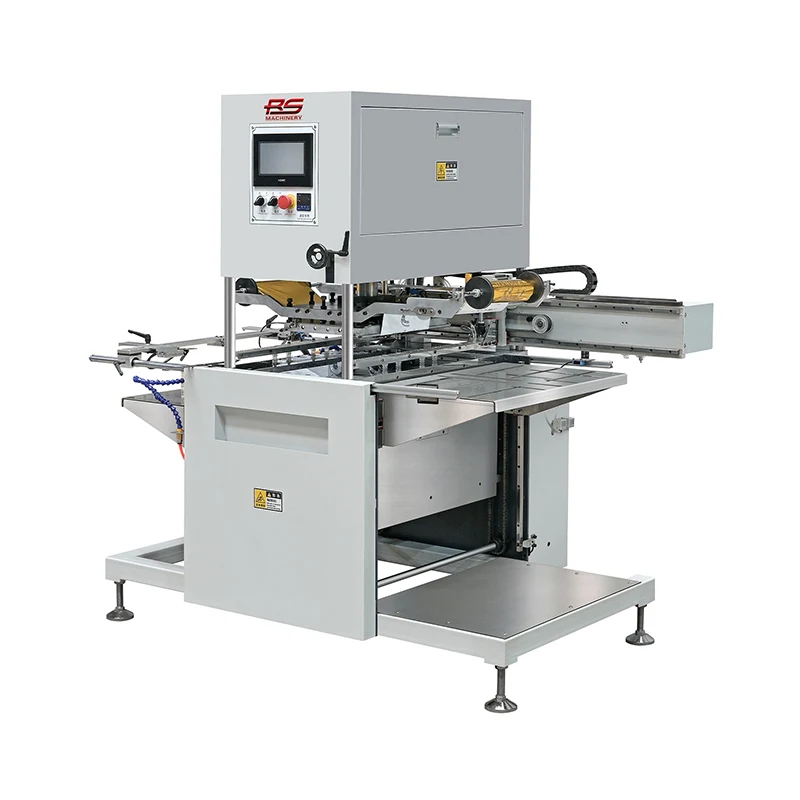
The economic automatic stamping machine shown here is a separate alternative. Compare it using the real job and supplied configuration. Do not infer a shared storage specification from similar foil rolls in equipment photographs. The warehouse procedure follows the foil grade; machine setup and trial acceptance follow the complete foil, die, substrate and equipment combination.
Protect rolls during storage and issue
Use a designated location that can meet the supplier’s documented conditions and support practical stock identification. Keep records near the stored material and review readings at a frequency appropriate to the site and product requirements. Consider local exposure near doors, windows and heat sources rather than relying only on one building-wide reading. Describe any excursion by its known duration and measured conditions, without guessing the roll’s internal state.
Keep the original protective packaging as instructed and prevent unapproved loads on the roll. Follow the supplier’s orientation, support and stacking instructions; there is no reason to invent a universal stacking height. Separate available stock, held material and scrap so that a rushed issue cannot mix them. Where several grades look similar, use readable labels that remain visible without opening every package.
Control movement from warehouse to press
A roll’s route matters as well as its storage location. Document when it leaves controlled storage, where it waits and when it is mounted. If it moves between markedly different environments, follow the foil supplier’s conditioning procedure and advice on packaging and condensation. Do not prescribe an arbitrary waiting period for all roll sizes or temperatures. The necessary procedure depends on the actual material and transfer conditions.
Handle the roll without contaminating the working surface or damaging its edges. Use lifting and handling arrangements appropriate to its weight and the machine instructions. Keep foil away from unapproved cleaning products and uncontrolled shop-floor storage. If the operator notices sticking, distorted edges or unusual unwinding, stop the material investigation at a safe point and preserve the batch identity rather than discarding the label during setup.
Use a storage and trial decision record
The following table is a proposed control plan. It deliberately avoids assigning generic pass temperatures, acclimatization hours or shelf-life extensions. Enter the actual grade’s requirements and the supplier’s disposition in the relevant record.
| Situation | Evidence to retain | Immediate control | Release question |
|---|---|---|---|
| New roll arrives with damaged packaging | Photos, batch label and delivery condition | Identify and hold affected material | Has the supplier accepted its condition for use? |
| Warehouse readings exceed grade guidance | Measured conditions and known duration | Separate the affected stock record | What inspection or trial does the supplier require? |
| Partial roll returns from the press | Job, remaining roll identity and exposure history | Repackage and label under the approved procedure | Does it remain within the qualified storage history? |
| Roll moves between different environments | Origin, destination and transfer time | Follow grade-specific conditioning advice | Has the required conditioning procedure been met? |
| Stamping result changes after roll replacement | Old and new roll identifiers and paired samples | Preserve samples and avoid simultaneous changes | Does the difference follow the roll or another process input? |
Use the record for decisions, not merely as a form completed after production. The person issuing material should know which status permits use. A roll on hold should remain traceable even if the production schedule changes. For partial stock, define how remaining quantity is estimated and how the original batch label is preserved after slitting or repacking.
Qualify uncertain material on the actual job
Agree the trial plan with the foil supplier and responsible production team. Use an identified substrate and the approved die and machine configuration. Compare questionable stock with a known accepted roll where a suitable reference exists. Keep relevant settings stable and document any authorized adjustment. A trial that changes foil, temperature, pressure, artwork and substrate together cannot isolate a storage-related issue.
Assess transfer coverage, edge definition, appearance and the job’s agreed adhesion or durability tests at the stated assessment age. Use representative fine details and solid areas rather than only the easiest artwork. The appropriate tests depend on the end use, coating and customer requirements; a generic tape check should not become a universal acceptance method. Keep stamped samples and the matching used carrier sections where useful for supplier review.
For setup variables, consult the hot foil stamping makeready checklist. The broader hot foil stamping defects guide helps organize process observations. The cold foil adhesion testing guide concerns a different transfer route and should not be used to substitute cold-foil material or process requirements for hot stamping.
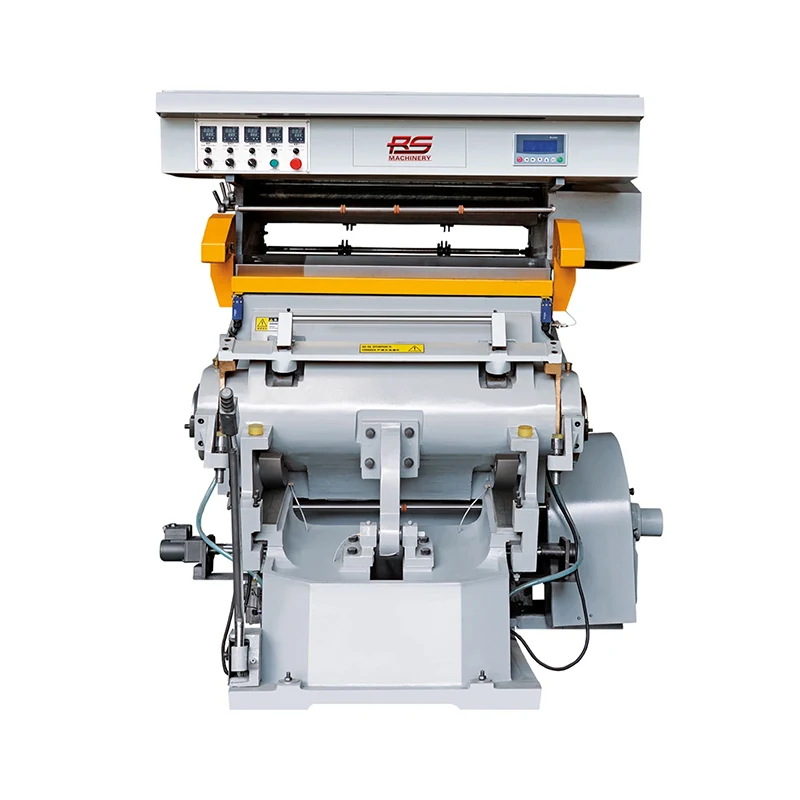
The TYMB hot foil stamping and die-cutting machine is another separate equipment example. Its appearance does not establish which foil grade should be used. Send representative substrates, artwork and the intended finishing sequence when comparing equipment, and request documented trial samples from the actual proposed machine configuration.
Make safe roll changes and preserve the result
Do not reach around moving foil feeds, defeat guards or treat a stopped control screen as proof that all hazards are isolated. Follow the machine instructions for hot surfaces, stored energy and roll replacement. HSE’s machinery maintenance guidance provides general safety context. The WorkSafeBC video below explains guards and lockout in manufacturing; local training and the equipment-specific procedure remain necessary.
WorkSafeBC: guards and lockout in manufacturing.
After approval, write the foil grade, storage conditions, issue procedure, partial-roll return rule and trial criteria into the job record. Review the arrangement when the grade, substrate coating, warehouse conditions or equipment route changes. This supports a practical purchasing conversation: identify the material, preserve its history and demonstrate the finished result before committing it to the full order.
Frequently asked questions
Can all hot stamping foils use the same storage range?
No. Use the current instructions for the exact grade and batch where applicable. Published guidance varies, and a storage maximum should not be treated as an ideal target for every product.
Does being within shelf life prove a roll is usable?
No. Shelf-life guidance depends on its stated conditions. Check identity, packaging, known storage history and the supplier’s requirements, then use the agreed representative trial when material condition is uncertain.
Should an old roll be rescued by raising stamping temperature?
Do not use temperature changes as a substitute for material assessment. Preserve samples, review the roll’s identity and history, and make only authorized setup changes under a controlled trial plan.